 Translate
Grand Anaicut (Kallanai Dam)
About Grand Anaicut (Kallanai Dam)
Kallanai (Grand Anicut): The 2,000-Year-Old Dam That Still Feeds Tamil Nadu
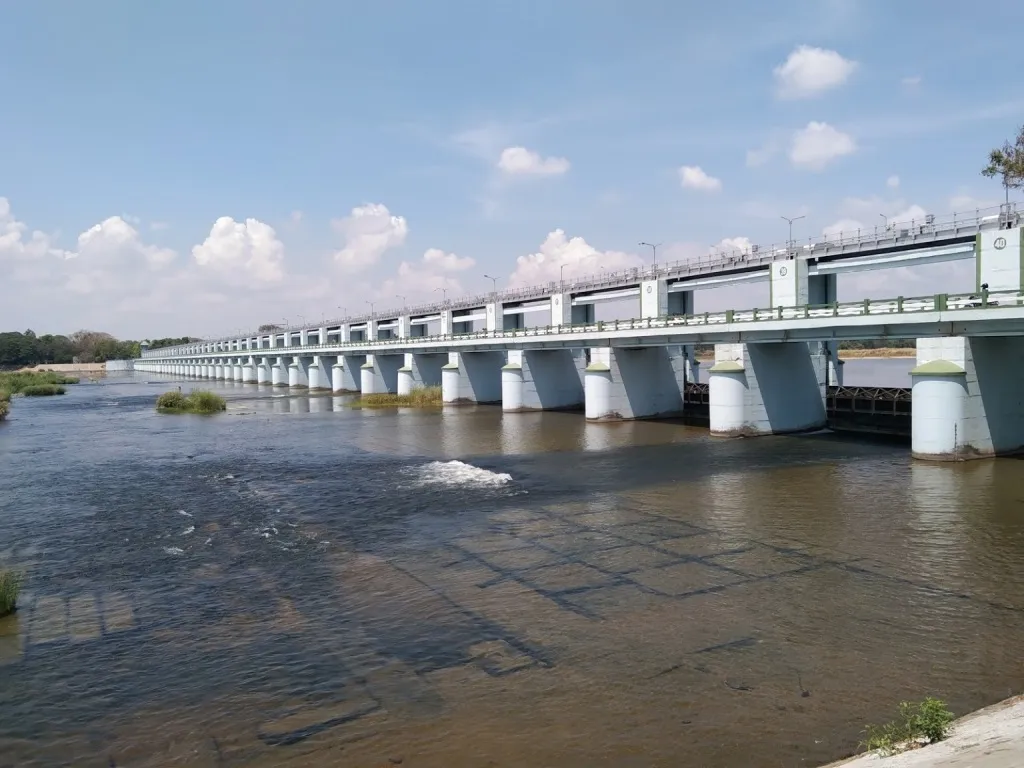
Twenty kilometers outside the temple city of Tiruchirappalli, the Kaveri River runs into a low wall of unhewn granite that has been quietly doing its job since before the Colosseum finished hosting gladiators. Kallanai, known to the wider world as the Grand Anicut, is not a tourist attraction in the usual sense — it is a working piece of infrastructure that happens to be roughly 1,900 years old and open to the public for free. For travelers from the US and across India, it offers something rare: a chance to stand on an engineering project from the 2nd century AD that is still, today, doing the exact job it was built to do.
This guide covers everything a first-time visitor needs — the history behind the stones, how to get there from Trichy, Chennai, or an international arrival point, what to actually do once you're standing on it, and a long list of frequently asked questions pulled from real traveler queries about timings, fees, safety, and nearby stops.
Quick Facts Before You Go
- Built by: Chola king Karikalan (Karikala Chola), around the 2nd century AD
- River: Kaveri (Cauvery), splitting into the Kaveri, Kollidam, Vennar, and Puthu Aru channels
- Length: Approximately 329 meters, built from unhewn, unmortared granite boulders
- Distance from Trichy: Around 15–20 km, roughly 30–40 minutes by road
- Entry fee: Free
- Best visiting window: 9:00 AM – 6:00 PM, though the riverside area itself has no gates or strict cutoff time
- Ideal duration: 2–3 hours
- Best months: November through February
The History: How a 2nd-Century King Out-Engineered the Centuries
Most ancient monuments survive because someone decided to stop using them and start preserving them instead. Kallanai is the opposite story. It survives because it never stopped working. Built under the Chola king Karikalan, the dam was constructed to solve a problem that still defines agriculture in this part of Tamil Nadu: the Kaveri River flooded violently during monsoon and ran dry the rest of the year, leaving the fertile delta around Thanjavur — long called the Rice Bowl of Tamil Nadu — at the mercy of an unpredictable river.
Karikalan's solution didn't rely on cement, iron, or mortar, none of which were practical at scale at the time. Instead, his engineers dropped massive, irregular, unhewn boulders directly into the riverbed. The current pushed sand and silt against and beneath the stones, and over time the dam settled into the riverbed itself rather than simply sitting on top of it. The structure didn't fight the river — it became part of the river. That single design decision is the reason Kallanai has outlasted nearly every contemporaneous structure on earth.
Why Engineers Still Study It Today
The dam splits the Kaveri into four channels — the Kaveri, Kollidam, Vennar, and Puthu Aru — directing a controlled, manageable flow of water into the irrigation canals that feed the delta, while letting excess floodwater escape through the steeper, faster Kollidam branch. Historical engineering analysis has shown that the original structure used a curved masonry layout and a deliberately sloped crest, a shape that let floodwaters pass over the top without battering the foundation loose. Rather than trying to block the river by brute force, the design worked with the river's natural sediment and current patterns — which is precisely why a stone structure with no mortar has survived nearly two millennia of monsoon seasons.
Kallanai is widely cited as the fourth-oldest water-diversion structure in the world, and the oldest one still in active use anywhere in India. The British, during their administration of the region in the 19th century, studied and reinforced the dam rather than replace it — adding regulators and strengthening certain sections to expand its irrigation capacity. Engineer Sir Arthur Cotton later built the Lower Anicut on the Kollidam branch nearby, a structure widely understood to have been directly inspired by Kallanai's original design.
A Living Monument, Not a Museum Piece
What makes Kallanai genuinely unusual among ancient sites is that its function has never paused. The same channels first cut by Karikalan's engineers still irrigate vast stretches of farmland in the Thanjavur delta today. There is no before and after plaque explaining what it used to do — it is still doing it, right now, as you read this. Farmers downstream depend on the same water management system tourists come to photograph.
Getting to Kallanai
From the United States
There are no nonstop flights from the US to Tiruchirappalli, so the most practical route for American travelers is to fly into a major Indian hub — typically Chennai (MAA) or Bengaluru — and connect onward. From there:
- Fly into Tiruchirappalli International Airport (TRZ): IndiGo and Air India Express run frequent domestic connections from Chennai, Bengaluru, Hyderabad, Mumbai, and Delhi, plus some international routes from Singapore, Colombo, Kuala Lumpur, and the Gulf.
- Fly into Chennai and take the train or drive: Chennai is well connected internationally and Trichy is roughly a 4.5–5 hour drive or a comfortable overnight/day train ride away.
Plan to book international legs 2–3 months ahead for the best fares, and budget extra buffer time for connections, since TRZ is a smaller regional airport with a limited schedule compared to Chennai or Bengaluru.
From Within India
- By Air: Tiruchirappalli International Airport (TRZ) is roughly 20–26 km from the dam.
- By Train: Tiruchirappalli Junction is the main railway station, about 20 km away, with frequent connections to Chennai, Bengaluru, Madurai, Coimbatore, and other major South Indian cities.
- By Road: Kallanai sits just off the route connecting Trichy and Thanjavur via NH45 / the Trichy–Thanjavur road. State-run and private buses run regularly from Trichy's central bus stand, and the drive from the city center takes around 30–40 minutes.
Local Transport Options
- Taxi or app cab: The easiest option for visitors unfamiliar with the area — roughly a 30–40 minute ride one-way from central Trichy.
- Local bus: Frequent buses run between Trichy and Thanjavur that pass close to or through the Kallanai route; ask locally for the right stop.
- Auto-rickshaw: Workable for shorter hops, especially if you're combining the dam with other nearby stops like Srirangam.
- Self-drive or rented car with driver: Gives you the flexibility to combine Kallanai with Srirangam, Thanjavur, or Rockfort Temple in a single day.
What to Actually Do When You're There
1. Walk the Dam Itself
The main draw is simply walking along the structure and taking in the scale of it — nearly a third of a kilometer of stacked granite holding back and redirecting an entire river system. Footing can be uneven in places since the boulders are unhewn, so comfortable closed shoes are a good idea rather than sandals.
2. Visit Karikalan Chola Memorial Park
The landscaped park adjacent to the dam is a popular stop for families and is set up for a relaxed picnic or rest break after walking the dam. It's shaded, generally less crowded than the dam itself, and a good spot to regroup before heading to the next stop on your itinerary.
3. Stop by the On-Site Museum
A small museum near the site walks through the ancient construction techniques used to build the dam — useful context if you want to understand exactly what you're looking at rather than just admiring it from a distance.
4. Wade or Walk Along the River's Edge
In several sections, the riverbank is accessible enough for visitors to walk in or stand at the water's edge — locals often do, particularly in cooler months when the flow is gentler. Treat this with the same caution you'd use at any river: water levels and currents change with the season and with upstream releases, so check conditions before going further than ankle- or knee-deep, and avoid this entirely during or right after monsoon season when flow is unpredictable.
5. Photograph the Sunset
The eastern side of the dam is consistently named by visitors as the best photography spot, especially in the hour before sunset when the light flattens out across the water. This is also, by most traveler accounts, simply the most pleasant time of day to visit, once the midday heat has eased.
6. Try the Local Food Stalls
Small stalls near the site sell basic snacks, tea, and in some cases fresh fish fry, given the proximity to the river. Don't expect a wide menu — if you want a fuller meal, plan to eat in Trichy or Thanjavur before or after your visit.
Practical Visitor Information
Timings and Entry
- Hours: Generally 9:00 AM to 6:00 PM, though the dam and riverside area are open public space without a fenced gate, so there's no strict cutoff enforced — most visitors simply plan around daylight.
- Entry fee: Free. There is no ticket counter and no advance booking required.
- Parking: Designated parking areas are available near the site for cars, taxis, and two-wheelers.
Best Time of Year to Visit
November through February is consistently recommended, for a simple reason: Tamil Nadu's summer heat (March through June) can make a 2–3 hour outdoor visit genuinely uncomfortable, especially around midday. Post-monsoon winter months bring cooler temperatures, more stable water levels, and clearer light for photography. If your trip lines up with Pongal (mid-January), Tamil Nadu's harvest festival, you'll also catch a livelier, more festive atmosphere in the surrounding villages.
Best Time of Day
Early morning and the hour before sunset both beat midday by a wide margin — not just for photography, but for comfort. Midday sun on an open stone structure with no shade gets hot fast, even in winter.
What to Pack
- Comfortable closed-toe shoes with grip — the boulder surface is uneven and can be slippery near the water
- Sun protection: hat, sunglasses, sunscreen
- Plenty of drinking water, especially outside the winter months
- A change of footwear/clothing if you plan to wade at the river's edge
- Cash for small local vendors (card acceptance is unreliable this far from the city center)
Accessibility
The terrain is mostly flat but uneven in places, particularly directly on the dam's stone surface. Visitors with mobility limitations can comfortably enjoy the park and viewpoints near the entrance, but walking the full length of the dam itself involves navigating natural stone, not paved pathways.
Building a Full-Day Itinerary Around Kallanai
Because Kallanai only needs 2–3 hours, most visitors pair it with other sites in the Trichy–Thanjavur–Srirangam corridor rather than treating it as a standalone trip.
Option 1: Trichy Heritage Day
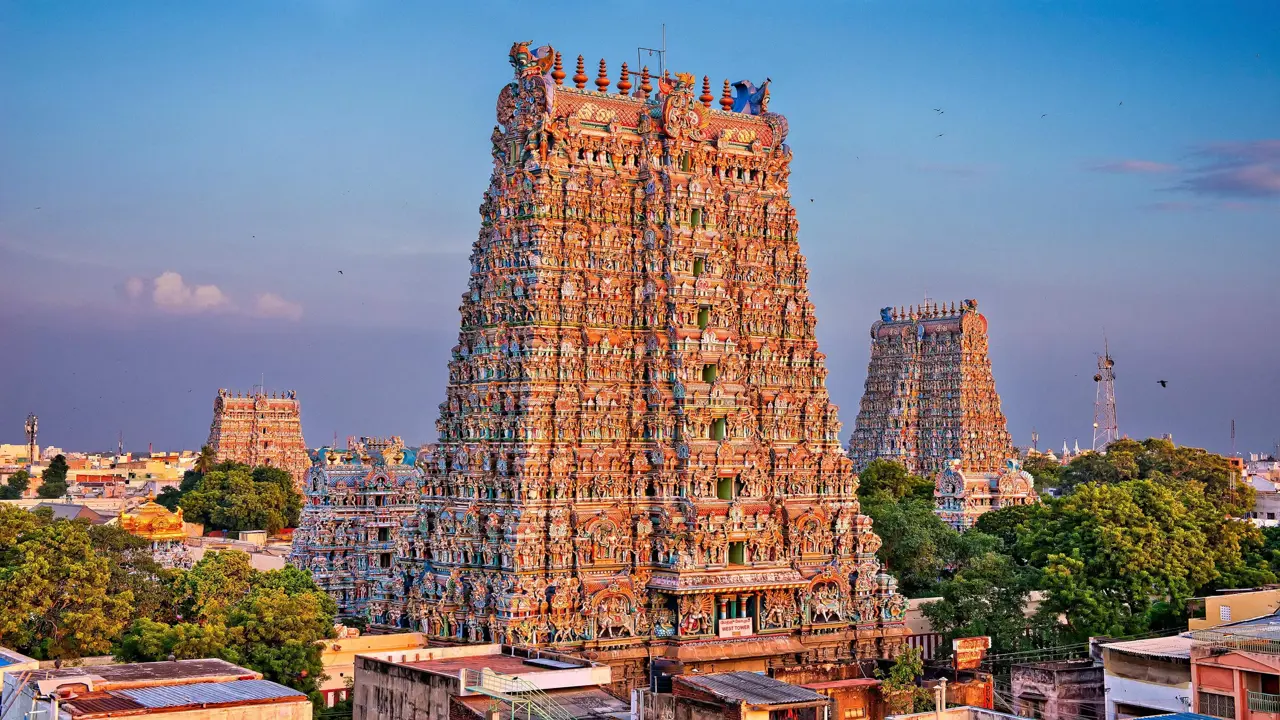
- Morning: Rockfort Temple (Trichy's iconic hilltop Ganesha temple)
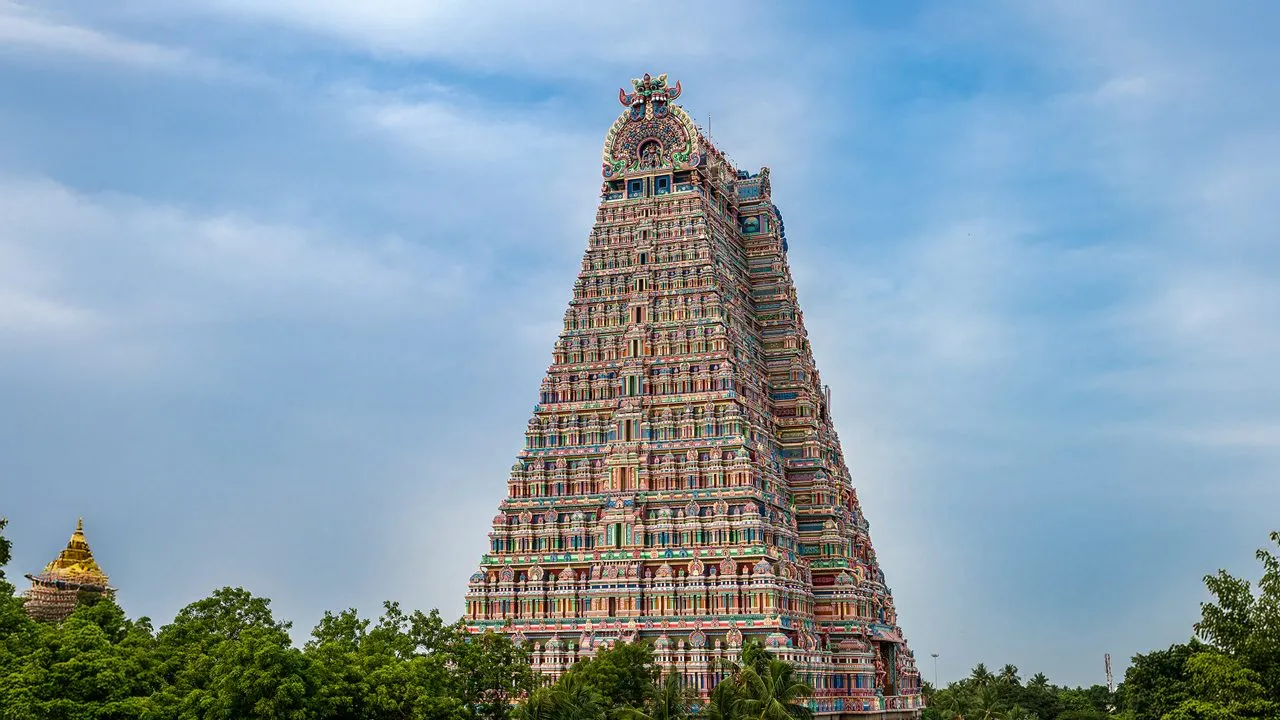
- Midday: Sri Ranganathaswamy Temple, Srirangam
- Afternoon/evening: Kallanai, timed for sunset on the eastern side
Option 2: Chola Architecture Trail
- Kallanai (morning)
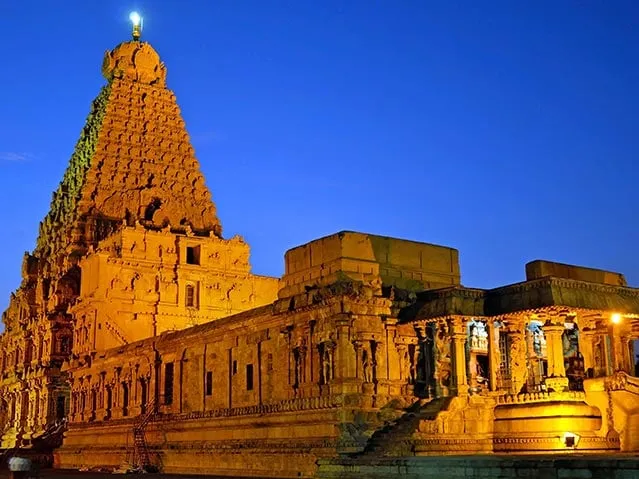
- Brihadeeswarar Temple, Thanjavur — a UNESCO World Heritage Chola-era temple roughly 45 km away
- Saraswathi Mahal Library, Thanjavur, for those interested in manuscripts and Chola-era scholarship
Option 3: Quick Highway Stop
If you're driving between Trichy and Thanjavur or Kumbakonam on NH45 regardless, Kallanai sits close enough to the route that a 45–60 minute stop is easy to fit in without reshaping your whole itinerary.
Safety, Etiquette, and Responsible Visiting
- River conditions: Water levels can rise without warning if upstream gates release flow. Don't venture beyond shallow, calm areas, and avoid the riverbank entirely during or immediately after heavy rain.
- Footing: The boulders are uneven and can be slick near the waterline — watch your step, especially with children.
- Sun exposure: There's minimal shade directly on the dam. Pace your visit and hydrate, even in winter.
- Respect the working infrastructure: This is an active irrigation structure, not a static ruin — avoid climbing on regulator equipment or restricted sections.
- Leave no trace: There's limited waste infrastructure on-site; carry out what you bring in.
Frequently Asked Questions
Is there an entry fee for Kallanai (Grand Anicut)?
No. Entry is free and there's no ticket counter or advance booking required — it's open public access space.
What are the visiting hours?
Most listings cite 9:00 AM to 6:00 PM, though as an open riverside site without gates, there's no strictly enforced opening or closing time. Most travelers simply plan their visit around daylight hours and aim for the cooler morning or evening window.
How far is Kallanai from Trichy city center?
About 15–20 km, roughly a 30–40 minute drive depending on traffic and your exact starting point in the city.
How do I get to Kallanai without a car?
Local buses run between Trichy and Thanjavur along a route that passes near the site, and taxis or app-based cabs are widely available in Trichy for a direct round trip. Ask your driver or hotel to confirm the most current drop-off point, since the site has a couple of access roads.
Who built Kallanai, and when?
It was built by the Chola king Karikalan (Karikala Chola), generally dated to around the 2nd century AD, making it roughly 1,800–1,900 years old.
Why is it called the >Grand Anicut?
>Anicut is a term used in South Asia for a low diversion dam or weir built across a river to direct water into irrigation channels rather than to store it behind a tall wall. >Grand reflects both its scale and its historical importance as the original, largest such structure on the Kaveri.
Is Kallanai still in use today?
Yes — this is what makes it unusual among ancient monuments. It still actively diverts the Kaveri River into the channels that irrigate the Thanjavur delta region, the same basic function it has performed for nearly two thousand years.
How long should I plan to spend there?
Most visitors comfortably see the dam, the park, and the small museum in 2–3 hours. Add extra time if you want a relaxed picnic or plan to linger for sunset photography.
What is the best time of year to visit?
November through February, when temperatures are cooler and water levels are typically more stable after the monsoon. Visiting in the peak summer months (March–June) is possible but considerably hotter and less comfortable for an outdoor walking visit.
What is the best time of day to visit?
Early morning or the hour or so before sunset. The eastern side of the dam is particularly well regarded for evening light and photography.
Can I swim or wade in the river at Kallanai?
Some sections allow visitors to walk in or wade at the river's edge in calmer, shallower areas, and locals do this regularly, especially in cooler months. That said, treat any river with respect — avoid this during or after heavy rain, don't go beyond shallow water you can stand in comfortably, and supervise children closely.
Is Kallanai a good destination for families with children?
Yes. The combination of open park space, a gentle riverside, a short museum visit, and food stalls makes it a popular local picnic spot for families, not just a history-focused stop for serious sightseers.
Is the site wheelchair- or mobility-friendly?
The park and approach areas are relatively flat and manageable, but walking onto the dam structure itself means navigating natural, uneven stone rather than a paved surface, so it's not fully accessible for visitors with significant mobility limitations.
Are there restaurants or places to eat nearby?
There are small local stalls near the site selling tea, snacks, and sometimes fresh fish fry, but options are limited. For a fuller meal, plan to eat in Trichy or Thanjavur before or after your visit.
Can I visit Kallanai as a day trip from Madurai?
It's possible but long — roughly 150 km one way from Madurai. It's a far more convenient and natural day trip from Trichy or Thanjavur, both of which are much closer.
How far is Kallanai from Thanjavur?
Approximately 45 km, with buses and taxis readily available for the route.
What should I combine with a Kallanai visit?
The Sri Ranganathaswamy Temple and Rockfort Temple in Trichy, and the Brihadeeswarar Temple (a UNESCO World Heritage Chola monument) in Thanjavur, are the most commonly paired stops, since all sit within a reasonable driving radius and share the same Chola-era historical thread.
Do I need to book tickets or a guide in advance?
No advance booking is needed for entry since there's no fee. A local guide isn't required either, though hiring one in Trichy can add useful historical context if you want a deeper dive than a self-guided visit provides.
Is Kallanai safe for solo travelers, including women traveling alone?
It's a popular, well-trafficked public site, especially on weekends and around sunset, with regular local visitor traffic. As with any outdoor public site in India, standard precautions apply: visit during daylight hours, let someone know your plans, and avoid isolated stretches of riverbank alone after dark, since lighting on-site is minimal once the sun sets.
What's the nearest airport for international travelers?
Tiruchirappalli International Airport (TRZ), about 20–26 km from the dam. It has domestic connections to major Indian cities and limited international routes; travelers coming directly from the US typically connect through Chennai or another major Indian hub first, since there are no nonstop flights from the US to Trichy.
Is photography allowed at Kallanai?
Yes, photography is welcomed and the site is popular with both casual visitors and dedicated photographers, particularly for sunset shots from the eastern bank.
The Takeaway
Kallanai doesn't need elaborate staging or a polished visitor center to make its case. The fact that a structure built without mortar, using only the weight and arrangement of stone against a riverbed, has been quietly redirecting one of South India's major rivers for roughly nineteen centuries is the entire pitch. Pair it with Trichy's temples or Thanjavur's Chola architecture, time your visit for the cooler months and a late-afternoon light, and budget half a day rather than a rushed hour — it rewards a slow look far more than a quick photo stop.
Photo Gallery
What you'll experience
- 1
Historical engineering
- 2
River views
- 3
Heritage site visit
- 4
Educational importance
- 5
Photography
Nearby Destinations
These destinations are in close proximity to Grand Anaicut (Kallanai Dam) and can be visited on the same trip.
Visit Information
Opening Hours
Entry Fee
Best Time to Visit
November to February
Location
Tiruchirappalli, Tamil Nadu
Contact
For inquiries: +91-431-2331300
Share this destination:
