 Translate
Nagore Dargah
About Nagore Dargah
Introduction: Nagore's Beacon of Interfaith Harmony
Situated in Nagore (Nagapattinam district), approximately 145 kilometers (a 3-hour drive) east of Tiruchirappalli (Trichy), Tamil Nadu, Nagore Dargah (officially Syed Shahul Labbai Dargah) is one of South India's most celebrated, ancient, and sacred Islamic pilgrimage shrines. Constructed over the tomb of the 16th-century Sufi saint Hazrat Shahul Hamid Qadir Wali (revered lovingly by devotees as Nagore Andavar), the 5-acre complex stands out as a powerful symbol of interfaith unity, drawing millions of Muslim, Hindu, and Christian pilgrims from across the globe.
Known for its striking white minarets, healing water tank, and centuries of royal patronage from both Islamic rulers and Hindu Maratha kings of Thanjavur, the shrine remains a vibrant center of faith, spiritual solace, and communal brotherhood.
Key Highlights & Architectural Marvels
Nagore Dargah features five historic minarets, sacred healing tanks, and rich Sufi traditions:
1. The Five Soaring Minarets
The complex is framed by five grand white minarets of varying heights, built across different eras by royal patrons. The tallest and most famous is the **Periya Minara** (131 feet high), constructed in 1760 by the Hindu Maratha ruler **Pratapasimha of Thanjavur** out of gratitude after the saint's divine grace cured his chronic illness.
2. The Sacred Tomb (Roza)
The core mausoleum houses the tomb of Hazrat Shahul Hamid along with the tombs of his son Yusuf Sahib and daughter-in-law Saeeda Sultana. Devotees offer fragrant sandalwood paste, flower garlands, and silk *Chadar* cloths at the golden-embellished shrine, praying for health, prosperity, and peace.
3. Shifa Gunta (Sacred Healing Tank)
Located within the dargah enclosure is **Shifa Gunta**, a large holy water tank. Pilgrims perform ablutions, take sacred dips, or sprinkle its water over themselves, believing in its miraculous curative properties for physical and mental ailments.
4. The Grand Kandoori Festival (Urs)
The annual 14-day **Kandoori Festival** marks the saint's death anniversary (*Urs*). The festival features the hoisting of sacred flags brought from Singapore and Chennai, grand chariot processions, and the ceremonial distribution of sanctified sandalwood paste (*Santhana Koodu*).
Key Highlights & Attraction Summary
- Interfaith Sufi Sanctuary: Revered site uniting Muslim, Hindu, and Christian devotees.
- 131-Foot Periya Minara: Tallest minaret built by Maratha King Pratapasimha of Thanjavur.
- Shifa Gunta Healing Tank: Holy water tank believed to possess spiritual healing powers.
- Annual Kandoori Festival: Celebrated with flag hoistings and sandalwood chariot processions.
How to Reach Nagore Dargah from Trichy
Located on the eastern coast in Nagore, easily accessible via road and rail from Trichy.
By Road (Car, Bus, or Taxi)
Driving from Trichy city center via the Trichy–Thanjavur–Tiruvarur–Nagapattinam Highway (NH 83) takes roughly 3 to 3.5 hours (approx. 145 km). Frequent express state transport (SETC) and private buses operate continuously from **Trichy Central Bus Stand** to Nagapattinam and Nagore.
By Passenger Train
Direct express and passenger trains run regularly between **Tiruchirappalli Junction** and **Nagore Railway Station** (approx. 3 hours). The dargah complex is located just 1 km from Nagore Railway Station.
Best Time to Visit
Operating hours, prayer schedules, and festival cycles govern optimal planning.
Opening Hours
The dargah is open daily from **04:30 AM to 07:00 PM** and **08:30 PM to 10:00 PM** (open continuously during the annual Kandoori festival).
Optimal Visiting Strategy
Visiting during early morning hours (**06:00 AM to 08:30 AM**) or late afternoon (**04:30 PM to 06:30 PM**) provides a serene atmosphere for quiet prayer, observing the architecture, and avoiding midday crowds.
Things to Do at Nagore Dargah
- Offer Prayers at the Sanctum: Present flower garlands and sandal paste at the mausoleum of Hazrat Shahul Hamid.
- Visit Shifa Gunta: Experience the peaceful surroundings of the sacred healing water tank.
- Photograph the Grand Minarets: Admire the blending of Islamic, Maratha, and Dravidian architectural elements.
- Explore Nearby Coastal Attractions: Combine your visit with **Velankanni Church** (15 km away) and **Nagapattinam Beach**.
Essential Rules and Visitor Guidelines
- Modest Dress Code: Visitors must dress modestly, covering shoulders and knees. Head coverings (caps or scarves) are recommended inside the inner shrine.
- Footwear Counter: Shoes and sandals must be removed and deposited at designated counters outside the entrance gates.
- Maintain Sanctity: Maintain silence and respect inside the prayer halls during ongoing devotional recitations.
Frequently Asked Questions (FAQs)
1. Where is Nagore Dargah located?
It is located in Nagore town, Nagapattinam district, Tamil Nadu, about 145 km east of Tiruchirappalli (Trichy).
2. Who built the tallest minaret of Nagore Dargah?
The 131-foot **Periya Minara** was built by the Hindu Maratha ruler **King Pratapasimha of Thanjavur** in 1760.
3. Can non-Muslims visit Nagore Dargah?
Yes, people of all faiths and religions are welcomed and regularly visit the shrine.
4. What is the Shifa Gunta?
It is a sacred water tank inside the complex believed to have medicinal and spiritual healing properties.
5. What is the main festival celebrated here?
The 14-day **Kandoori Festival (Urs)**, celebrating the anniversary of Saint Hazrat Shahul Hamid.
Conclusion
Nagore Dargah stands out as South India's ultimate sanctuary of spiritual healing and interfaith unity, where 16th-century Sufi heritage, Maratha-built minarets, Shifa Gunta healing waters, and vibrant Kandoori festivals converge near Nagapattinam. From paying respects at the sacred tomb to exploring the five minarets, Nagore Dargah delivers an unmissable pilgrimage journey. Dress modestly, visit during peaceful morning hours, and explore Nagore Dargah!
Photo Gallery
What you'll experience
- 1
Spiritual solace
- 2
Architectural beauty
- 3
Cultural festivals
- 4
Interfaith harmony
- 5
Historical significance
Related Destinations
Brihadeeswarar Temple
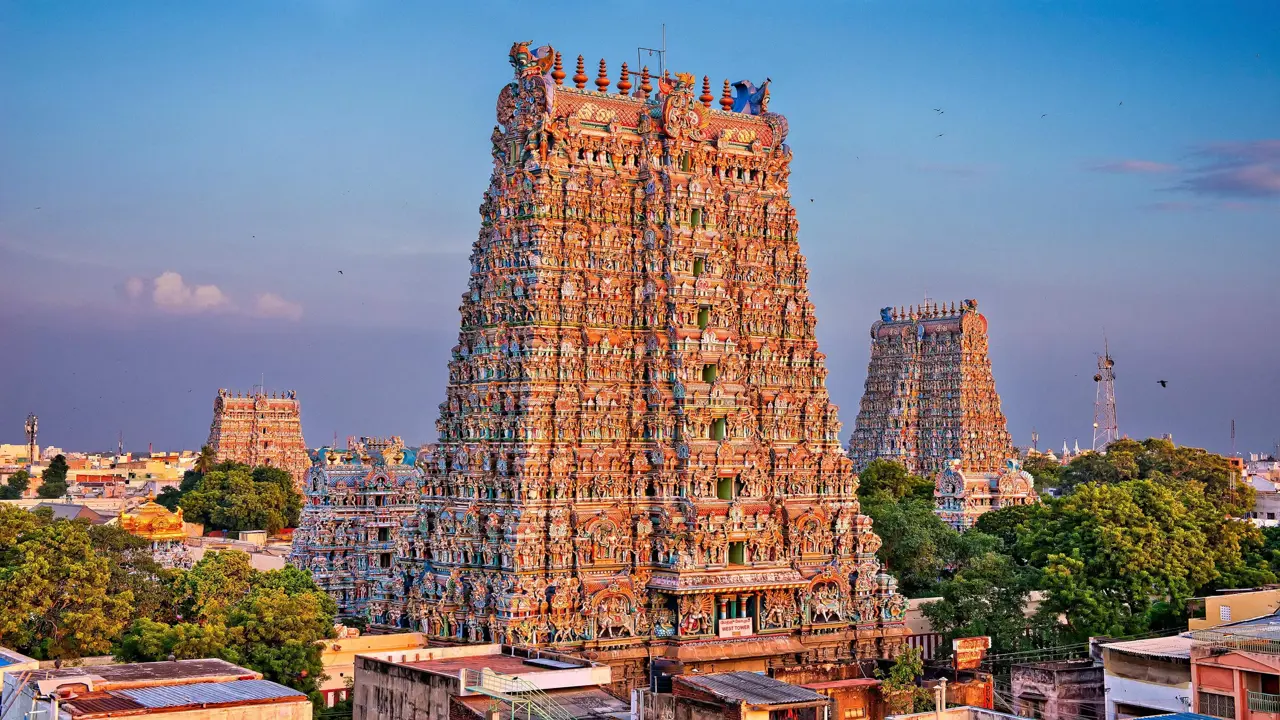
Meenakshi Amman Temple
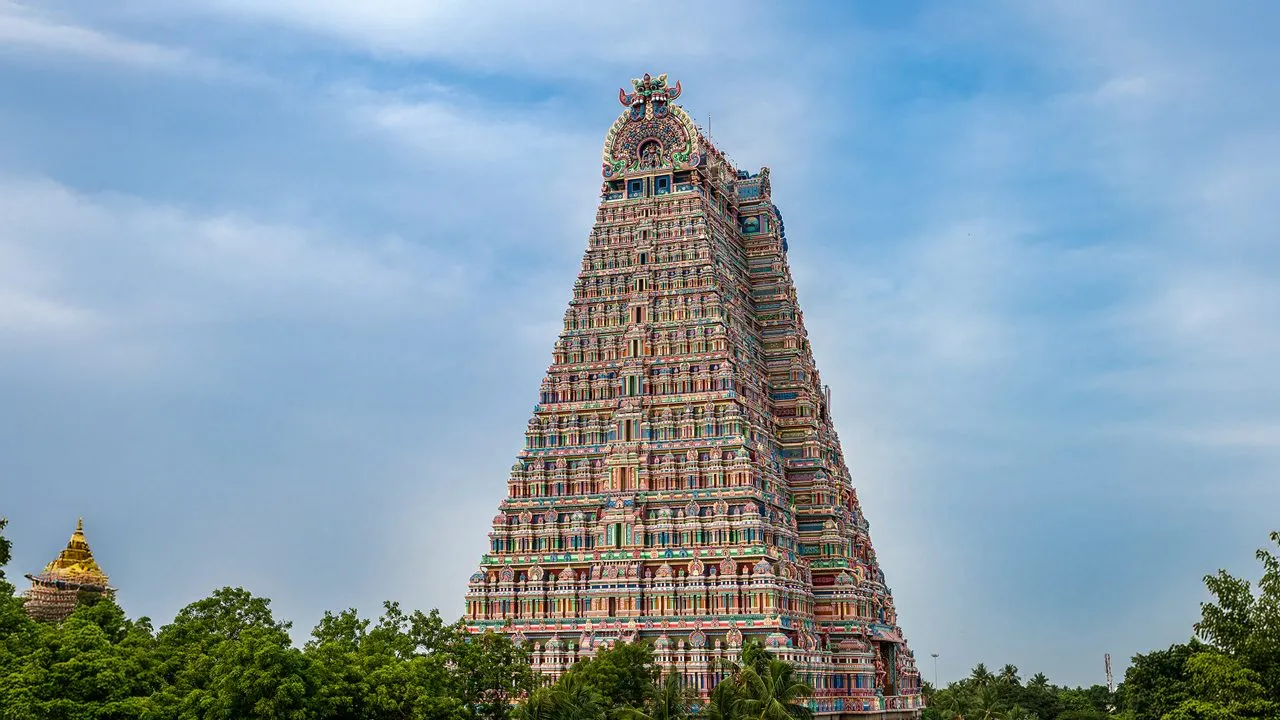
Sri Ranganatha Swamy Temple
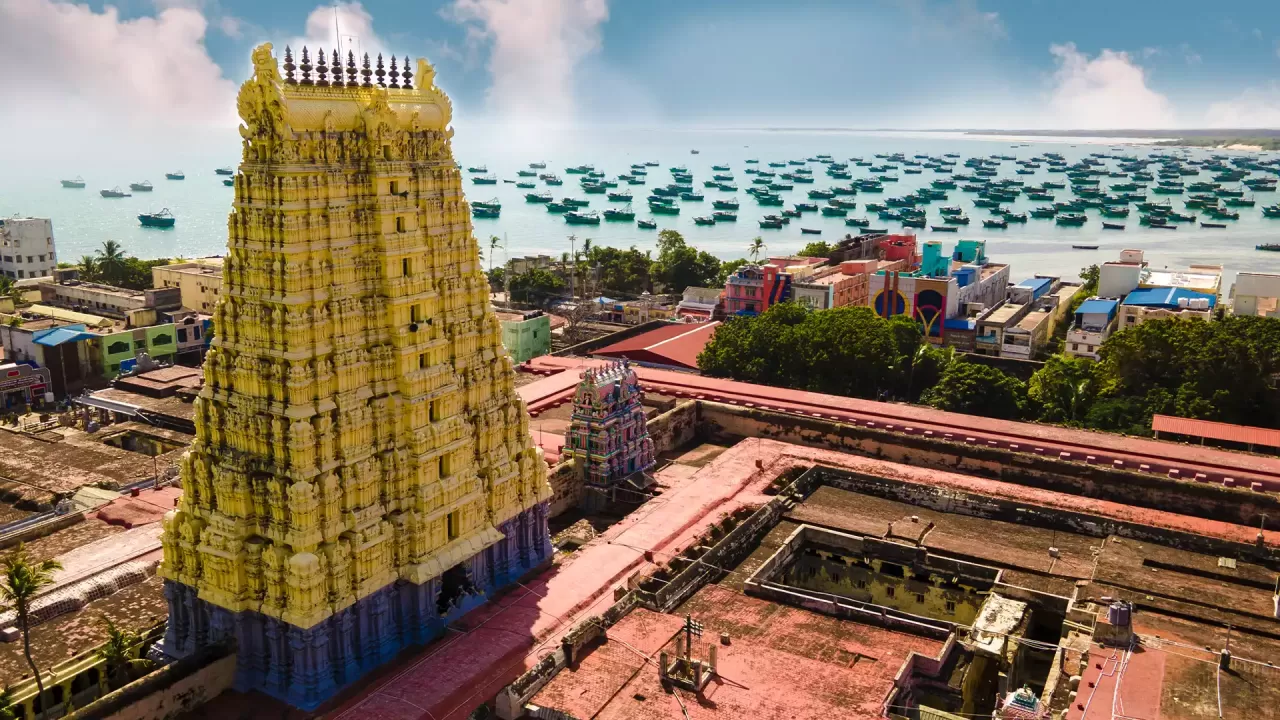
Sri Arulmigu Ramanathaswamy Temple
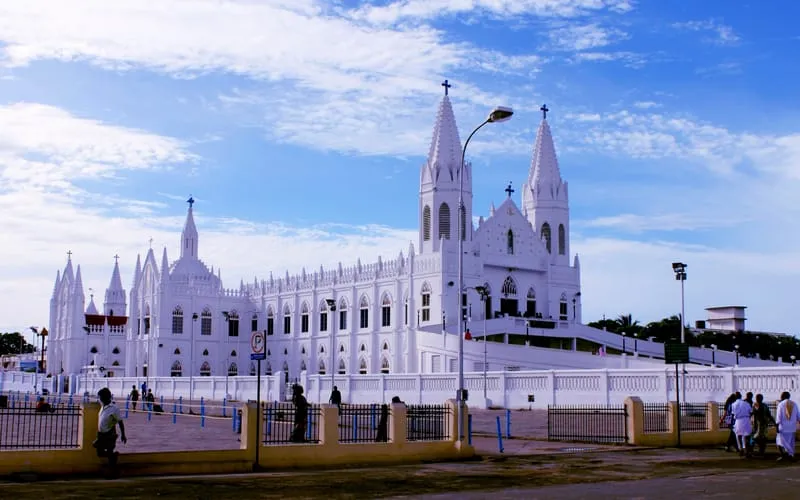
Velankanni Church
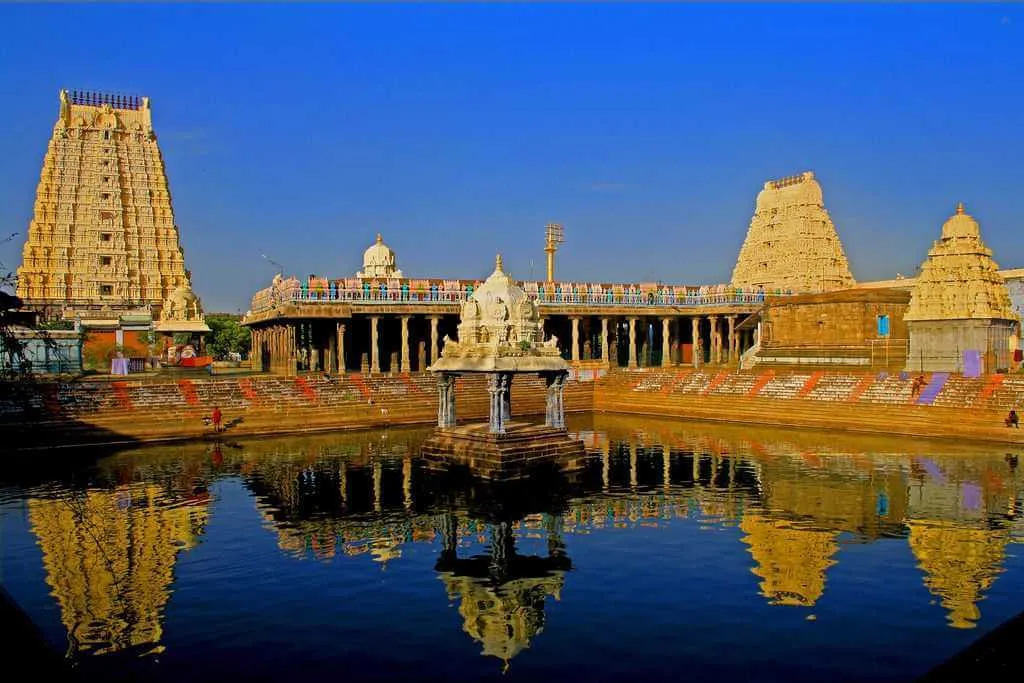
Ekambaranatha Temple
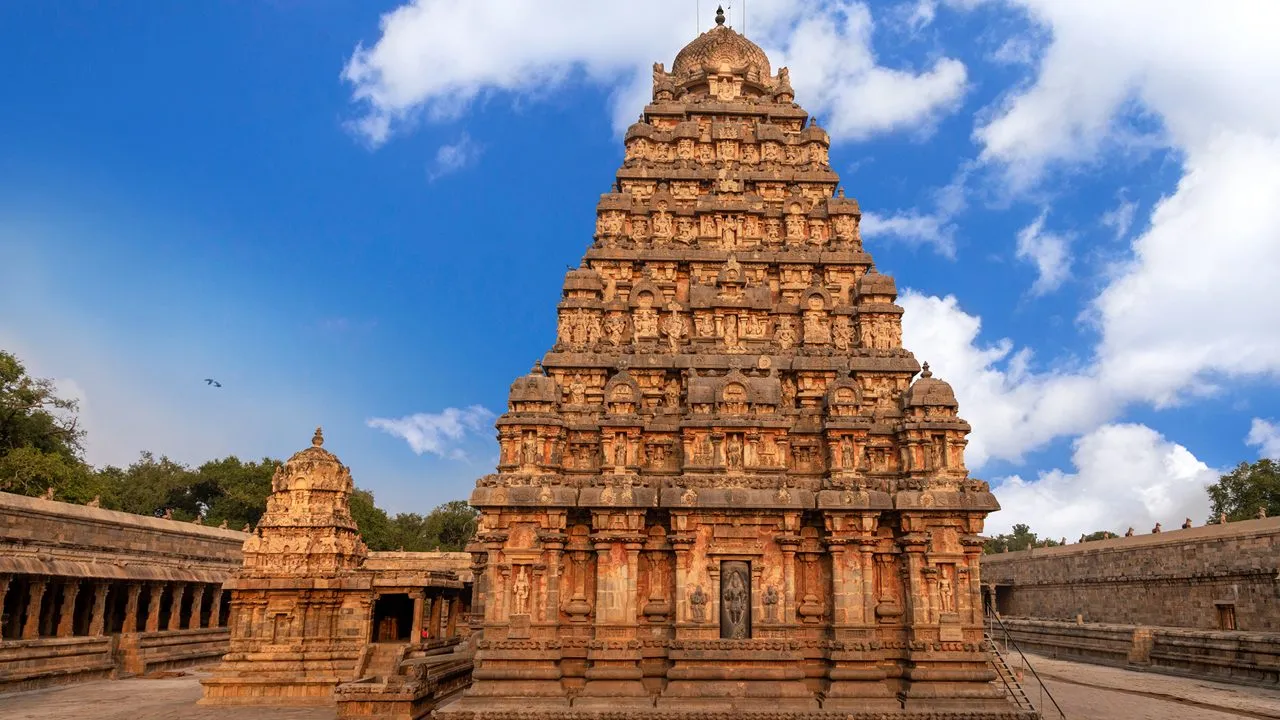
Sri Airavatesvara Temple
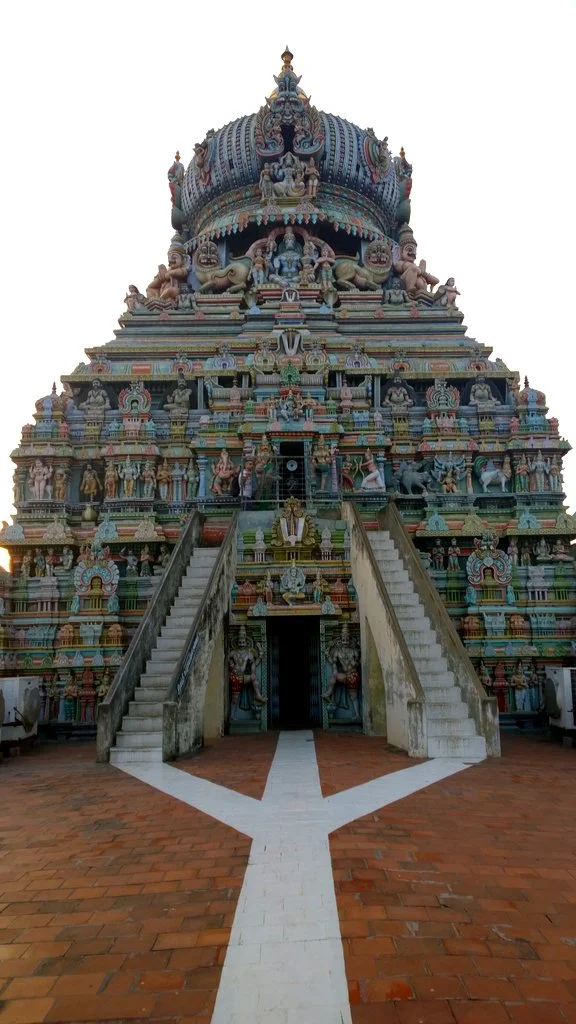
Arulmigu Koodal Azhagar Temple
Visit Information
Opening Hours
Entry Fee
Best Time to Visit
November to February
Location
Nagore, Tamil Nadu
Contact
For inquiries: NA
Share this destination:
