
Kodiakkarai Beach
About Kodiakkarai Beach
Kodiakkarai Beach: The Wild and Serene Edge of the Palk Strait
Located at the southeastern tip of the Nagapattinam district, where the Bay of Bengal makes a sharp, nearly right-angled turn to meet the Palk Strait, lies Kodiakkarai Beach. Also known globally as Point Calimere, this is not a typical sun-and-sand destination. It is a rugged, biologically diverse headland where the ocean meets a unique ecosystem of dry evergreen forests, salt marshes, and mangroves. For the traveler who seeks the 'path less traveled,' Kodiakkarai offers a profound sense of isolation and raw natural beauty. Here, the salty sea breeze carries the scents of a tropical jungle, and the horizon is often dotted with the silhouettes of thousands of migratory birds rather than tourist crowds.
Kodiakkarai is the apex of the Cauvery River delta and has served as a vital maritime landmark for over a thousand years. Historically, it was a strategic point for the Chola emperors, and mythologically, it is tied to the Ramayana. Today, it is a protected sanctuary that serves as one of the last remaining remnants of the East Deccan dry evergreen forests. Whether you are a wildlife enthusiast eager to spot the elusive blackbuck, a birdwatcher chasing the flamingos of the Great Vedaranyam Swamp, or a history lover exploring ancient lighthouses, Kodiakkarai Beach provides a visceral, off-the-grid coastal experience that feels like a journey back in time.
Point Calimere Wildlife and Bird Sanctuary: A Biodiversity Hotspot
The beach is inseparable from the Point Calimere Wildlife and Bird Sanctuary, a Ramsar site of international importance. Spanning over 377 square kilometers, this sanctuary is a haven for several endangered species. As you drive through the forest roads leading to the beach, you are likely to encounter the Indian Blackbuck, the flagship species of the park, known for the male's striking spiraled horns. The sanctuary is also home to spotted deer, wild boars, jackals, and even semi-wild ponies—descendants of animals brought here during the colonial era.
The Avian Spectacle
Kodiakkarai is a world-class destination for birdwatching. Every winter, the Great Vedaranyam Swamp is transformed into a vibrant carpet of pink as thousands of Greater Flamingos arrive from as far away as Siberia and Iran. Alongside them, you can spot pelicans, spoonbills, ibises, and painted storks. The sanctuary features several observation towers that provide panoramic views of the wetlands, allowing you to witness this incredible avian congregation in their natural, undisturbed habitat.
Historical Landmarks: Three Generations of Lighthouses
Kodiakkarai’s identity as a maritime sentinel is reflected in its collection of lighthouses, each representing a different era of Tamil history.
- The Chola Lighthouse: Located in the intertidal zone, the remains of this brick-and-mortar tower are said to have been built by the Chola kings over a thousand years ago. Though badly damaged by the 2004 Tsunami, its ruins still stand as a testament to ancient Tamil maritime prowess.
- The British Lighthouse: A weathered, historic structure built by the British to navigate the treacherous Palk Strait. It sits near the modern tower and offers a classic colonial aesthetic for photographers.
- The Modern Lighthouse: Commissioned in 1998, this 45-meter-tall modern tower marks the sharp turn in the Indian coastline. Visitors can often climb to the top for a breathtaking, bird’s-eye view of the entire sanctuary, the beach, and on exceptionally clear days, the distant silhouette of the Sri Lankan coast.
Ramar Padam: The Highest Point of Mythology
Situated at the highest point of the sanctuary is Ramar Padam (Rama’s Footprint). This is a small shrine containing a stone slab with the footprints of Lord Rama. According to legend, Rama stood here to scout the sea before building the bridge to Lanka. The elevation offers a commanding view of the surrounding forests and the sea. It is a site of great spiritual significance, drawing large numbers of devotees during the Ram Navami festival in April. Even for non-religious visitors, the panoramic vista from this 'mountain' in the middle of the plains is well worth the climb.
How to Reach Kodiakkarai Beach
Kodiakkarai is relatively isolated, which is part of its charm, but it is well-connected to the nearby town of Vedaranyam.
- By Road: The nearest town is Vedaranyam (12 km away). You can reach Vedaranyam via Nagapattinam (60 km) or Thanjavur (110 km). While local buses are available, it is highly recommended to hire a private taxi or drive your own car, as most areas inside the sanctuary require a vehicle for exploration.
- By Train: The nearest major railway station is Nagapattinam. From there, you can take a bus or cab to Vedaranyam and then proceed to the sanctuary.
- By Air: Tiruchirappalli International Airport (TRZ) is the closest airport, located approximately 150 km away.
The Best Time to Visit
The absolute best time to visit Kodiakkarai is between November and February. This is the peak season for migratory birds, and the weather is pleasantly cool, allowing for comfortable nature walks and safaris. If you are a birdwatcher, arriving in December or January is ideal to see the maximum concentration of flamingos. To spot wildlife like blackbuck and deer, the early morning hours (6:00 AM to 8:00 AM) or late afternoons (after 3:30 PM) are the most productive. The sanctuary is typically open from 6:00 AM to 5:00 PM daily.
Frequently Asked Questions (FAQs)
Is swimming allowed at Kodiakkarai Beach?
Swimming is generally not recommended at Kodiakkarai Beach. The water is often shallow and muddy due to the nearby swamps, and the presence of wildlife, including occasionally dolphins and turtles near the shore, makes it a protected zone. Most visitors come for the views and the wildlife rather than for swimming.
Are there safari facilities inside the sanctuary?
Yes, the Forest Department often organizes jeep safaris. Alternatively, you can take your own four-wheeler inside the sanctuary by paying a vehicle entry fee at the reception. Note that two-wheelers are often restricted to the main roads and may not be allowed in the deep forest areas for safety reasons.
Is there an entry fee for the sanctuary?
Yes, there is a nominal entry fee per person (around ₹20 for Indians) and a separate fee for vehicles and cameras. Prices may vary based on whether you are an Indian national or a foreigner.
Are there places to stay in Kodiakkarai?
Accommodation options are limited. The Forest Department provides a basic rest house (Kodaikadu), but it requires prior booking. Most tourists prefer to stay in Vedaranyam or Velankanni and visit Kodiakkarai as a day trip.
What should I carry for the visit?
Since facilities inside the sanctuary are minimal, ensure you carry binoculars for birdwatching, a good camera, sun protection, and sufficient water and snacks. There are no toilet facilities deep inside the forest area.
Photo Gallery
What you'll experience
- 1
Birdwatching
- 2
Visit Point Calimere Wildlife Sanctuary
- 3
Nature walks
- 4
Peaceful beachscape
- 5
Photography
Nearby Destinations
Tharangambadi Beach
Nagore Beach
Kodaikkarai Bird Sanctuary
These destinations are in close proximity to Kodiakkarai Beach and can be visited on the same trip.
Related Destinations
Brihadeeswarar Temple
Meenakshi Amman Temple
Sri Ranganatha Swamy Temple
Sri Arulmigu Ramanathaswamy Temple
Nagore Dargah
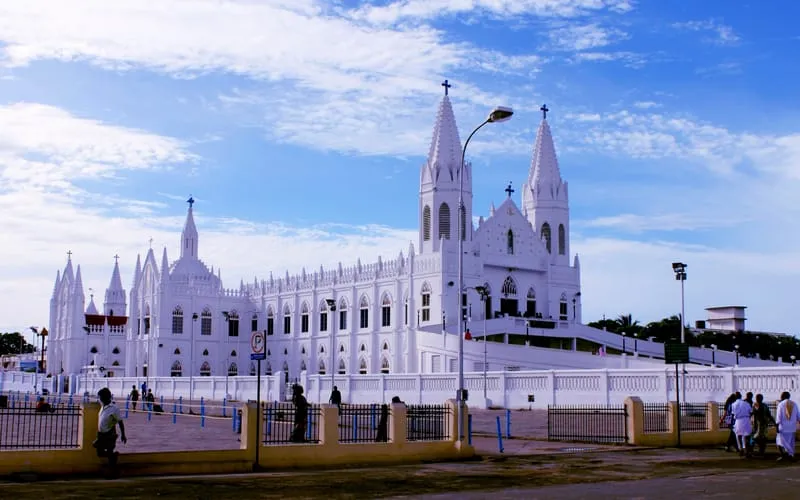
Velankanni Church
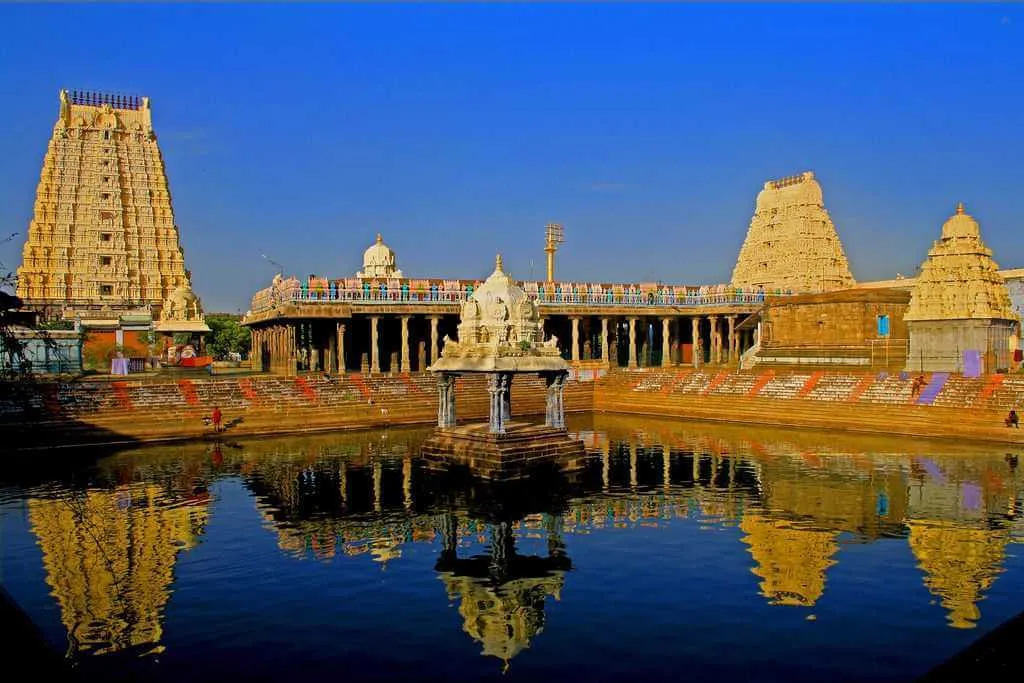
Ekambaranatha Temple
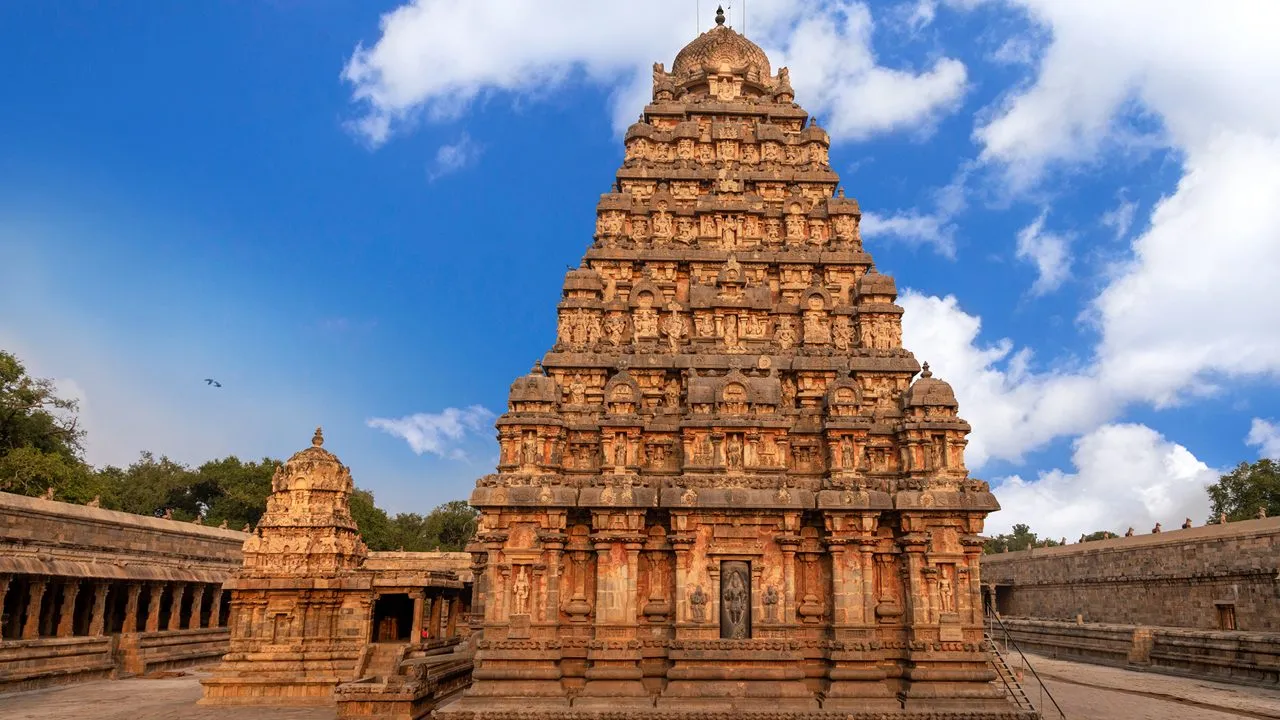
Sri Airavatesvara Temple
Visit Information
Opening Hours
Entry Fee
Best Time to Visit
December to March
Location
Nagapattinam District, Tamil Nadu
Contact
For inquiries: NA
Share this destination: