 Translate
Mahabalipuram Beach
About Mahabalipuram Beach
Mahabalipuram Beach: Where Ancient Pallava History Meets the Coromandel Coast
Just an hour's drive south of the bustling metropolis of Chennai lies a coastal town where time seems to stand still, trapped beautifully between the 8th century and the modern surfing era. Mahabalipuram Beach, situated in the historic town of Mamallapuram, is unlike any other beach in India. It is not just a stretch of sand bordering the Bay of Bengal; it is a living, breathing UNESCO World Heritage site where ancient rock-cut architecture directly faces the relentless power of the ocean. When you step onto the golden sands of Mahabalipuram, you are walking on the exact shores where ancient Pallava kings launched massive naval fleets and established trade routes with Southeast Asia over a millennium ago.
Today, the beach is a vibrant melting pot of cultures. On any given morning, you will see local fishermen hauling in their daily catch on traditional wooden catamarans, international backpackers waxing their surfboards to catch the morning swell, and history enthusiasts marveling at the intricately carved stone monuments that dot the shoreline. The air is always filled with the distinct, rhythmic 'tap-tap-tap' of stone carvers working in the nearby streets, a craft passed down through generations. Whether you are seeking a deep dive into South Indian history, an adrenaline-pumping surfing experience, or a tranquil spot to enjoy spectacular coastal photography, Mahabalipuram Beach offers a multifaceted coastal escape that is deeply enriching and entirely unforgettable.
The Historical Tapestry: Monuments by the Sea
You simply cannot separate Mahabalipuram Beach from its monumental history. The Pallava dynasty, which ruled this region from the 3rd to the 9th centuries CE, used Mamallapuram as their primary seaport. To showcase their immense wealth and artistic prowess, they commissioned incredibly complex stone temples and carvings right on the edge of the sea.
The Majestic Shore Temple
The absolute crown jewel of the beach is the Shore Temple. Built in the 8th century during the reign of Narasimhavarman II, this structural temple is one of the oldest in South India. It features twin spires that rise elegantly against the backdrop of the blue ocean. Built out of blocks of granite, the temple has withstood over 1,300 years of salty sea winds, monsoons, and even the devastating 2004 Indian Ocean Tsunami. The tsunami, while tragic, actually receded the ocean long enough to reveal the submerged ruins of what archaeologists believe are the legendary 'Seven Pagodas' of Mahabalipuram. Visiting the Shore Temple at dawn, when the morning sun casts a golden glow over the weathered granite, is an ethereal experience.
Pancha Rathas and Arjuna's Penance
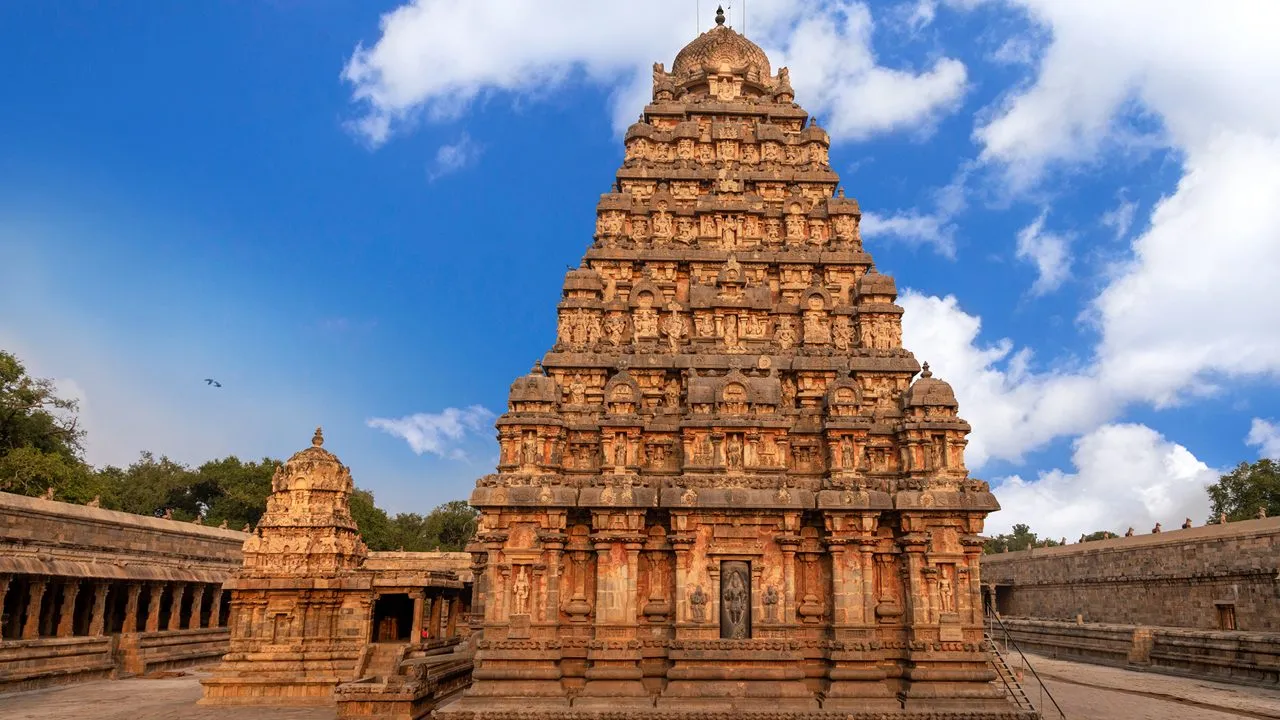
While slightly inland from the immediate shoreline, these monuments are a short walk from the beach and are essential to the Mamallapuram experience. The Pancha Rathas (Five Chariots) are monolithic temples carved entirely out of single, massive rocks, each dedicated to a Pandava brother from the Mahabharata. Just up the road is Arjuna's Penance (or the Descent of the Ganges), a gigantic open-air rock relief featuring life-sized carvings of elephants, deities, and mythological creatures. The craftsmanship is so precise that it remains a masterclass in ancient sculptural art.
India's Premier Surfing Destination
If the ancient kings laid the historical foundation of Mahabalipuram, the modern surfing community has injected it with a vibrant, youthful energy. Over the last decade, Mahabalipuram has firmly established itself as the surfing capital of India. The unique underwater topography near the Shore Temple creates consistent, world-class point break waves that attract surfers from all over the globe.
The beach is dotted with prominent surf schools run by passionate locals who grew up reading the ocean. If you have ever wanted to learn how to catch a wave, this is the place to do it. The water is warm year-round, and the instructors are highly experienced in teaching beginners. During the summer months, the town even hosts national and international surfing festivals, transforming the quiet historic town into a lively festival of music, sport, and beach culture.
A Paradise for Coastal and Wildlife Photography
If you have an eye for a great shot, bringing your telephoto lens is an absolute must here. Beyond the architectural marvels, the shoreline and the nearby coastal estuaries present excellent opportunities for wildlife photography. You can easily spend an early morning tracking Brahminy kites swooping over the churning waves, spotting white-breasted waterhens in the nearby marshy patches, or patiently capturing macro shots of translucent ghost crabs darting across the wet sand as the tide recedes. The interplay between the raw, untamed nature of the Coromandel Coast and the structured geometry of the ancient Pallava monuments provides a limitless canvas for striking visual storytelling.
The Living Art: Exploring the Stone Carving Culture
One of the most unique aspects of walking from the beach into the main streets of Mahabalipuram is the sensory experience of the stone carvers. The town is recognized globally for its stone sculpting, a tradition that has survived intact since the Pallava era. Hundreds of workshops line the streets (specifically Othavadai Street), covered in a fine layer of white stone dust. Artisans chisel away at massive blocks of granite, creating exquisite statues of Hindu deities, Buddha figures, and modern abstract art. You can watch these master craftsmen at work, deeply focused as they turn rough stone into polished masterpieces. Purchasing a small, hand-carved stone souvenir from these local artisans is a great way to support this ancient, living heritage.
Culinary Delights: Fresh Seafood and Bohemian Cafes
All that surfing and temple-hopping is bound to make you hungry, and Mahabalipuram's food scene does not disappoint. The culinary landscape here is heavily influenced by its identity as a fishing village and a backpacker hub.
Beachside Seafood Shacks
For an authentic local experience, head to the small shacks right on the beach. Here, you can point to fresh catch—ranging from red snapper and pomfret to jumbo prawns and calamari—and have it marinated in fiery South Indian spices and grilled right in front of you on a hot tawa. Eating spicy grilled fish with your toes in the sand as the sea breeze cools you down is a quintessential Mahabs experience.
The Backpacker Cafes
Othavadai Street, which leads directly to the beach, is packed with bohemian cafes offering a mix of global cuisines to cater to international tourists. Places like Moonrakers, Bob Marley Cafe, and Le Yogi serve up everything from excellent wood-fired pizzas and Israeli shakshuka to hearty Tibetan thukpa and strong, perfectly brewed espresso. These cafes usually feature relaxed, floor-cushion seating and are great places to unwind after a long day in the sun.
How to Reach Mahabalipuram Beach
Located about 58 kilometers south of Chennai, Mahabalipuram is incredibly accessible, and the journey there is an experience in itself.
Driving via the East Coast Road (ECR)
The absolute best way to reach Mahabalipuram is by driving down the spectacular East Coast Road (ECR) from Chennai. This highway runs parallel to the Bay of Bengal, offering smooth tarmac, gentle curves, and frequent glimpses of the ocean through the casuarina trees. It is widely considered one of the most scenic coastal drives in India. You can rent a car or a motorcycle in Chennai, and the drive takes just over an hour. Along the way, you can stop at the Madras Crocodile Bank Trust or the Muttukadu Backwaters for a boat ride.
Public Transportation Options
If you prefer public transport, frequent government buses (both air-conditioned and non-A/C) run from Chennai's CMBT (Koyambedu) bus terminus and various points along the Old Mahabalipuram Road (OMR) and ECR directly to the Mamallapuram bus stand, which is a short walking distance from the beach. The nearest major railway station is Chengalpattu Junction (about 30 km away), and the closest airport is Chennai International Airport (MAA), roughly 55 km away.
The Best Time to Visit
Because Mahabalipuram is located in tropical South India, the weather is warm and humid for most of the year. Planning your trip during the right season is crucial for a comfortable experience.
Winter (November to February) - Ideal Season
This is the peak tourist season and undeniably the best time to visit. The daytime temperatures hover around a pleasant 24°C to 28°C, making it perfect for exploring the rock-cut monuments without getting exhausted by the heat. The skies are clear, and the evenings are remarkably cool.
Summer (March to June)
Summers can be brutally hot, with temperatures often crossing 35°C and extremely high humidity. Exploring the stone temples during the day can be uncomfortable as the granite radiates heat. However, if you are visiting primarily for surfing, the summer months bring excellent swells.
Monsoon (July to October)
The Northeast monsoon brings heavy rains to the Coromandel Coast. While the rain washes the stone monuments clean and turns the surrounding vegetation a brilliant green, the sea becomes very rough and swimming or surfing is not recommended. Photography can also be challenging due to heavy cloud cover.
Frequently Asked Questions (FAQs)
Is it safe to swim at Mahabalipuram Beach?
Swimming at Mahabalipuram Beach requires caution. The Bay of Bengal is known for strong rip currents and aggressive waves. While certain shallow areas are fine for wading, venturing deep into the water is not advised unless you are an experienced swimmer or accompanied by a local surf instructor. Always pay attention to local warnings and red flags.
What are the entry timings and fees for the Shore Temple?
The Shore Temple is open daily from 6:00 AM to 6:00 PM. While access to the actual beach is completely free, there is an entry fee to access the Shore Temple complex. For Indian citizens, the fee is typically around ₹40, and for foreign nationals, it is around ₹600. The same ticket is usually valid for visiting the Pancha Rathas on the same day.
Can beginners learn to surf at Mahabalipuram?
Absolutely. Mahabalipuram is one of the most beginner-friendly surfing spots in India. There are several certified surf schools operating directly on the beach that offer daily lessons, board rentals, and safety gear. The instructors are well-trained to handle first-time surfers.
How far is Mahabalipuram from Chennai?
Mahabalipuram is approximately 58 kilometers (about 36 miles) from central Chennai. A drive down the East Coast Road (ECR) typically takes between 1 to 1.5 hours, depending on traffic conditions.
What is the best time of day to visit the monuments?
To avoid the scorching midday sun and the massive tourist crowds, the best time to visit the Shore Temple and other monuments is early in the morning right when they open at 6:00 AM. Alternatively, late afternoon around 4:30 PM is also pleasant, offering beautiful golden hour lighting for photography.
Are there good places to stay near the beach?
Yes, Mamallapuram offers a wide range of accommodation. You can find everything from budget-friendly backpacker hostels and cozy homestays in the town center to luxurious five-star beach resorts like the Radisson Blu Resort Temple Bay and Taj Fisherman's Cove (located slightly further up the ECR) that offer private beach access.
Photo Gallery
What you'll experience
- 1
Temple visits
- 2
Sculpture photography
- 3
Surfing
- 4
Seafood stalls
- 5
Cultural walks
Nearby Destinations
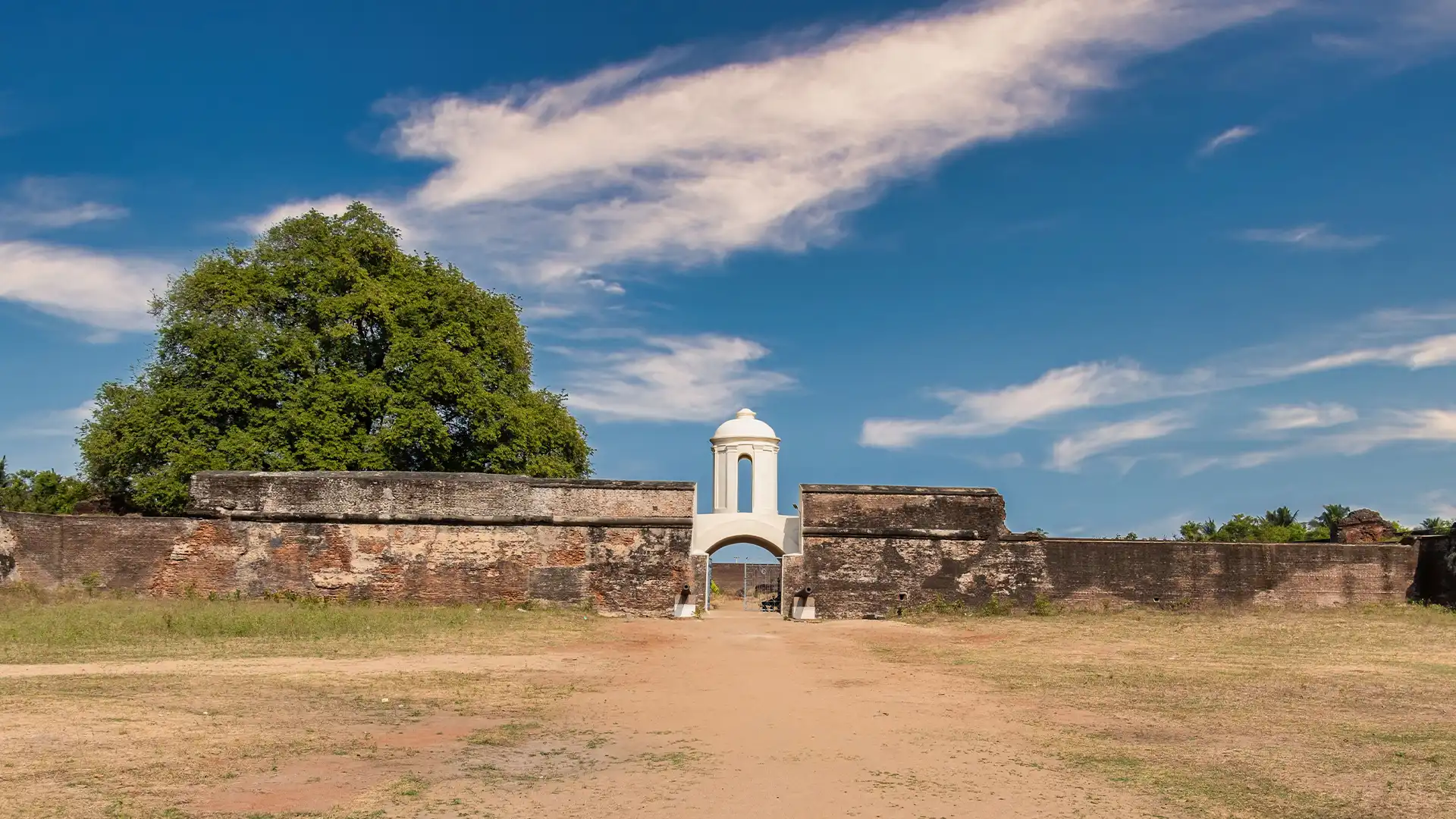
Sadras Beach Resort
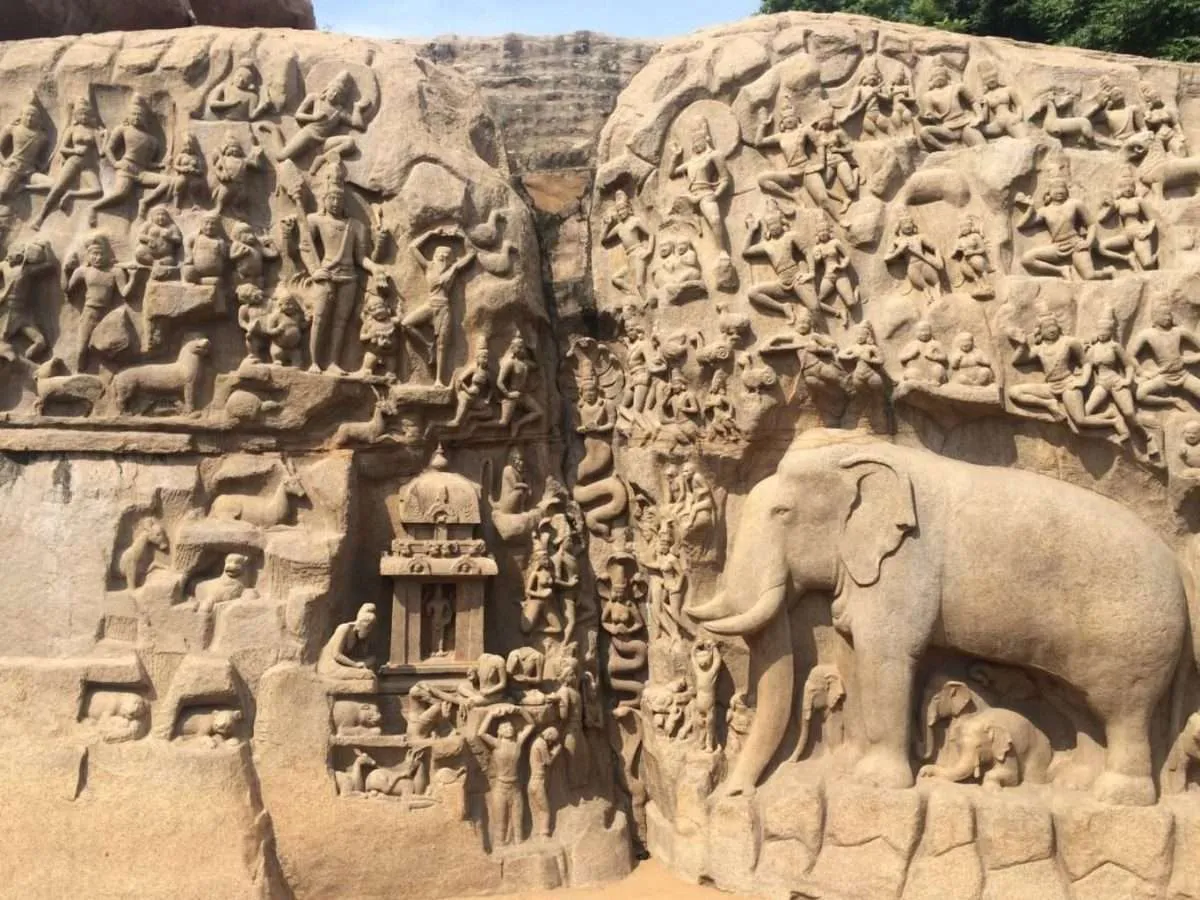
Descent of the Ganga River / Arjuna's Penance
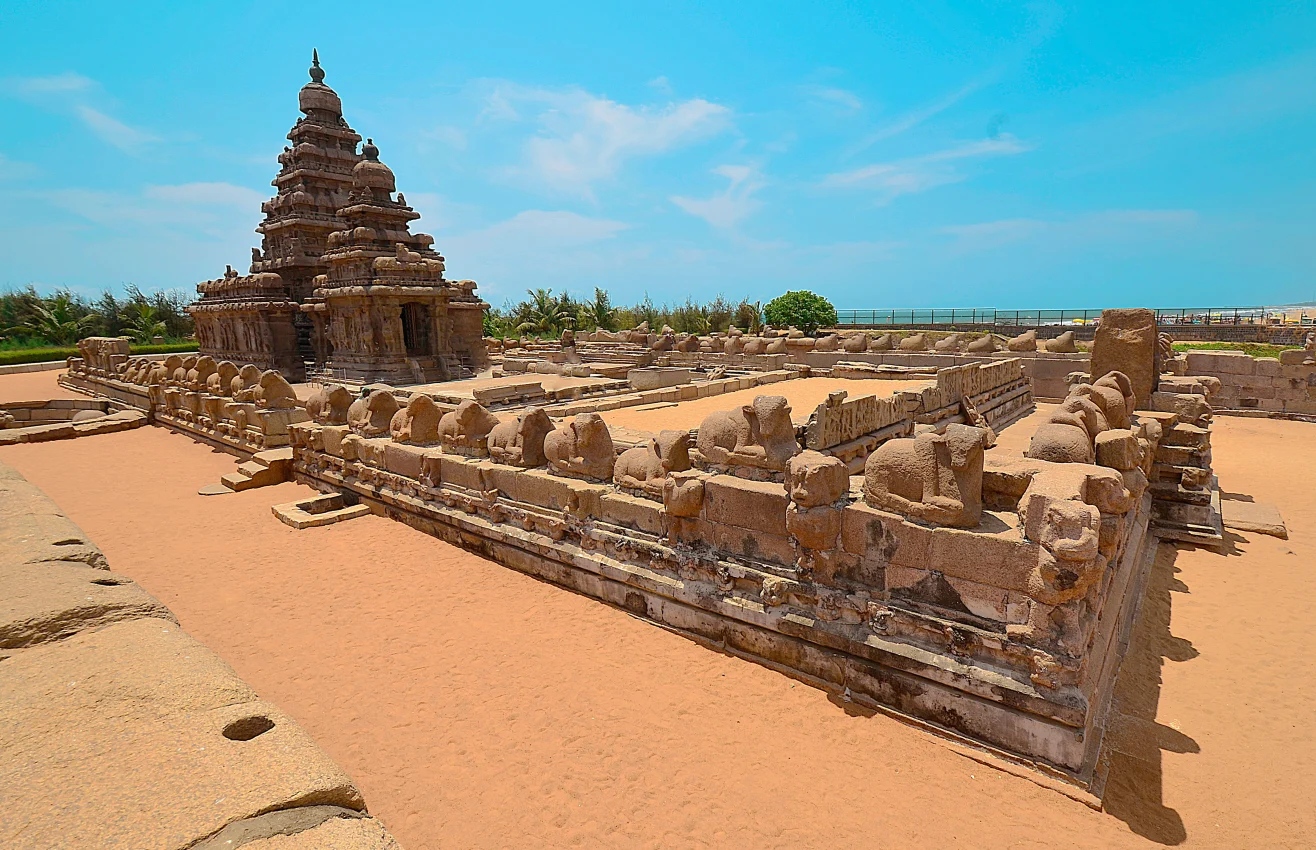
Five Rathas (Pancha Rathas)
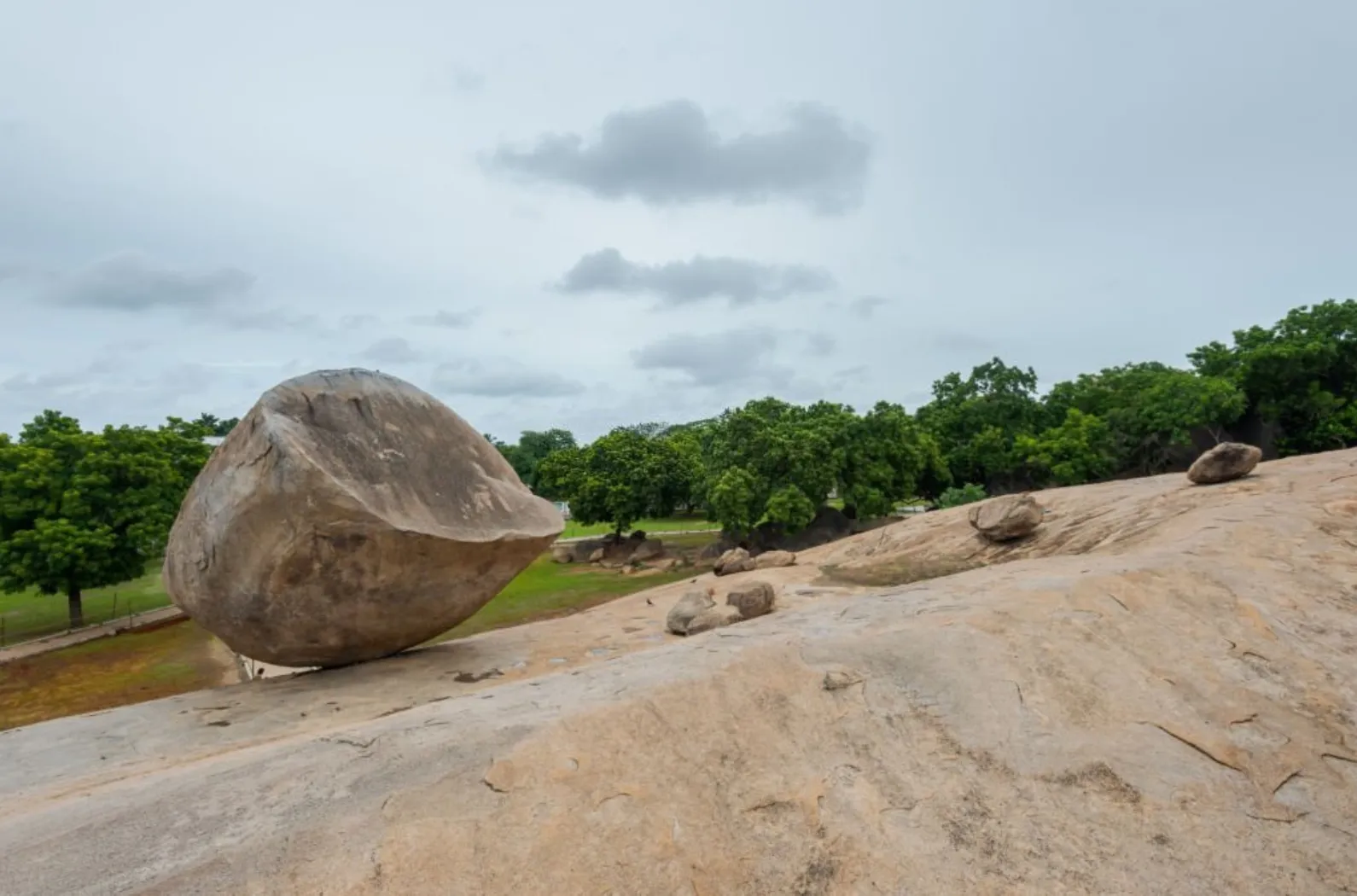
Krishna's Butter Ball
These destinations are in close proximity to Mahabalipuram Beach and can be visited on the same trip.
Visit Information
Opening Hours
Entry Fee
Best Time to Visit
November to February
Location
Mahabalipuram, Tamil Nadu
Contact
For inquiries: NA
Share this destination:
