 Translate
Descent of the Ganga River / Arjuna's Penance
About Descent of the Ganga River / Arjuna's Penance
Introduction: The Great Open-Air Rock Relief of Mahabalipuram
Situated in the coastal town of Mamallapuram (Mahabalipuram), Tamil Nadu, approximately 55 kilometers south of Chennai and 280 kilometers northeast of Tiruchirappalli (Trichy), Descent of the Ganga (also known as Arjuna's Penance) is one of the largest, most famous, and artistically astounding open-air rock bas-reliefs in world history. Carved in the 7th century AD during the reign of Pallava King Narasimhavarman I (Mamalla), this monumental granite artwork measures an impressive 29 meters (96 feet) long by 13 meters (43 feet) high, forming a cornerstone of the UNESCO World Heritage monuments at Mahabalipuram.
Sculpted across two massive boulders separated by a natural vertical fissure, the monument depicts two celebrated mythological narratives simultaneously: the celestial descent of the river Ganges from the heavens to earth (*Bhagiratha's Penance*) and the intense penance of Arjuna to obtain the *Pasupata* weapon from Lord Shiva (*Arjuna's Penance*).
Key Highlights & Artistic Masterpieces
The bas-relief features over 145 carved figures, life-sized animal sculptures, and natural water-cleaving channels:
1. The Central Fissure & Celestial Descent
The natural vertical crevice dividing the two giant boulders represents the river Ganges flowing down to earth. During ancient Pallava celebrations, water was released from a brick cistern atop the cliff down this natural groove, animating the stone carvings of Nagas and Naginis (serpent deities) swimming upward along the cascading river.
2. Bhagiratha / Arjuna Penance Figure
On the left boulder stands an emaciated ascetic performing austere penance on one leg with arms raised above his head. Adjacent to him stands **Lord Shiva** in a majestic posture, accompanied by his attendants (*Ganas*), granting divine favors and acknowledging the devotee's devotion.
3. Life-Sized Elephant Family
At the bottom right of the relief is a herd of life-sized Asian elephants carved with extraordinary realism. A massive bull elephant leads the herd while tiny newborn elephant calves nestle safely beneath its legs, showcasing the Pallava sculptors' mastery of animal anatomy.
4. The Cat's Penance (Humorous Parody Relief)
Adding a touch of ancient humor, sculptors carved a cat standing on its hind legs performing ascetic penance, while unsuspecting mice dance merrily around its feet—a satire on hypocritical ascetics from ancient Indian folklore (*Panchatantra*).
Key Highlights & Attraction Summary
- UNESCO World Heritage Monument: World-famous 7th-century Pallava open-air rock relief.
- Dual Mythological Depiction: Narrates both the Descent of the Ganges and Arjuna's Penance.
- Life-Sized Elephant Carvings: Remarkably detailed granite sculptures of elephants and calves.
- Over 145 Sculpted Figures: Features gods, celestial beings, ascetics, animals, and serpent deities.
How to Reach Mahabalipuram
Located along the East Coast Road (ECR), easily accessible from Chennai and Trichy.
By Road from Chennai or Trichy (Car, Bus, or Taxi)
Driving from Chennai via the scenic East Coast Road (ECR) takes roughly 1.5 hours (approx. 55 km). Driving from Trichy via NH 38 and ECR takes about 4.5 to 5 hours (approx. 280 km). Frequent state transport (SETC) and express buses run continuously from **Chennai CMBT / Koyambedu** and **Trichy Central Bus Stand** to Mahabalipuram Bus Stand, located just 500 meters from the monument.
By Rail
The nearest railway station is **Chengalpattu Junction** (approx. 29 km away), from where local buses and taxis run regularly to Mahabalipuram.
Best Time to Visit
Operating hours, natural lighting angles, and seasonal weather govern optimal planning.
Opening Hours
The open-air monument complex is accessible daily from **06:00 AM to 06:00 PM**.
Optimal Visiting Strategy
Arrive in the early morning between **06:30 AM and 08:30 AM** to photograph the eastern-facing granite relief illuminated by soft morning sunlight without tourist crowds. Alternatively, visiting in the late afternoon from **04:00 PM to 06:00 PM** provides pleasant sea breezes as you explore the adjacent Pancha Rathas and Shore Temple.
Things to Do at Descent of the Ganga
- Examine Detail of Carved Reliefs: Spot celestial *Gandharvas*, *Kinnaras*, wild animals, and serpent deities in the granite wall.
- Locate the Cat's Penance Panel: Find the satirical cat and mice carving located near the elephant herd.
- Visit Nearby UNESCO Sites: Combine your visit with **Krishna's Butterball**, **Pancha Rathas**, and the seaside **Shore Temple**.
- Explore Stone Carving Workshops: Stroll through Mahabalipuram's artisan streets to watch modern stone sculptors preserving Pallava carving techniques.
Essential Rules and Visitor Guidelines
- Preserve Monumental Art: Do not climb on, touch, scratch, or lean against the 1,300-year-old carved granite rock faces.
- Comfortable Footwear: Wear comfortable walking shoes or sandals suitable for walking on sandy paths and granite hillocks.
- Sun Protection: The outdoor complex is unshaded—carry hats, sunglasses, and water bottles when visiting during midday hours.
Frequently Asked Questions (FAQs)
1. Where is Descent of the Ganga located?
It is located in Mamallapuram (Mahabalipuram), Tamil Nadu, India, about 55 km south of Chennai.
2. Who commissioned this monument and when?
It was commissioned by the Pallava King **Narasimhavarman I (Mamalla)** in the **7th century AD**.
3. What are the dimensions of the rock relief?
It measures approximately **29 meters (96 feet) long** by **13 meters (43 feet) high**.
4. Is there an entry fee?
Entry to view the open-air relief grounds is included under the general **ASI Mahabalipuram UNESCO Ticket** (valid for Shore Temple, Pancha Rathas, and main hill monuments).
5. How long does a visit take?
A typical visit takes **30 to 45 minutes** to inspect the bas-relief, which easily combines into a 3-hour tour of Mahabalipuram's UNESCO complex.
Conclusion
Descent of the Ganga (Arjuna's Penance) stands out as South India's ultimate open-air masterpiece of 7th-century Pallava granite art, where celestial rivers, life-sized elephant herds, epic penance legends, and UNESCO World Heritage status converge in Mahabalipuram. From tracing carved celestial deities to finding the satirical cat panel and exploring the Shore Temple, Mahabalipuram delivers an unmissable heritage journey. Visit during early morning hours, bring your camera, and explore Descent of the Ganga Mahabalipuram!
Photo Gallery
What you'll experience
- 1
Mythological carvings
- 2
Ancient art
- 3
Cultural exploration
- 4
Photography
- 5
Historical significance
Nearby Destinations
Mahabalipuram Beach
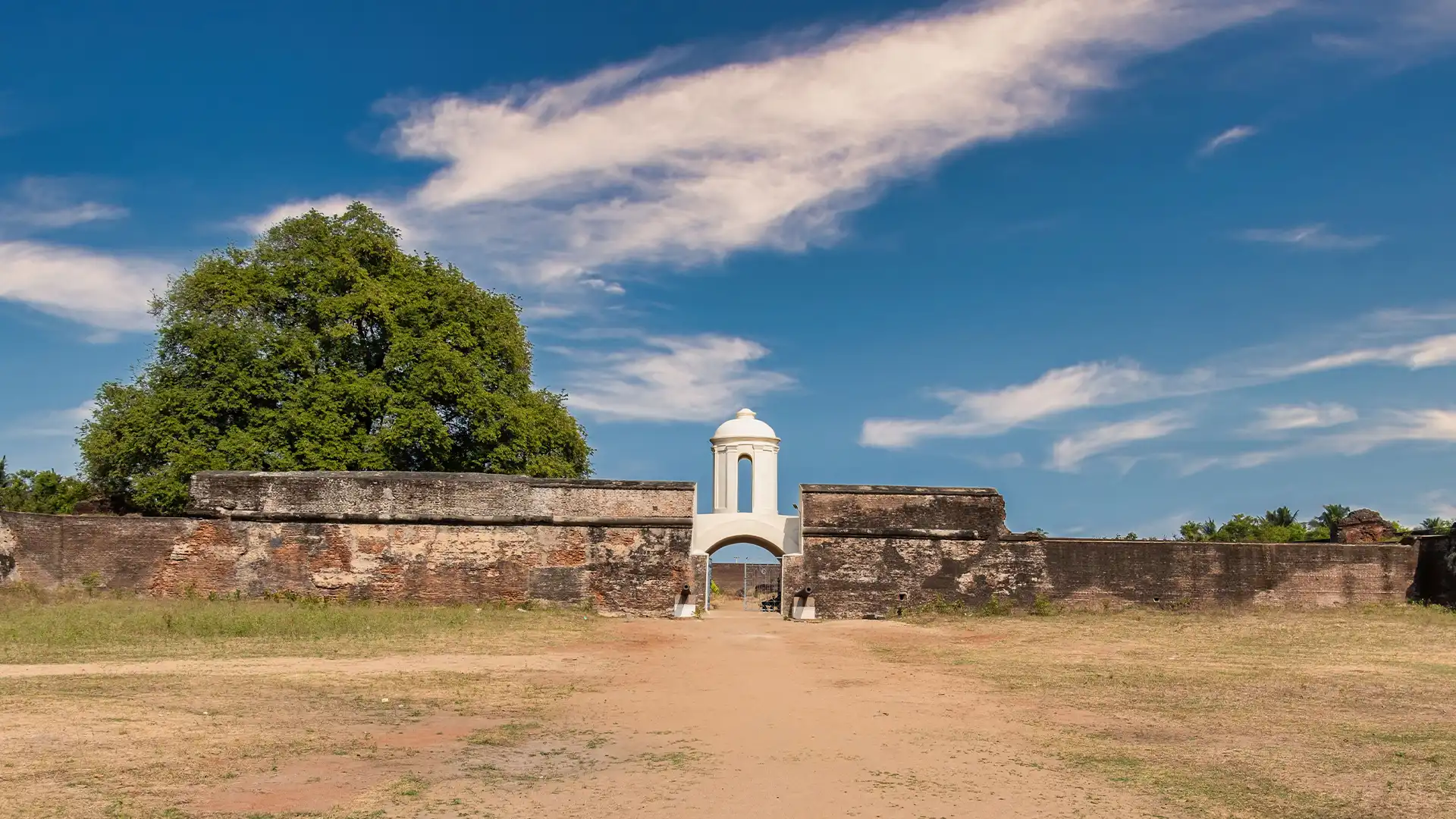
Sadras Beach Resort
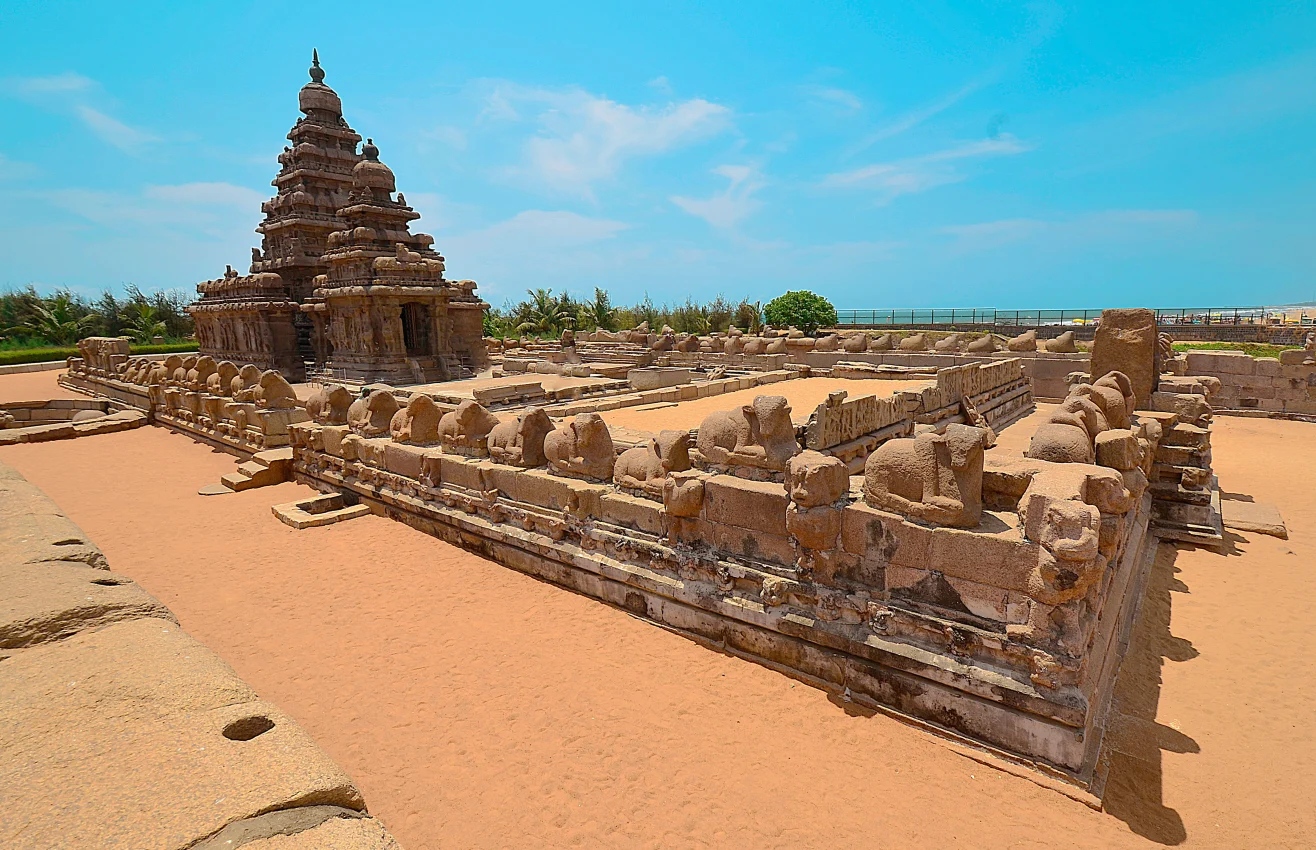
Five Rathas (Pancha Rathas)
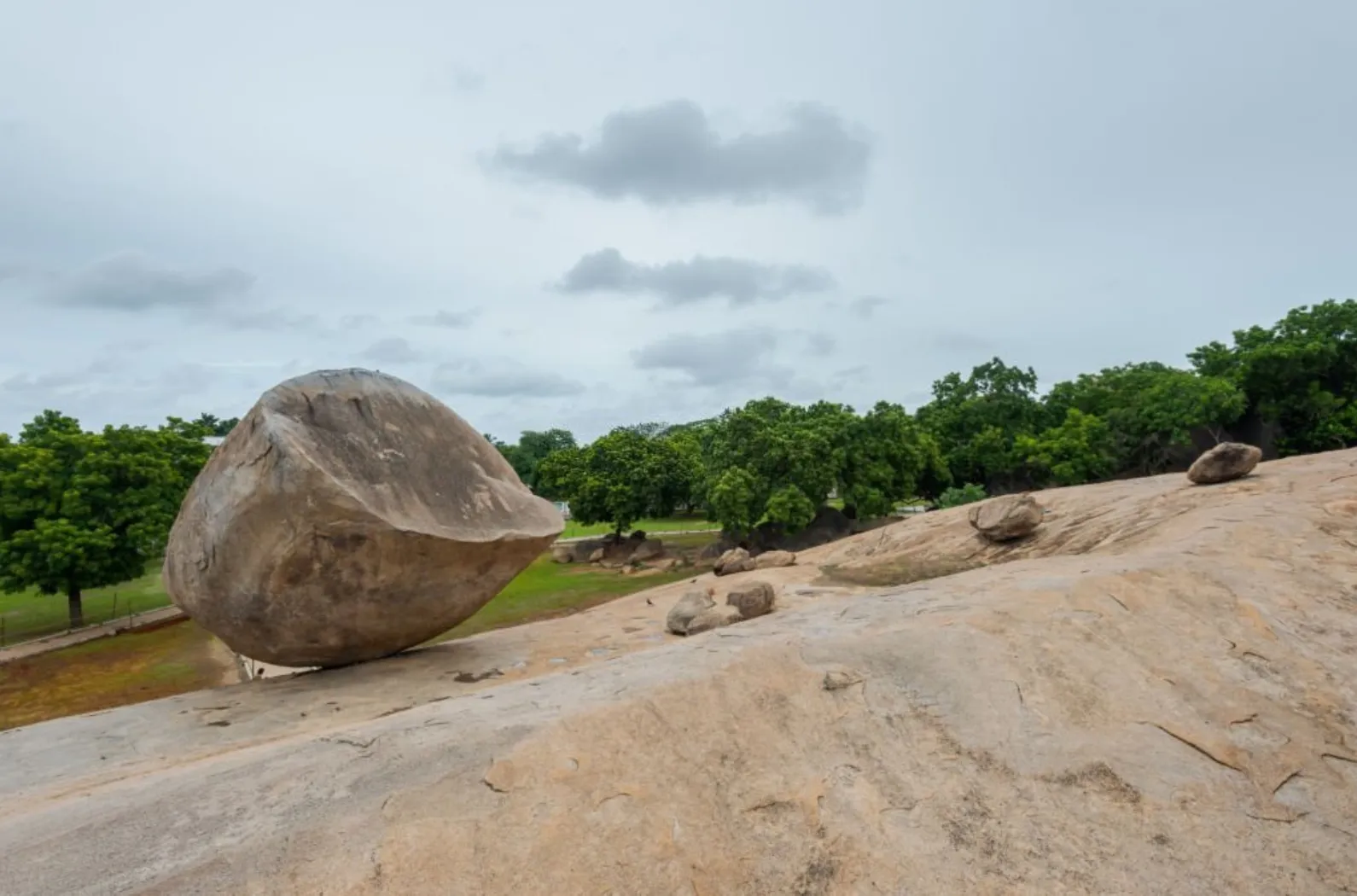
Krishna's Butter Ball
These destinations are in close proximity to Descent of the Ganga River / Arjuna's Penance and can be visited on the same trip.
Related Destinations
Visit Information
Opening Hours
Entry Fee
Best Time to Visit
November to February
Location
Mahabalipuram, Tamil Nadu
Contact
For inquiries: +91-44-2744-2248
Share this destination:
