 Translate
Bryant Park
About Bryant Park
Introduction: The Botanical Oasis of Kodaikanal Lake
Situated along the eastern bank of the scenic Kodaikanal Lake in the Palani Hills of Tamil Nadu, approximately 175 kilometers (a 4-hour drive) northwest of Tiruchirappalli (Trichy), Bryant Park is a meticulously maintained, 20.5-acre botanical garden. Established in 1908 by H.D. Bryant, a British forest officer, the park serves as a vibrant horticultural showcase and a premier recreational destination for travelers visiting the hill station.
Renowned for its vast collection of flora, glasshouse displays, and quiet walking paths, Bryant Park forms an essential part of any Kodaikanal itinerary, offering a colorful retreat right in the heart of the town.
Key Attractions & Horticultural Highlights
The park complex features specialized plant varieties, historic trees, and vibrant seasonal exhibitions:
1. Diverse Flora & Rose Garden Section
The park boasts over 325 species of trees, shrubs, and cacti. It features a dedicated rose garden housing hundreds of distinct varieties, alongside a magnificent, century-old **Eucalyptus tree** (over 157 years old) and a sprawling, spiritually significant **Bodhi tree**.
2. The Glasshouse Conservatory
A prominent architectural feature within the grounds, the glasshouse houses a wide collection of ferns, ornamental potted plants, cacti, and delicate subtropical flowers cultivated in controlled microclimate conditions.
3. The Annual Summer Flower Show
Every May, as part of the Kodaikanal Summer Festival, Bryant Park hosts the prestigious **Annual Flower Show** organized by the Department of Horticulture. The event draws tens of thousands of visitors to view intricate floral art sculptures, rare plant competitions, and vegetable carvings.
4. Horticultural Nursery & Educational Center
Acting as a practical training center for ornamental horticulture students, the park includes an active plant nursery where visitors can purchase live ornamental plants, saplings, and garden seeds.
Key Highlights & Attraction Summary
- Established in 1908: Historic 20.5-acre botanical garden created by British officer H.D. Bryant.
- 325+ Plant Species: Extensive collection of exotic trees, shrubs, cacti, and rose varieties.
- May Flower Show: World-renowned summer horticultural exhibition drawing regional and international tourists.
- Lake-Adjacent Location: Situated within walking distance of Kodaikanal Lake and the main town center.
How to Reach Bryant Park
Located on Lower Shola Road near Kodaikanal Lake, easily accessible on foot or by local transport.
By Road from Trichy or Kodaikanal Town (Car, Bus, or Taxi)
Driving from Trichy via Dindigul and the Batlagundu Ghat Road takes roughly 3.5 to 4 hours (approx. 175 km). From the **Kodaikanal Bus Stand**, Bryant Park is located just 500 meters to 1 kilometer away and can be reached within a 10-minute walk along the lake promenade.
By Rail & Local Transit
The nearest railway stations are **Palani Railway Station** (approx. 67 km) and **Kodai Road Station** (approx. 80 km), with continuous taxis, local buses, and rental cabs connecting travelers up to Kodaikanal town.
Best Time to Visit
Operating hours and seasonal blooming periods govern optimal planning.
Opening Hours & Ticket Information
The park is open daily from **09:00 AM to 06:00 PM**. Entry fees are nominal (approx. **₹30 to ₹50 for adults** and **₹15 to ₹20 for children**, with extra nominal fees for still and video cameras).
Optimal Visiting Strategy
The best months to visit are from **April to June** (to witness the peak flower blooms and the May Flower Show) or during the winter months (**November to February**). Plan to spend **1 to 2 hours** exploring the gardens, preferably arriving in the morning around **09:30 AM** or late afternoon for leisurely strolls.
Things to Do at Bryant Park
- Stroll Through the Rose & Flower Beds: Walk along terraced lawns filled with colorful seasonal blooms.
- Inspect the 157-Year-Old Eucalyptus Tree: View historic heritage trees scattered across the park grounds.
- Explore the Glasshouse: Examine rare ferns, orchids, and indoor potted plants.
- Combine with Kodaikanal Lake: Pair your park visit with boating and cycling around the adjacent **Kodaikanal Lake**.
Essential Rules and Visitor Guidelines
- Do Not Pluck Flowers: Plucking flowers, damaging plants, or walking onto restricted flower beds is strictly prohibited.
- Keep Premises Clean: Dispose of waste and plastic wrappers in designated trash bins to maintain the park's pristine environment.
- No Outside Food / Cycling Inside: Heavy sports equipment or cycling inside pedestrian flower zones may be restricted; check entrance instructions.
Frequently Asked Questions (FAQs)
1. Where is Bryant Park located?
It is located on the eastern side of Kodaikanal Lake in Tamil Nadu, India, within walking distance of the main bus stand.
2. Who established Bryant Park and when?
It was established in **1908** by British forestry officer **H.D. Bryant**.
3. What are the operating hours?
Open daily from **09:00 AM to 06:00 PM**.
4. What are the entry fees?
Entry tickets are approximately **₹30 to ₹50 for adults** and **₹15 to ₹20 for children**.
5. How long does a visit take?
A typical visit takes **1 to 2 hours**.
Conclusion
Bryant Park stands out as Kodaikanal's ultimate botanical haven, where 1908 British horticultural heritage, 325+ plant species, glasshouse conservatories, and the famous May Flower Show converge beside Kodaikanal Lake. From walking among vibrant rose beds to enjoying peaceful lakeside air, Bryant Park delivers an unmissable hill station experience. Plan a morning visit, respect floral conservation rules, and explore Bryant Park Kodaikanal!
Photo Gallery
What you'll experience
- 1
Botanical exhibits
- 2
Flower shows
- 3
Photography
- 4
Nature walks
Nearby Destinations
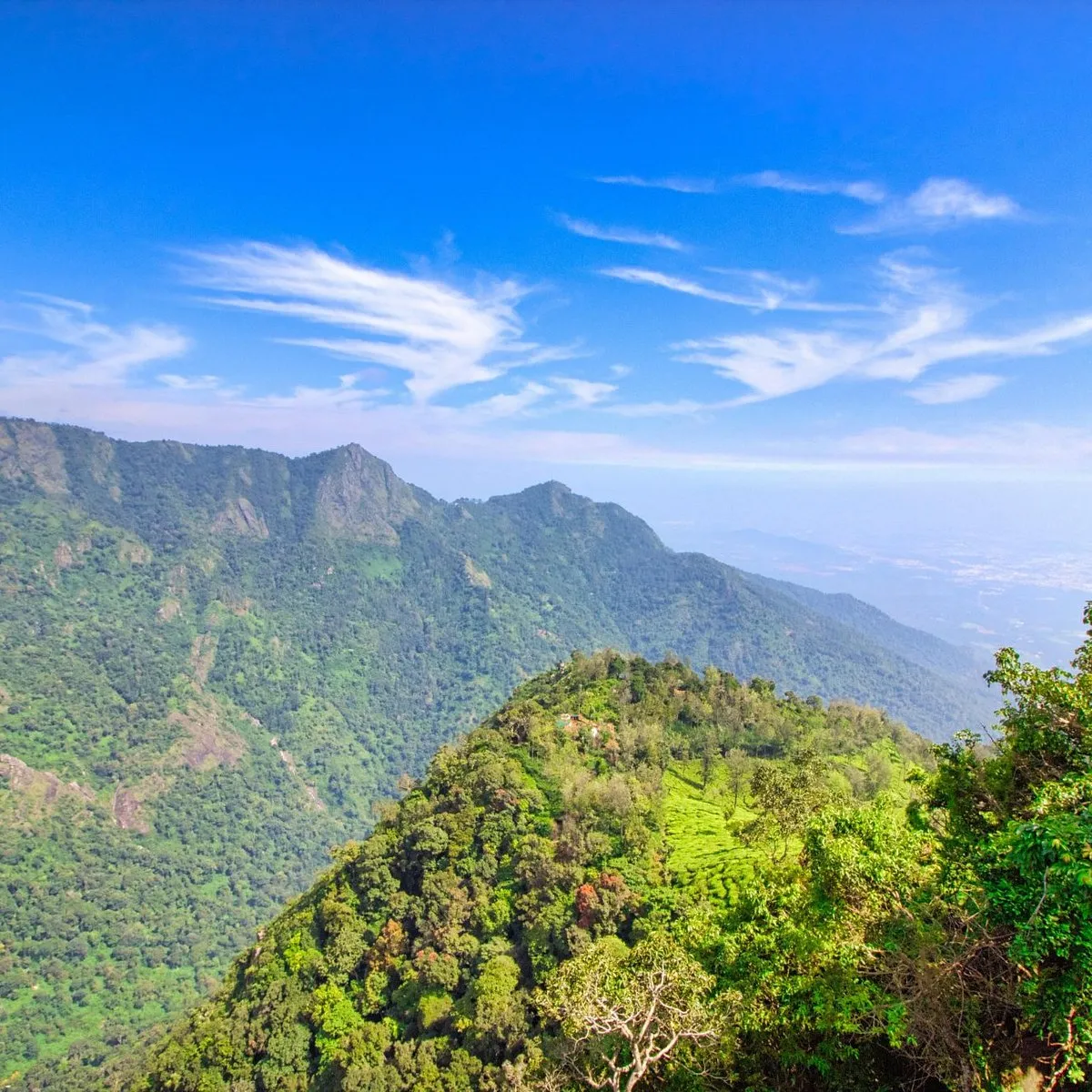
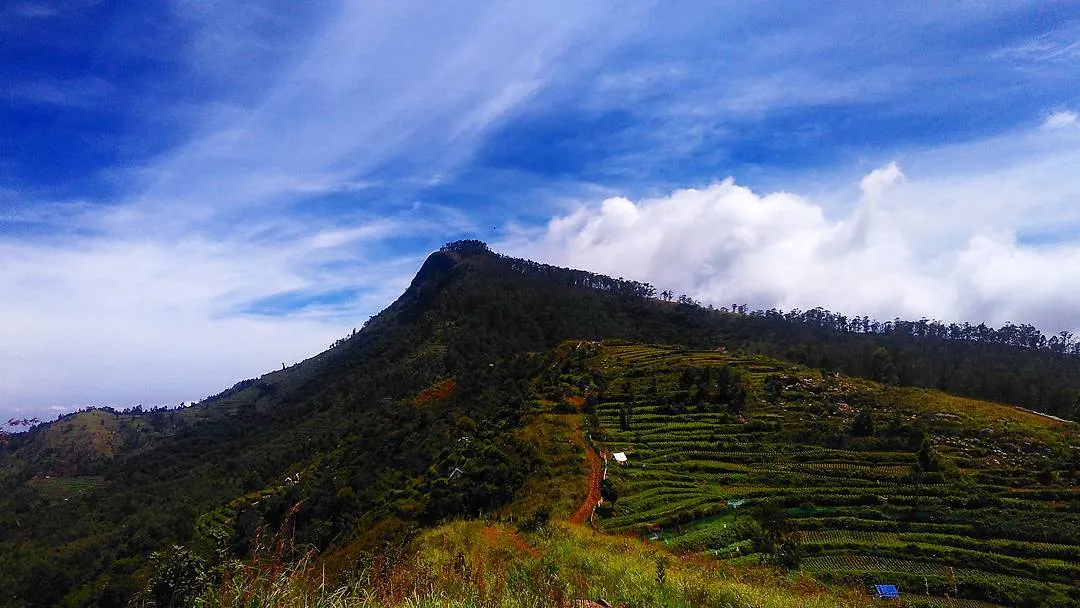
These destinations are in close proximity to Bryant Park and can be visited on the same trip.
Related Destinations

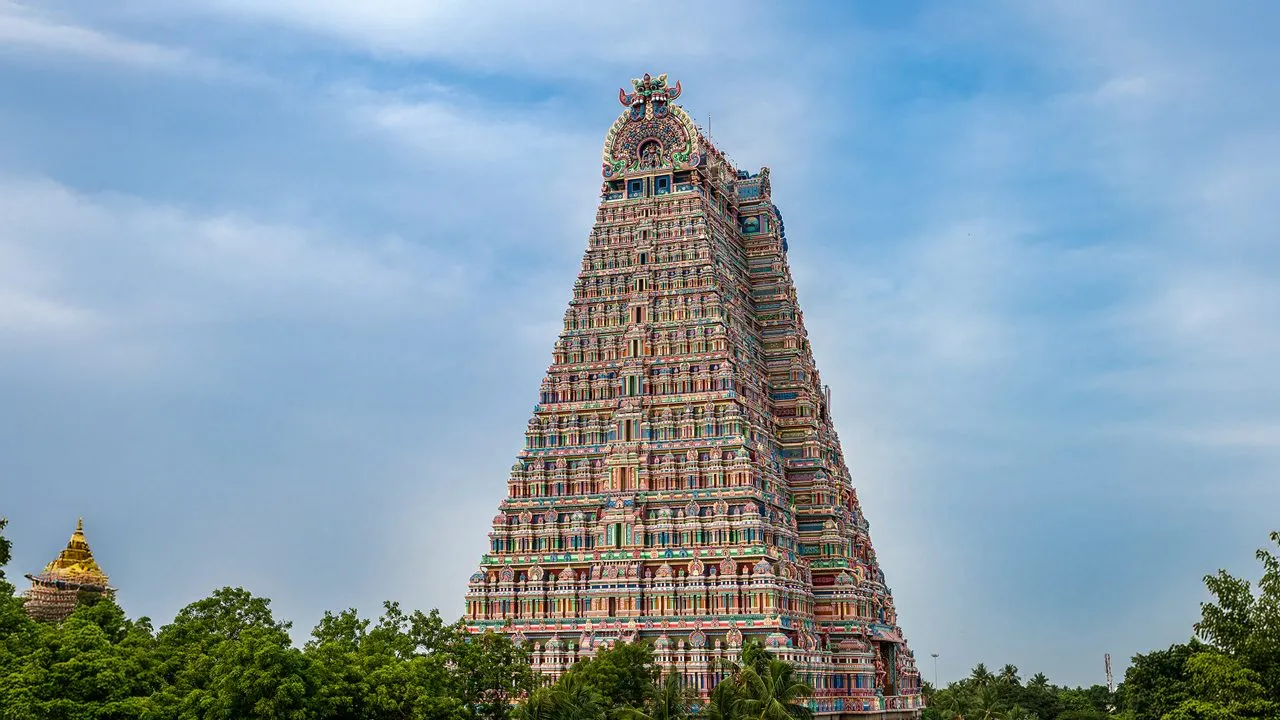
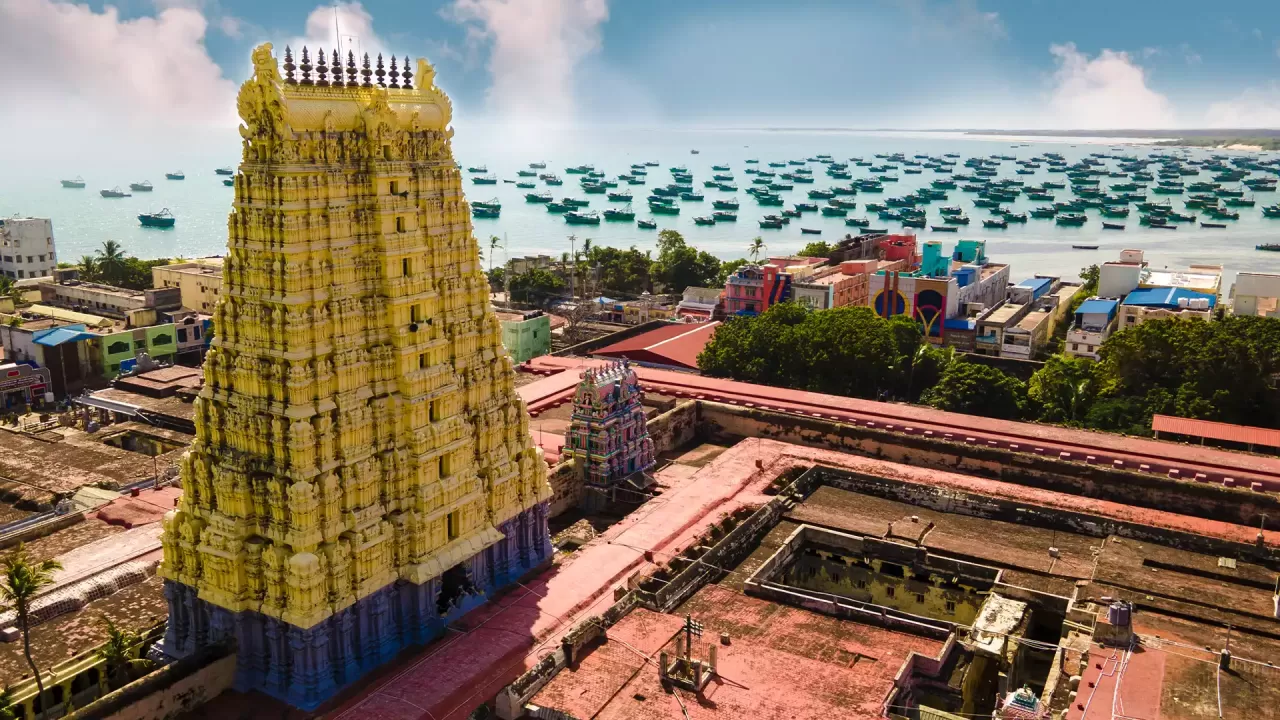

Visit Information
Opening Hours
Entry Fee
Best Time to Visit
April to June
Location
Kodaikanal, Tamil Nadu
Contact
For inquiries: +91-4542-241675
Share this destination:
