Image unavailable
    Chennai, Tamil Nadu

    Government Museum, Chennai

    4.5(1200 reviews)
    historical

    About Government Museum, Chennai

    Government Museum Chennai โ€“ India's Second Oldest Museum & Cultural Treasure Trove

    Government Museum, Chennai (also known as Madras Museum) stands as a magnificent testament to India's rich cultural heritage and scientific advancement. Established in 1851, it holds the distinguished title of being India's second-oldest museum and one of the most comprehensive cultural institutions in South Asia. Located in the heart of Chennai, this sprawling complex attracts scholars, students, and travelers from India, the UK, US, and around the world.


    ๐Ÿ›๏ธ Historical Foundation & Colonial Legacy

    The museum's origins trace back to the British colonial period when Dr. Edward Balfour, a Scottish surgeon, established it as the "Central Museum" in 1851. Initially housed in a single room at the College of Fort St. George, it rapidly expanded to become a repository of South Indian art, archaeology, and natural history.

    Historical MilestoneYearSignificance
    Foundation1851Established by Dr. Edward Balfour
    First Building1854Moved to dedicated structure in Pantheon Road
    Current Complex1896Indo-Saracenic architecture by Henry Irwin
    National Museum Status1951Recognized as Museum of National Importance
    Modern Renovations2010sDigital cataloguing and conservation upgrades

    ๐Ÿ—๏ธ Architectural Marvel & Infrastructure

    The museum complex, designed by renowned British architect Henry Irwin, showcases spectacular Indo-Saracenic architecture that seamlessly blends Islamic, Indian, and Victorian Gothic elements. The red sandstone buildings span over 16.25 acres and house six interconnected buildings.

    Architectural Highlights:

    • Main Building: Three-story structure with ornate domes and minarets
    • Connemara Public Library: Adjacent heritage library building (1896)
    • Theatre Museum: Recently added contemporary structure
    • National Art Gallery: Dedicated space for fine arts collection
    • Children's Museum: Interactive learning space for young visitors
    • Conservation Laboratory: State-of-the-art preservation facilities

    ๐Ÿบ World-Class Collections & Galleries

    The museum houses over 1.5 million artifacts spanning archaeology, anthropology, geology, botany, zoology, and numismatics, making it one of India's most comprehensive cultural repositories.

    Archaeological Gallery:

    • Amaravati Gallery: World's finest collection of Amaravati Buddhist sculptures (2nd century BCE - 3rd century CE)
    • Pallava Sculptures: Exquisite stone carvings from 7th-9th centuries
    • Chola Bronzes: Masterpiece collection including Nataraja and other deities
    • Vijayanagara Artifacts: Royal regalia and architectural fragments
    • Roman Antiquities: Rare Roman coins and pottery found in South India

    Bronze Gallery:

    The Bronze Gallery is internationally acclaimed for housing the world's most comprehensive collection of South Indian bronze sculptures:

    • Nataraja Collection: Multiple representations of Shiva as cosmic dancer
    • Chola Period Masterpieces: 10th-13th century ritual bronzes
    • Panchaloha Technique: Traditional five-metal alloy casting examples
    • Regional Variations: Bronzes from different South Indian dynasties
    • Contemporary Works: Modern interpretations by living artists

    Anthropology Section:

    • Tribal Cultures: Artifacts from Toda, Kota, Kurumba, and other indigenous communities
    • Folk Arts: Traditional crafts, textiles, and musical instruments
    • Lifestyle Exhibits: Daily life objects from various Tamil communities
    • Ritual Objects: Religious and ceremonial artifacts

    ๐Ÿ’ฐ Numismatic Treasures

    The Numismatic Gallery showcases one of India's finest coin collections, documenting monetary history from ancient times to the modern era:

    PeriodCoin TypesHistorical Significance
    Ancient IndiaPunch-marked silver coins6th century BCE trade evidence
    Mauryan EmpireSilver karshapanaUnified currency system
    Gupta PeriodGold dinarsClassical age prosperity
    South Indian DynastiesChola, Pandya, Pallava coinsRegional economic systems
    Medieval PeriodDelhi Sultanate issuesIslamic influence documentation
    Colonial EraEast India Company coinsBritish economic policies

    ๐Ÿฆ• Natural History Marvels

    Geology Gallery:

    • Mineral Collection: Over 20,000 specimens including precious gems
    • Fossil Exhibits: Dinosaur fossils, prehistoric plants, and marine life
    • Rock Formations: Geological samples from across South India
    • Meteorite Collection: Rare extraterrestrial specimens

    Zoology Section:

    • Vertebrate Gallery: Comprehensive animal specimens from Indian subcontinent
    • Marine Life: Extensive collection of shells, corals, and aquatic species
    • Bird Collection: Ornithological specimens including extinct species
    • Insect Gallery: Diverse entomological collection

    Botany Collection:

    • Herbarium: Preserved plant specimens for scientific study
    • Wood Samples: Forest products and timber varieties
    • Medicinal Plants: Traditional Tamil medicine flora documentation
    • Economic Botany: Commercial plant products and their uses

    ๐ŸŽญ Theatre Museum โ€“ Performance Heritage

    A relatively recent addition, the Theatre Museum celebrates Tamil Nadu's rich performing arts tradition:

    • Classical Dance: Bharatanatyam costumes, jewelry, and historical photographs
    • Folk Traditions: Karagattam, Pulikali, and other regional art forms
    • Modern Theatre: Evolution of Tamil drama and cinema
    • Musical Instruments: Traditional South Indian musical equipment
    • Interactive Exhibits: Digital displays with performance videos

    ๐Ÿ‘จโ€๐Ÿ”ฌ Research & Academic Significance

    The Government Museum serves as a major research institution, supporting scholars worldwide:

    Research Facilities:

    • Conservation Laboratory: Modern equipment for artifact preservation
    • Digital Archive: Computerized cataloguing system with online access
    • Library Resources: Specialized collection of archaeological and historical texts
    • Photography Department: Professional documentation services
    • Visiting Scholar Program: International researcher accommodation

    Academic Collaborations:

    • University Partnerships: Research projects with leading Indian universities
    • International Exchanges: Collaborations with museums in UK, US, and Europe
    • Publication Program: Academic journals and research monographs
    • Student Training: Internship and thesis research opportunities

    ๐Ÿ‘จโ€๐Ÿ‘ฉโ€๐Ÿ‘งโ€๐Ÿ‘ฆ Visitor Experience & Educational Programs

    Guided Tours:

    • General Tours: 2-hour comprehensive museum overview (โ‚น100 per group)
    • Specialized Tours: Focus on specific galleries (โ‚น150 per group)
    • School Programs: Educational tours for student groups (โ‚น50 per group)
    • Foreign Visitor Tours: English/other language guides available
    • Audio Guides: Available in Tamil, English, Hindi (โ‚น30 per device)

    Interactive Experiences:

    • Children's Museum: Hands-on activities for young visitors
    • Digital Displays: Touchscreen information kiosks
    • Workshop Programs: Art and craft sessions
    • Lecture Series: Regular talks by experts
    • Photography Workshops: Museum photography techniques

    ๐ŸŽŸ๏ธ Practical Visitor Information

    Entry Fees & Timings:

    Visitor CategoryEntry FeeCamera Fee
    Adults (Indian)โ‚น15โ‚น30
    Children (Indian)โ‚น10โ‚น30
    Foreign Touristsโ‚น250โ‚น30
    Students (with ID)โ‚น5โ‚น30
    Senior Citizensโ‚น5โ‚น30

    Opening Hours:

    • Daily: 9:30 AM to 5:00 PM
    • Closed: Fridays and public holidays
    • Last Entry: 4:30 PM
    • Special Hours: Extended timings during festivals

    ๐Ÿ“ Location & Transportation

    Address: Pantheon Road, Egmore, Chennai, Tamil Nadu 600008

    Transportation Options:

    • By Metro: Egmore Metro Station (5-minute walk)
    • By Train: Chennai Egmore Railway Station (1 km)
    • By Bus: Multiple MTC routes stop at Egmore
    • By Air: Chennai International Airport (15 km, 45 minutes)
    • By Taxi: Readily available from all parts of Chennai

    Parking Facilities:

    • Museum Parking: Limited spaces available (โ‚น20 for 4-wheelers)
    • Street Parking: Available on Pantheon Road with paid parking
    • Egmore Station Parking: Large facility within walking distance

    ๐Ÿจ Accommodation & Dining

    Nearby Hotels:

    • The Park Chennai (2 km): 5-star luxury hotel (โ‚น8,000-15,000/night)
    • Hotel Savera (1.5 km): 4-star business hotel (โ‚น4,000-8,000/night)
    • Hotel New Victoria (1 km): Heritage property (โ‚น2,500-5,000/night)
    • Budget Options: Multiple lodges near Egmore (โ‚น800-2,500/night)

    Dining Options:

    • Museum Cafeteria: Light snacks and beverages
    • Egmore Food Courts: Variety of South Indian cuisines
    • Hotel Restaurants: Fine dining options in nearby hotels
    • Street Food: Local Tamil delicacies around Egmore area

    ๐Ÿ“š Conservation & Preservation Efforts

    The museum employs cutting-edge conservation techniques to preserve its priceless collections:

    • Climate Control: Sophisticated temperature and humidity management
    • Digital Documentation: High-resolution 3D scanning of artifacts
    • Chemical Analysis: Scientific study of artifact composition
    • Restoration Projects: Ongoing conservation of deteriorated items
    • Preventive Care: Regular monitoring and maintenance protocols
    • Security Systems: Advanced surveillance and anti-theft measures

    ๐ŸŒ Digital Initiatives & Online Presence

    Digital Museum:

    • Virtual Tours: 360-degree online gallery exploration
    • Digital Catalogue: Searchable database of collections
    • Mobile App: Interactive museum guide with AR features
    • Online Exhibitions: Special displays accessible worldwide
    • Educational Resources: Downloadable materials for teachers

    Social Media & Outreach:

    • Facebook: Regular updates and educational content
    • Instagram: Visual highlights from collections
    • YouTube: Educational videos and virtual tours
    • Twitter: News, events, and scholarly discussions

    ๐ŸŽ“ Educational Impact & Community Engagement

    School Programs:

    • Curriculum Integration: Aligned with state education standards
    • Teacher Training: Professional development workshops
    • Student Competitions: Art, essay, and quiz contests
    • Mobile Museum: Outreach programs to rural schools

    Community Initiatives:

    • Free Entry Days: Special access for economically disadvantaged
    • Senior Citizen Programs: Dedicated activities for elderly visitors
    • Disability Access: Facilities and programs for differently-abled
    • Cultural Celebrations: Festivals and traditional observances

    ๐ŸŽฏ Nearby Attractions

    • Connemara Public Library (Adjacent): Historic library with rare manuscripts
    • Ripon Building (2 km): Chennai Corporation headquarters - colonial architecture
    • Thousand Lights Mosque (3 km): Historic Islamic architecture
    • Spencer Plaza (4 km): One of India's oldest shopping malls
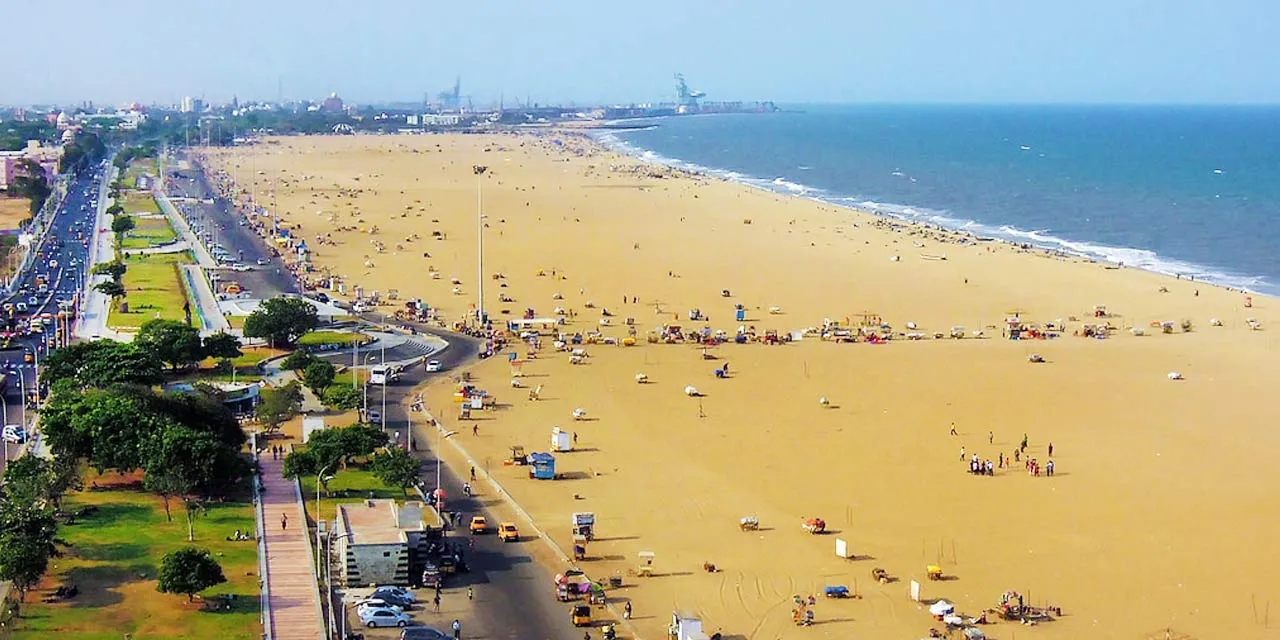
    • Marina Beach (5 km): World's second-longest urban beach
    • Fort St. George (6 km): First British fortress in India

    ๐Ÿ† Awards & Recognition

    • Museum of National Importance: Government of India recognition (1951)
    • Tourism Excellence Awards: Multiple state and national honors
    • Conservation Awards: Recognition for artifact preservation
    • Educational Excellence: Awards for museum education programs
    • Digital Innovation: Recognition for online initiatives

    ๐Ÿ“ž Contact Information & Resources

    • Museum Office: +91-44-2819-3238, +91-44-2819-3294
    • Director's Office: +91-44-2819-3250
    • Education Department: +91-44-2819-3280
    • Conservation Lab: +91-44-2819-3275
    • Public Relations: +91-44-2819-3260

    Official Resources:


    ๐ŸŒŸ Why Government Museum Chennai Matters

    The Government Museum, Chennai stands as more than just a repository of artifactsโ€”it serves as a bridge connecting past and present, East and West, tradition and modernity. For international visitors from the UK and US, it offers unparalleled insights into South Indian civilization, artistic achievement, and cultural continuity. For Indian visitors, it provides a deeper understanding of their own heritage and the scientific method of preserving it.

    The museum's significance extends beyond its collections to its role as an educational institution, research center, and cultural ambassador. It demonstrates how colonial institutions can evolve into spaces of indigenous knowledge celebration while maintaining international scholarly standards.

    Whether you're a student researching ancient Indian history, an art lover fascinated by bronze sculptures, a scientist interested in natural history, or simply a curious traveler seeking authentic cultural experiences, the Government Museum Chennai offers treasures that will enrich your understanding and appreciation of India's magnificent heritage.

    Best time to visit: November to February

    Photo Gallery

    Image unavailable
    1 / 1

    What you'll experience

    • 1

      Historical artifacts

    • 2

      Bronze sculptures

    • 3

      Natural history exhibits

    • 4

      Numismatic collections

    • 5

      Educational tours

    Nearby Destinations
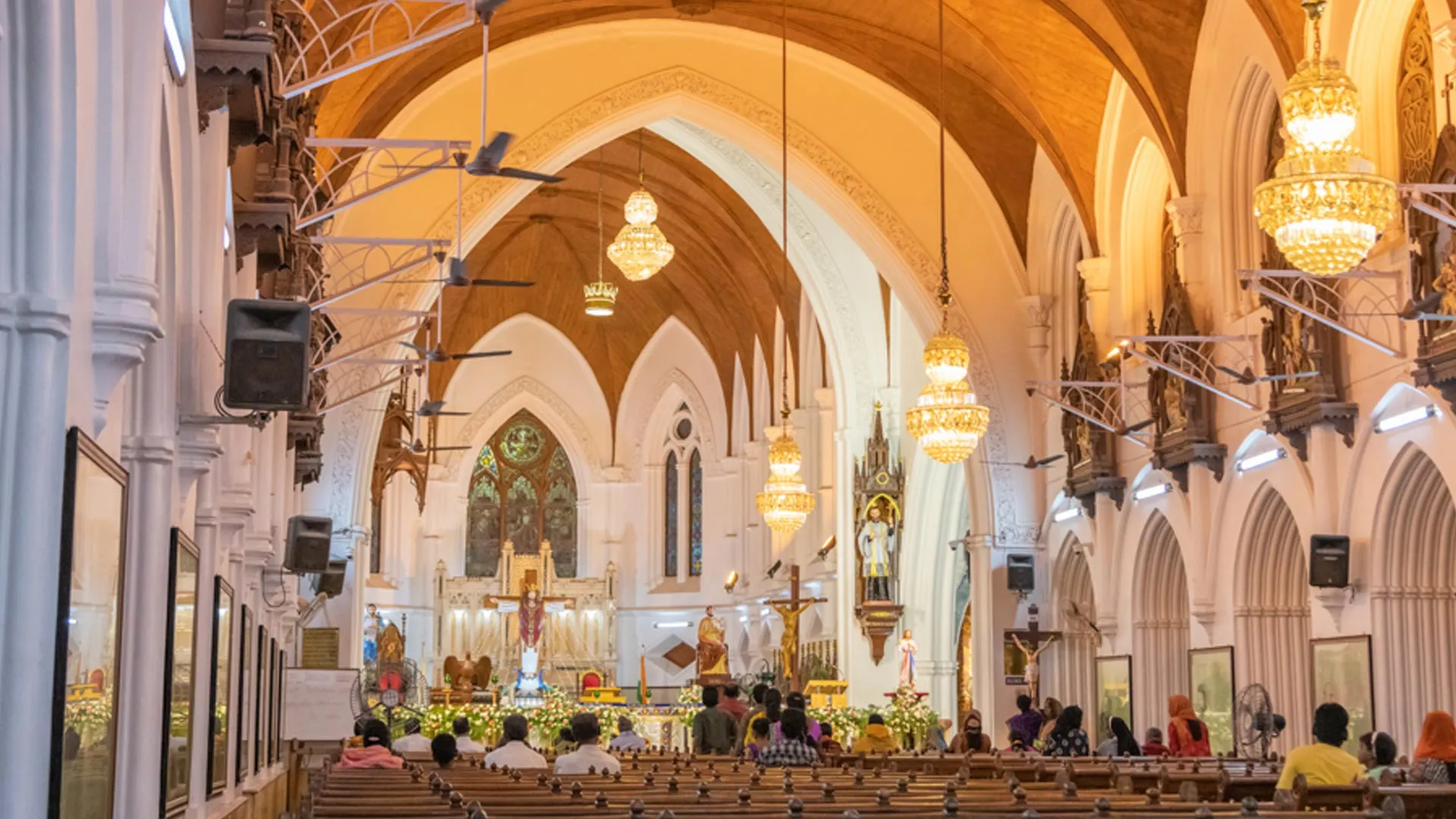
    These destinations are in close proximity to Government Museum, Chennai and can be visited on the same trip.

    Visit Information

    Opening Hours

    Monday - Friday9:30 AM to 5:00 PM
    Saturday9:30 AM to 5:00 PM
    Sunday9:30 AM to 5:00 PM

    Entry Fee

    Indian Visitorsโ‚น
    Foreign Visitorsโ‚นNaN

    Best Time to Visit

    November to February

    Location

    Chennai, Tamil Nadu

    Contact

    For inquiries: +91-44-2819-3238

    Back to all destinations

    Share this destination: