 Translate
Kailasanathar Temple
About Kailasanathar Temple
Introduction: The Oldest Structural Jewel of Kanchipuram
Situated in the historic city of Kanchipuram, Tamil Nadu, approximately 75 kilometers southwest of Chennai and 290 kilometers north of Tiruchirappalli (Trichy), Kailasanathar Temple is the oldest surviving structural temple in Kanchipuram. Built between 685 and 705 AD by the Pallava King Narasimhavarman II (famously known as Rajasimha) and completed by his son Mahendravarman III, this architectural masterpiece marks the historical transition of South Indian temple construction from rock-cut cave temples to free-standing sandstone structures.
Dedicated to Lord Shiva as Kailasanathar ("Lord of Mount Kailash"), the temple is celebrated for its sandstone carvings, multi-tiered pyramidal tower (*Vimanam*), and 58 sub-shrines built into the inner enclosure walls. Maintained under the care of the Archaeological Survey of India (ASI), it remains an extraordinary monument of early Dravidian heritage.
Key Highlights & Architectural Marvels
Kailasanathar Temple features ancient Pallava sandstone masonry, lion pillars, and unique circumambulation paths:
1. The Pyramid-Shaped Vimanam & Sandstone Carvings
The main sanctum features a four-tiered pyramidal tower (*Vimanam*) carved out of soft sandstone. The lower outer walls are lined with sculpted panels depicting various forms of Shiva, including *Udhava Tandava*, *Lingodbhava*, *Bhikshatana*, and *Dakshinamurthy*, accompanied by early Tamil Brahmi and Grantha royal inscriptions.
2. Yali Lion Pillars & 58 Enclosure Shrines
The inner courtyard is enclosed by a rectangular perimeter wall containing **58 small sub-shrines** dedicated to Shiva and Somaskanda aspects. The pillars supporting the verandah feature rearing **Yalis** (mythological lion-beasts), a signature motif of Pallava architectural design.
3. The Narrow Passage of Rebirth (Circumambulatory Path)
Inside the inner sanctum surrounding the 16-faceted black granite Shiva Lingam is a narrow, dark circumambulatory passage. Devotees enter by crawling through a narrow entryway (symbolizing birth), walk around the sanctum, and exit through a narrow doorway (symbolizing death and rebirth/liberation), believed to grant relief from future rebirth cycles.
4. Inspiration for Imperial Chola Architecture
When the Chola Emperor **Rajaraja Chola I** visited Kanchipuram, he was so awestruck by the beauty and proportions of Kailasanathar Temple that he called it *Kachipattu Periya Thali* ("The Great Temple of Kanchi") and used its blueprint as foundational inspiration to build the monumental Brihadeeswarar Temple in Thanjavur.
Key Highlights & Attraction Summary
- Oldest Kanchi Temple: Built in 685–705 AD by Pallava King Rajasimha (Narasimhavarman II).
- Dravidian Pioneer: Landmark transition from rock-cut caves to free-standing sandstone masonry.
- 58 Perimeter Shrines: Inner enclosure decorated with rearing Yali pillars and Somaskanda reliefs.
- Passage of Rebirth: Unique narrow inner passage symbolizing spiritual rebirth and liberation.
How to Reach Kailasanathar Temple
Located along Pillaiyarpalayam Road in western Kanchipuram, easily accessible via road and rail.
By Road (Car, Bus, or Taxi)
Kanchipuram is situated approximately 75 km southwest of Chennai (a 1.5 to 2-hour drive via NH 48). Frequent state transport (SETC) and express buses operate continuously from **Chennai CMBT** and **Trichy Central Bus Stand** to Kanchipuram Bus Stand, located just 2.5 km from the temple.
By Rail
Express and passenger trains operate regularly to **Kanchipuram Railway Station** (approx. 3 km from the temple), connecting to major junctions like Arakkonam and Chengalpattu.
Best Time to Visit
Operating hours, daily temperature patterns, and festival cycles govern optimal planning.
Opening Hours
The temple complex grounds are open daily from **06:00 AM to 12:00 PM** and **04:00 PM to 08:00 PM**.
Optimal Visiting Strategy & Major Festivals
Arrive early in the morning (**06:30 AM to 08:30 AM**) or late afternoon (**04:00 PM to 06:00 PM**) to inspect the delicate sandstone relief carvings in soft natural light before the stone courtyards heat up. The grandest annual event is **Maha Shivaratri** (February/March), when thousands of pilgrims visit for all-night prayers.
Things to Do at Kailasanathar Temple
- Inspect 7th-Century Pallava Sculptures: Walk around the 58 perimeter cells to view ancient stone carvings.
- Experience the Passage of Rebirth: Navigate the narrow inner sanctum corridor for the traditional rebirth ritual.
- Photograph Yali Pillars & Vimanam: Capture stunning architectural photos of the main sandstone tower and lawns.
- Explore Surrounding Kanchi Monuments: Combine your visit with **Ekambaranatha Temple** and **Kamakshi Amman Temple**.
Essential Rules and Visitor Guidelines
- Modest Temple Dress Code: Shoulders, chest, and knees must be fully covered. Traditional attire (Dhoti, Saree, or Chudidhar) is recommended.
- Remove Footwear Outside: Footwear must be deposited at designated counters outside the entrance gopuram before stepping onto the temple grounds.
- Preserve ASI Heritage: Do not touch, lean on, or scratch delicate 1,300-year-old sandstone carvings and inscriptions.
Frequently Asked Questions (FAQs)
1. Where is Kailasanathar Temple located?
It is located in Pillaiyarpalayam, Kanchipuram, Tamil Nadu, India, about 75 km southwest of Chennai.
2. Who built Kailasanathar Temple and when?
It was built by the Pallava King **Narasimhavarman II (Rajasimha)** between **685 and 705 AD** and completed by his son Mahendravarman III.
3. Why is the temple historically significant?
It is the **oldest structural temple in Kanchipuram** and served as the primary architectural inspiration for Rajaraja Chola's Tanjore Big Temple.
4. What are the operating hours?
Open daily from **06:00 AM to 12:00 PM** and **04:00 PM to 08:00 PM**.
5. Is there an entrance fee?
No, entry to the ASI-protected temple complex is completely **FREE** for all visitors.
Conclusion
Kailasanathar Temple stands out as South India's ultimate monument of early Pallava artistic genius, where 1,300-year-old sandstone vimanams, 58 perimeter Yali shrines, narrow rebirth passages, and foundational Dravidian architecture converge in Kanchipuram. From exploring ancient stone panels to navigating the inner sanctum passage, Kailasanathar Temple delivers an unmissable heritage journey. Dress modestly, visit during peaceful morning hours, and explore Kailasanathar Temple Kanchipuram!
Photo Gallery
What you'll experience
- 1
Ancient architecture
- 2
Shiva darshan
- 3
Pilgrimage
- 4
Sculpture viewing
- 5
Spiritual rituals
Nearby Destinations
These destinations are in close proximity to Kailasanathar Temple and can be visited on the same trip.
Related Destinations
Brihadeeswarar Temple
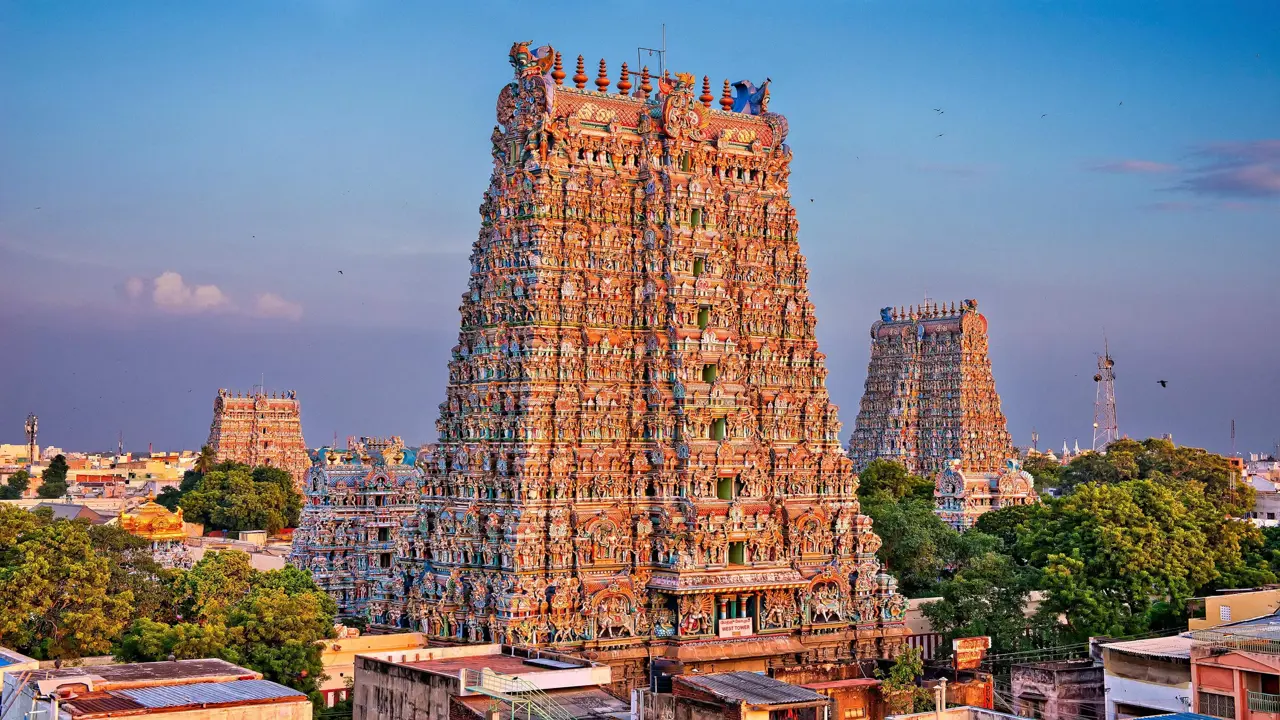
Meenakshi Amman Temple
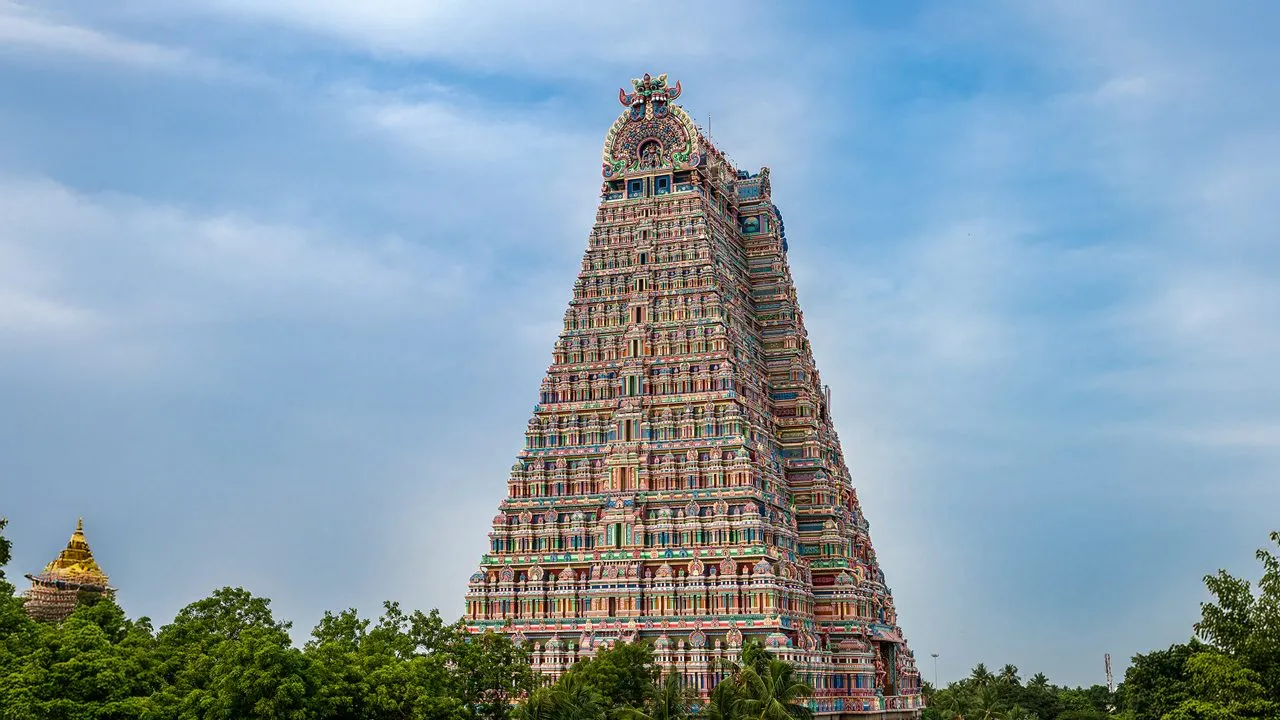
Sri Ranganatha Swamy Temple
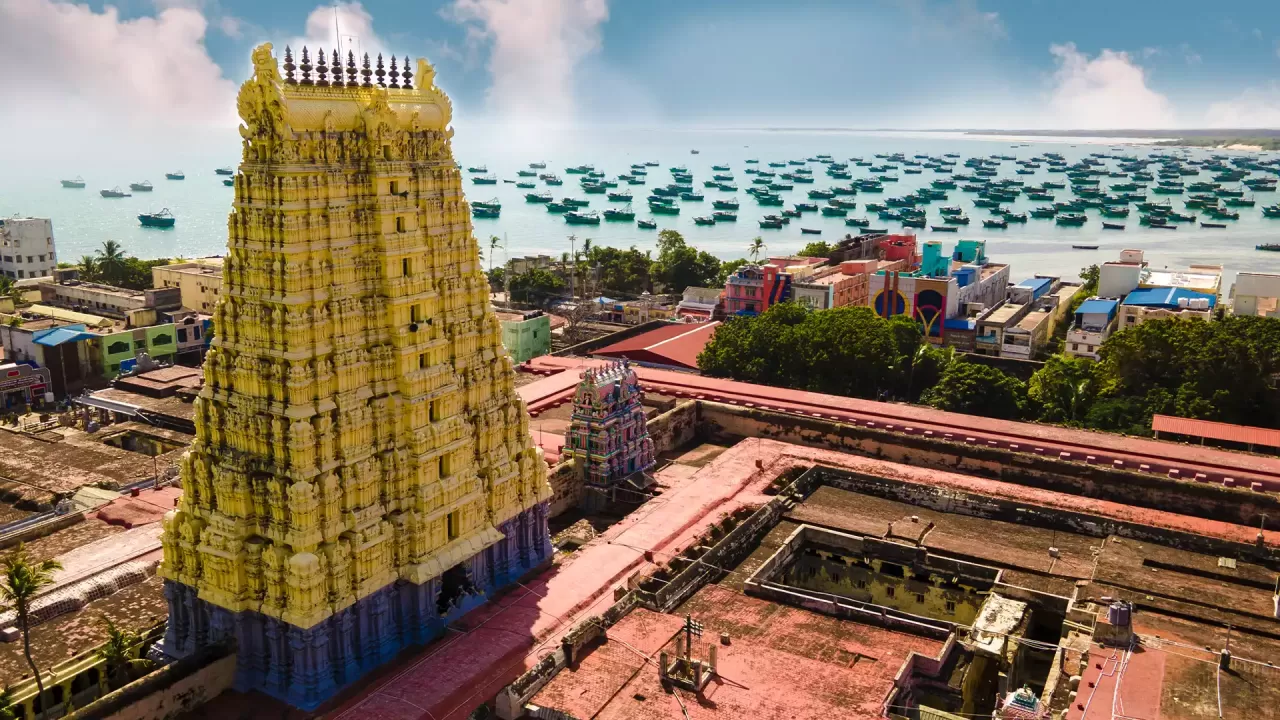
Sri Arulmigu Ramanathaswamy Temple
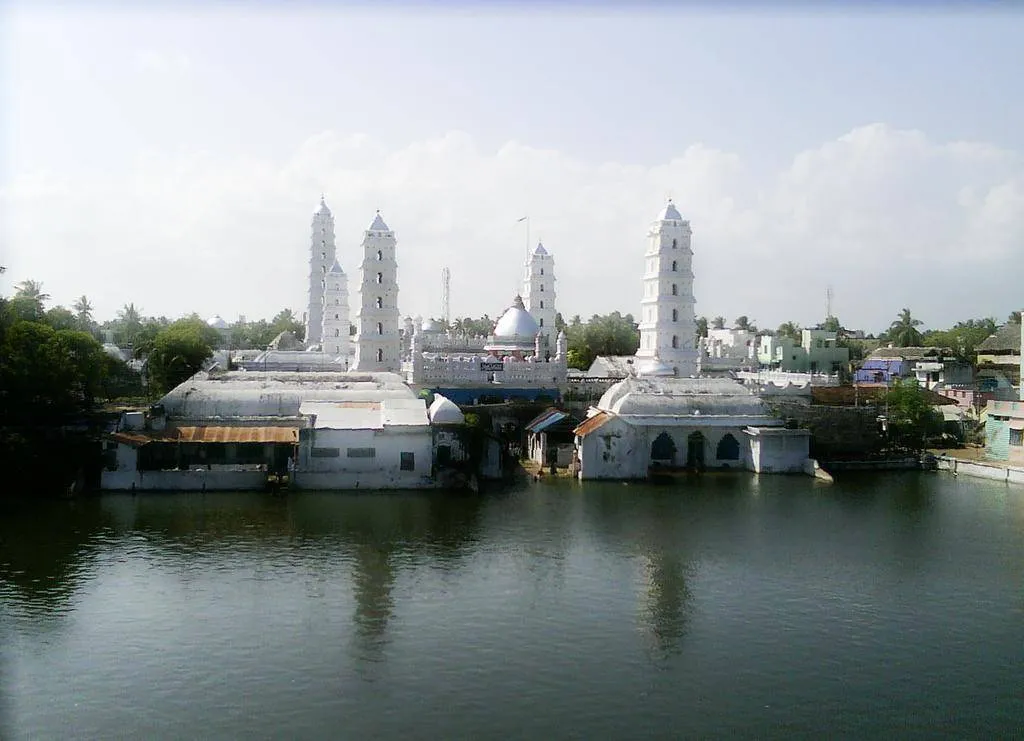
Nagore Dargah
Velankanni Church
Ekambaranatha Temple
Sri Airavatesvara Temple
Visit Information
Opening Hours
Entry Fee
Best Time to Visit
November to February
Location
Kanchipuram, Tamil Nadu
Contact
For inquiries: NA
Share this destination:
