 Translate
Koonthankulam Bird Sanctuary
About Koonthankulam Bird Sanctuary
Introduction: Southern Tamil Nadu's Community-Protected Avian Haven
Situated in the Nanguneri taluk of Tirunelveli district, Tamil Nadu, approximately 280 kilometers (a 5.5-hour drive) south of Tiruchirappalli (Trichy) and 38 kilometers from Tirunelveli city, the Koonthankulam Bird Sanctuary (also spelled Kunthankulam Bird Sanctuary) is one of South India's largest and most famous breeding reserves for migratory waterbirds. Officially designated as an international **Ramsar Wetland Site**, this 320-acre (129-hectare) eco-sanctuary encompasses natural irrigation tanks, acacia woodland canopies, and surrounding village agricultural fields.
What makes Koonthankulam truly unique on the global conservation map is its remarkable human-wildlife co-existence: for over a century, the local villagers of Koonthankulam have actively protected the migratory birds, considering their arrival a sacred harbinger of good agricultural harvest and strictly prohibiting crackers or noise that might disturb nesting colonies.
Key Attractions & Avian Highlights
The sanctuary combines dense acacia breeding canopies, community conservation traditions, and high avian diversity:
1. Massive Painted Stork & Pelican Nesting Colonies
Every winter, over 100,000 birds representing more than 43 migratory species converge on Koonthankulam. The submerged **Acacia nilotica** trees and village backyard neem trees become densely packed with nesting colonies of **Painted Storks** and **Spot-billed Pelicans**, creating an extraordinary spectacle of noisy, active bird rearing.
2. Major Migratory & Resident Waterfowl
Koonthankulam shelters a diverse assemblage of international and domestic avian species:
* **Storks & Pelicans:** Painted Storks, Asian Openbill Storks, Spot-billed Pelicans, and Black Storks.
* **Geese & Ducks:** Bar-headed Geese, Northern Pintails, Garganeys, Eurasian Wigeons, and Comb Ducks.
* **Ibises, Herons & Flamingos:** Black-headed Ibises, Glossy Ibises, Eurasian Spoonbills, Greater Flamingos, Night Herons, and Indian Darters.
3. Lake Bund Walkway & Observation Watchtowers
The Tamil Nadu Forest Department maintains an elevated walking path along the lake embankment, complemented by multiple **observation watchtowers** equipped with viewing balconies and binoculars for close-up views of nesting pairs without disturbing the nests.
4. Interpretation Center & Village Sanctuary Heritage
An on-site interpretation center provides educational panels detailing bird migration pathways along the Central Asian Flyway, alongside displays highlighting the historical role of local village custodians in protecting the wetland environment.
Key Highlights & Attraction Summary
- 320-Acre Ramsar Wetland Site: Globally recognized bird sanctuary located 38 km from Tirunelveli.
- Community Conservation Model: Famous local tradition of villagers actively safeguarding nesting birds.
- 100,000+ Annual Migratory Waterfowl: Major breeding stronghold for Painted Storks and Pelicans.
- Lake Bund & Watchtowers: Paved walking bund equipped with viewing towers for birdwatching and photography.
How to Reach Koonthankulam Bird Sanctuary
Located in Tirunelveli district, easily accessible via road networks from Tirunelveli or Nanguneri.
By Road from Trichy, Tirunelveli, or Madurai (Car, Bus, or Taxi)
Driving from Trichy via Madurai and Tirunelveli takes roughly 5.5 hours (approx. 280 km). Driving from **Tirunelveli city base** via the Nanguneri road takes about 45 minutes to 1 hour (approx. 38 km). Frequent state transport (TNSTC) buses operate daily from Tirunelveli Central Bus Stand and Nanguneri directly to Koonthankulam village.
By Rail & Airport
The nearest railway stations are **Nanguneri Railway Station** (approx. 15 km away) and **Tirunelveli Junction (TEN)** (approx. 38 km away). The nearest airports are **Tuticorin Airport (TCR)** (approx. 60 km) and **Madurai International Airport (IXM)** (approx. 190 km).
Best Time to Visit
Peak breeding seasons, water levels, and daily operating hours govern optimal travel planning.
Operating Hours, Entry Fees & Best Season
The sanctuary is open daily during the migratory season from **06:00 AM to 06:00 PM**. Entry fees are nominal (approx. **₹25 for Adults** and **₹10 for Children**; basic camera charges apply).
Optimal Visiting Strategy
The absolute best months to visit Koonthankulam are from **December to April** (nesting activity peaks between January and March). Plan your visit early in the morning between **06:30 AM and 09:30 AM** or late in the afternoon from **04:00 PM to 05:30 PM** when parent birds actively return to feed their chicks.
Things to Do at Koonthankulam
- Spot Nesting Storks & Pelicans: Use binoculars to watch thousands of Painted Storks and Pelicans rearing their young in tree canopies.
- Walk the Village Sanctuary Trails: Observe birds nesting peacefully on trees located right inside village courtyards.
- Climb the Observation Watchtowers: Capture panoramic photographs of the lake and nesting colonies.
- Combine with Nearby Attractions: Pair your visit with **Kalakkadu Wildlife Sanctuary** (45 km away) or **Nanguneri Totadri Temple** (15 km away).
Essential Rules and Visitor Guidelines
- Respect Village Quietude: Maintain strict silence and avoid loud talking or music—noise disturbs nesting parent birds and disrupts chick feeding.
- Strict No-Firecracker Zone: Honor the centuries-old local tradition—never use noise-making devices, air horns, or flash photography.
- Bring Personal Optics: Carry telephoto lenses or personal binoculars for high-quality bird observation from watchtower balconies.
- Preserve Wetland Environment: Single-use plastics are strictly banned—dispose of all food packaging and water bottles in designated entrance bins.
Frequently Asked Questions (FAQs)
1. Where is Koonthankulam Bird Sanctuary located?
It is located in the Nanguneri taluk of Tirunelveli district, Tamil Nadu, India, about 15 km from Nanguneri, 38 km from Tirunelveli city, and 280 km south of Trichy.
2. What makes Koonthankulam unique?
It is world-famous for its unique community conservation model, where local villagers actively protect migratory birds nesting in their village and fields.
3. What is the best time of year to visit?
The best time to visit is from **December to April**, with peak breeding activity occurring between January and March.
4. Is Koonthankulam a Ramsar Wetland Site?
Yes, Koonthankulam is officially designated as an international **Ramsar Wetland Site** for its ecological importance in waterbird conservation.
5. How long does a visit to Koonthankulam take?
A typical visit takes **2 to 3 hours** to walk the lake bund, explore village nesting trees, and observe bird colonies from watchtowers.
Conclusion
Koonthankulam Bird Sanctuary stands out as southern Tamil Nadu's premier avian sanctuary, where Ramsar international wetland status, 320 acres of acacia nesting canopies, over 100,000 annual migratory waterbirds, and inspirational community conservation traditions converge. From observing Painted Storks and Spot-billed Pelicans in village backyards to taking quiet morning walks along the lake bund, Koonthankulam delivers an unmissable nature experience. Bring binoculars, plan a visit between December and April, start early by 07:00 AM, and explore Koonthankulam Bird Sanctuary!
Photo Gallery
What you'll experience
- 1
Birdwatching
- 2
Community interaction
- 3
Photography
- 4
Nature walks
Nearby Destinations
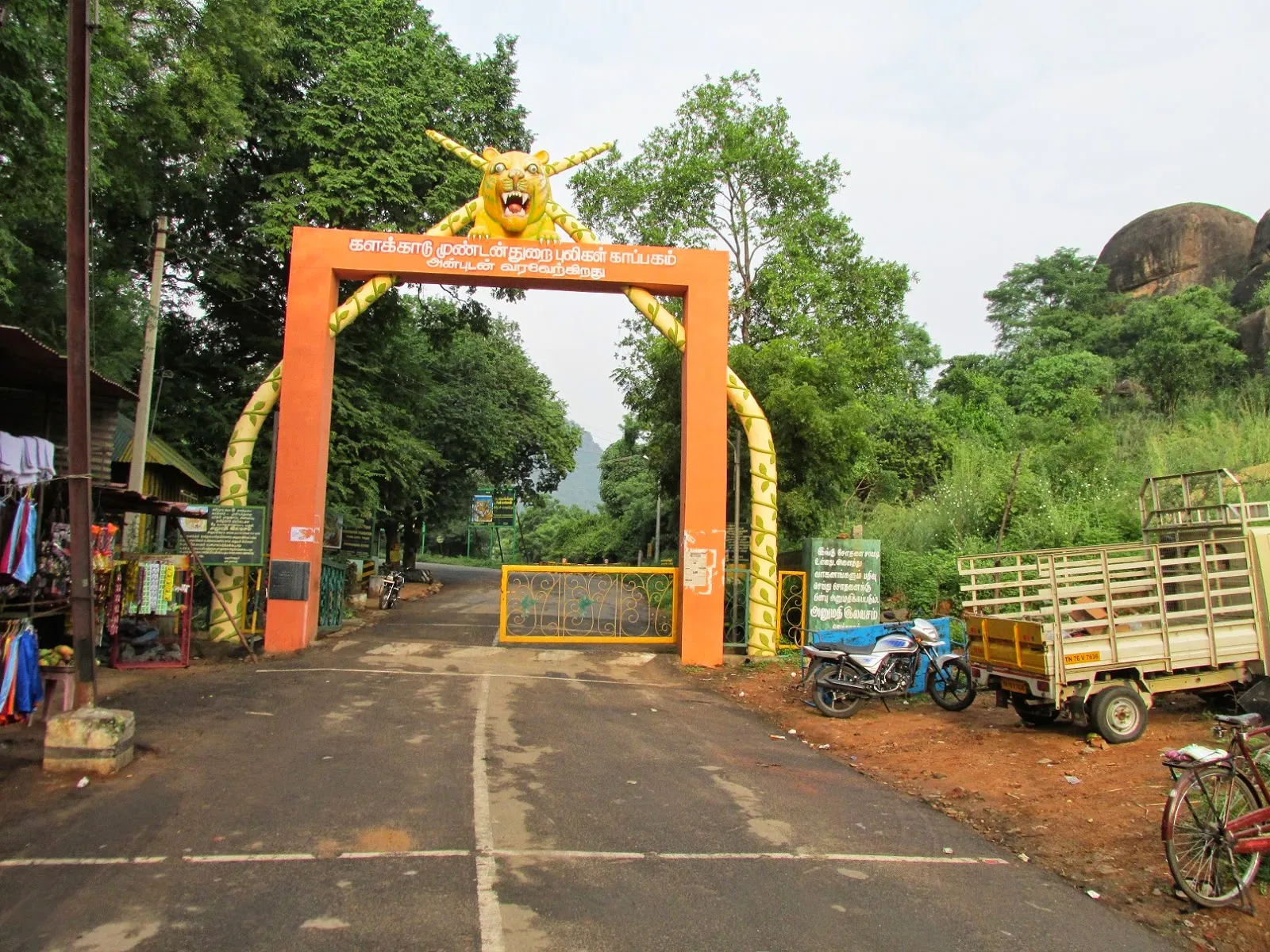
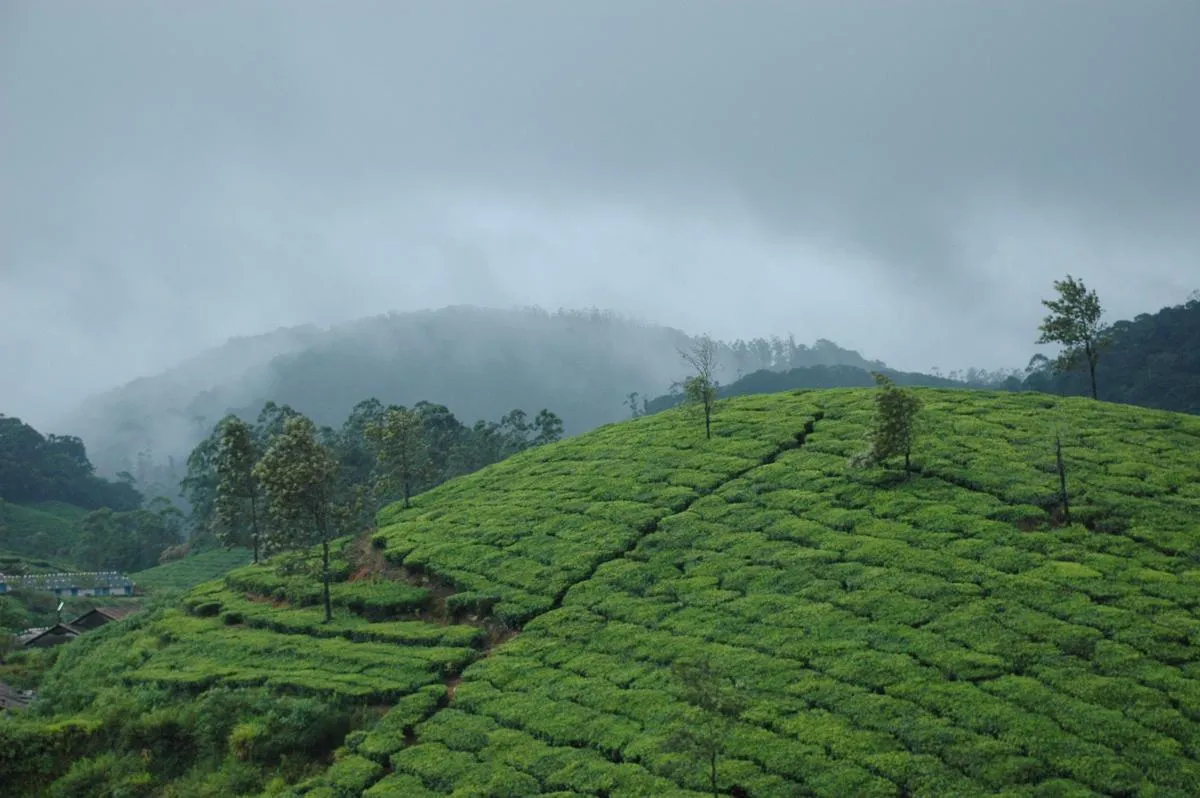
These destinations are in close proximity to Koonthankulam Bird Sanctuary and can be visited on the same trip.
Related Destinations







Visit Information
Opening Hours
Entry Fee
Best Time to Visit
December to March
Location
Tirunelveli District, Tamil Nadu
Contact
For inquiries: +91-4635-222345
Share this destination:
