 Translate
Parvathamalai Hills
About Parvathamalai Hills
Introduction: The Mystical Sacred Peak of Siddhas
Situated in the Tiruvannamalai district of Tamil Nadu, approximately 190 kilometers (a 4-hour drive) north of Tiruchirappalli (Trichy) and 35 kilometers off the pilgrimage town of Tiruvannamalai (near Kadaladi village), Parvathamalai Hills (also known as Parvatha Hills) is an ancient, mystery-shrouded mountain peak of the Eastern Ghats. Rising to an elevation of approximately 4,560 feet (1,390 meters) above sea level, Parvathamalai is celebrated across South India as one of the most sacred, adventurous, and spiritually charged trekking destinations.
Revered as a haven of Siddha sages, yogis, and medicinal herbs, the mountain features an ancient self-manifested (Swayambhu) Lord Shiva shrine atop its sheer vertical summit, accessible only via a thrilling climb that includes iron ladder rungs, chain holds, and narrow rock ledges.
Key Highlights & Spiritual Trekking Features
The mountain combines an intense physical trek, dramatic rock climbs, and centuries-old spiritual traditions:
1. The Thrilling Summit Climb (Kadaparai Path)
The ultimate attraction for trekkers and pilgrims is the final vertical ascent known as **Kadaparai** (Iron Crowbar / Ladder path). After hiking through forest trails and stone steps, the last stretch requires climbing sheer rock faces using iron rods, steel chains, and ladder rungs anchored directly into the cliff wall, offering an exhilarating rush and panoramic valley views.
2. Mallikarjuna Swamy Temple at the Peak
Perched directly on the narrow summit peak is the ancient **Mallikarjuna Swamy and Bhramarambigai Temple**, believed to be over 2,000 years old. A unique tradition here allows devotees to perform pooja, abhishekam, and rituals directly to the Lingam themselves without priest intermediaries.
3. Siddha Heritage & Sanjeevani Legend
Local belief holds that Parvathamalai is a sacred fragment of the *Sanjeevani Parvat* carried by Lord Hanuman. The dense forests along the slopes harbor rare medicinal Siddha herbs, and pilgrims frequently report experiencing intense spiritual energy and night light sightings attributed to Siddha sages residing invisibly on the hill.
4. Night Trekking Tradition & Sunrise Vistas
Due to daytime sun heat on the exposed rock face, **night trekking** is exceptionally popular at Parvathamalai. Guided by moonlight, torches, and solar trail lamps, thousands of devotees trek overnight to reach the summit by dawn, witnessing spectacular sunrises over mist-covered Eastern Ghats valleys.
Key Highlights & Attraction Summary
- 4,560ft Sacred Mountain Peak: Located 35 km from Tiruvannamalai near Kadaladi village.
- Kadaparai Iron Ladder Climb: Thrilling vertical rock ascent using anchored iron rods and chains.
- 2,000-Year-Old Summit Temple: Self-service worship shrine dedicated to Lord Mallikarjuna Swamy.
- Famous Night Trekking Route: Overnight mountain pilgrimage rewarding hikers with sunrise cloud-bed views.
How to Reach Parvathamalai Hills
Located near Kadaladi / Thenmathimangalam village in Tiruvannamalai district, accessible via road transit.
By Road from Trichy, Tiruvannamalai, or Chennai (Car, Bus, or Bike)
Driving from Trichy via Perambalur, Kallakurichi, and Tiruvannamalai takes roughly 4 hours (approx. 190 km). Driving from **Tiruvannamalai town** toward Polur / Kadaladi takes about 45 minutes (approx. 35 km). Regular state transport (TNSTC) buses run continuously from Tiruvannamalai, Polur, and Chengam to **Thenmathimangalam / Kadaladi base stop**, from where auto-rickshaws reach the trek start point.
By Rail
The nearest railway station is **Tiruvannamalai Railway Station (TNM)** (approx. 35 km away) and **Polur Railway Station** (approx. 20 km away), connected by continuous bus services.
Best Time to Visit
Weather conditions, full moon (Pournami) events, and safety factors govern optimal trek planning.
Ideal Season & Timings
The best time to visit Parvathamalai is during the cooler months from **October to March**. **Pournami (Full Moon)** nights attract large crowds of night trekkers. Night treks usually begin around **10:00 PM to 12:00 AM** from the base to reach the summit for the 06:00 AM sunrise.
Optimal Visiting Strategy
Plan a **1 to 2-day trip** by pairing Parvathamalai with a visit to the **Annamalaiyar Temple** in Tiruvannamalai. Wear proper grip footwear, carry flashlights, and start your trek either late at night or early morning by **05:00 AM** to avoid mid-day heat on the open rock face.
Things to Do at Parvathamalai
- Experience the Kadaparai Iron Climb: Conquer the thrilling vertical rock ladder to reach the summit.
- Perform Personal Rituals at Summit Temple: Perform your own abhishekam at the ancient Shiva shrine.
- Watch the Horizon Sunrise: Enjoy 360-degree views of morning clouds and surrounding forest valleys.
- Experience Overnight Moonlight Trekking: Join fellow pilgrims on an overnight trek illuminated by moonlight and lanterns.
Essential Rules and Visitor Guidelines
- Physical Fitness Required: The trek spans 8 to 9 km (approx. 3 to 5 hours one way) with steep vertical climbs—not recommended for young children, elderly individuals, or those with severe vertigo/cardiac issues.
- Carry Sufficient Water & Supplies: Pack adequate drinking water, glucose, and energy snacks; carry reliable flashlights/headlamps for night treks.
- Exercise Safety on Kadaparai Rungs: Hold firmly to iron chains and ladders during the vertical ascent; avoid rushing or overtaking on narrow cliff edges.
- Preserve Mountain Ecology: As a holy and pristine forest mountain, strictly refrain from littering plastic bottles, wrappers, or glass containers.
Frequently Asked Questions (FAQs)
1. Where is Parvathamalai located?
It is located near Kadaladi village in the Tiruvannamalai district of Tamil Nadu, India, about 35 km from Tiruvannamalai town and 190 km north of Trichy.
2. What is Kadaparai at Parvathamalai?
Kadaparai is the final, vertical cliff section of the trek where hikers climb using iron ladder rungs, rods, and steel chains fixed into the rock wall.
3. How long does the Parvathamalai trek take?
The trek takes approximately **3 to 5 hours uphill** and 2 to 3 hours downhill, depending on individual fitness and crowd levels.
4. Is night trekking allowed?
Yes, night trekking is very popular, especially on full moon (Pournami) nights, allowing hikers to reach the peak for sunrise.
5. Can devotees perform their own pooja at the summit shrine?
Yes, a unique spiritual tradition at the Mallikarjuna Swamy summit temple allows visitors to touch and perform rituals directly to the deity.
Conclusion
Parvathamalai Hills Tiruvannamalai stands out as Tamil Nadu's ultimate spiritual adventure mountain, where 4,560-foot Eastern Ghats elevations, thrilling iron-ladder cliff climbs, ancient 2,000-year-old Shiva summit shrines, and mystical night trekking traditions converge. From holding the chains up Kadaparai to watching the golden sunrise over mist-shrouded valleys, Parvathamalai delivers an unmissable adventure. Carry sturdy shoes, hold fast to the climb chains, and explore Parvathamalai Hills Tiruvannamalai!
Photo Gallery
What you'll experience
- 1
Spiritual trekking
- 2
Sunrise view
- 3
Hilltop Shiva temple
- 4
Meditation
- 5
Forest path hike
Nearby Destinations
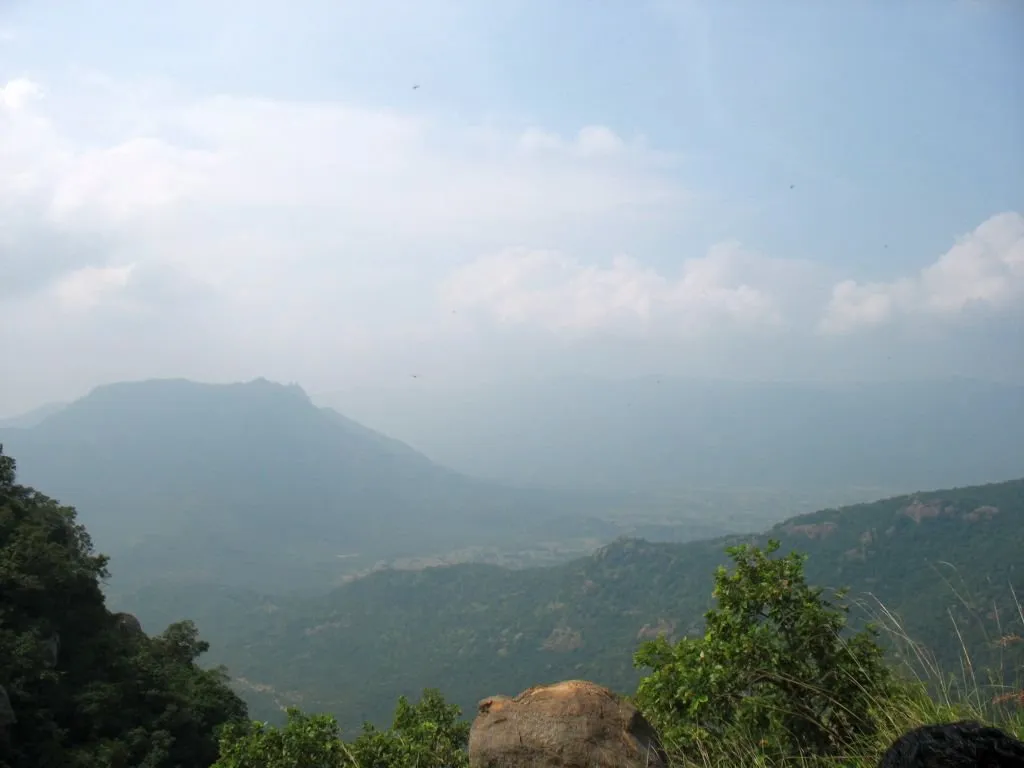
These destinations are in close proximity to Parvathamalai Hills and can be visited on the same trip.
Related Destinations
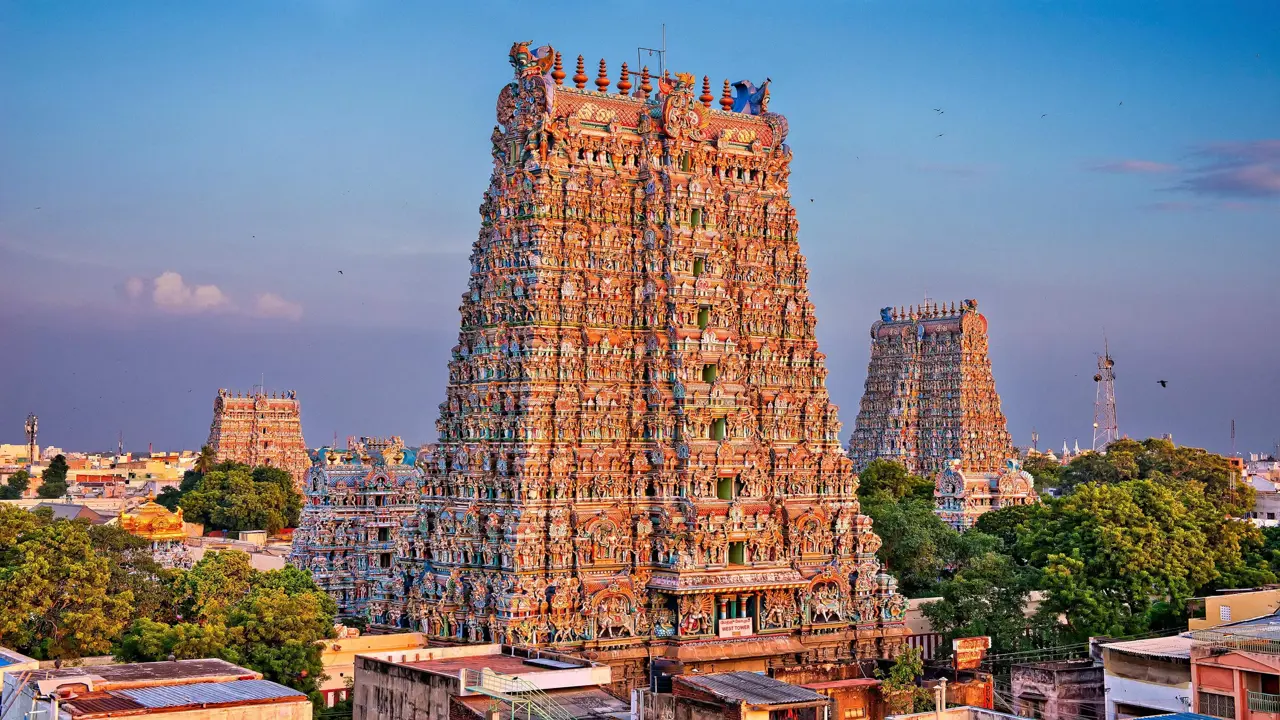
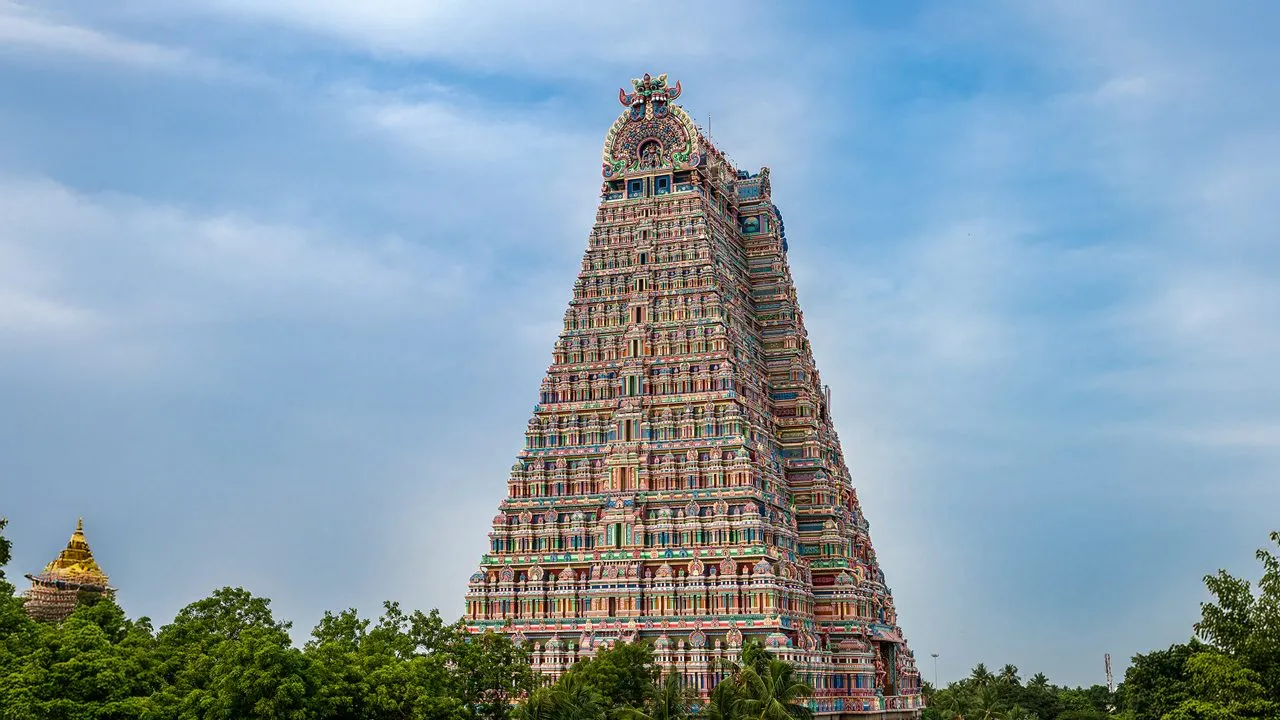
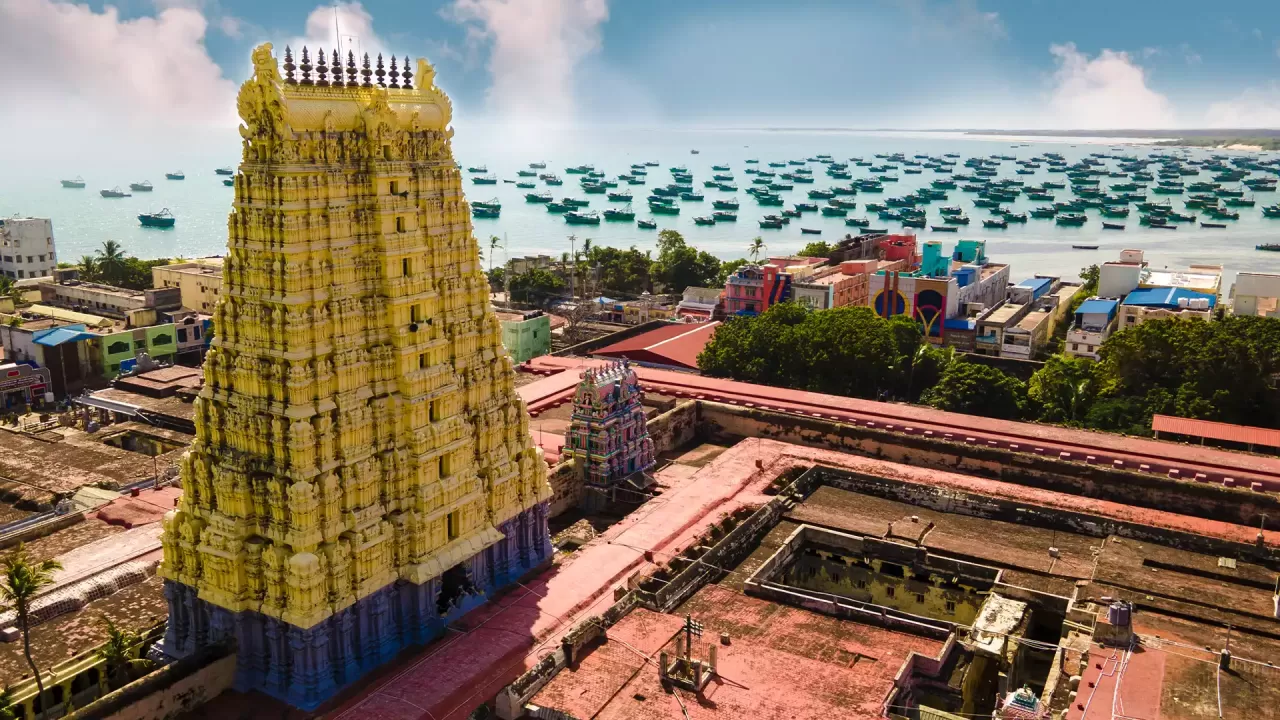

Visit Information
Opening Hours
Entry Fee
Best Time to Visit
November to February
Location
Tiruvannamalai District, Tamil Nadu
Contact
For inquiries: NA
Share this destination:
