 Translate
Pichavaram Mangrove Forest
About Pichavaram Mangrove Forest
Pichavaram Mangrove Forest – Asia's Second Largest Mangrove Ecosystem
Pichavaram Mangrove Forest in Cuddalore District, Tamil Nadu, stands as Asia's second-largest mangrove ecosystem and one of the most pristine wetland habitats in India. Sprawling across 1,100 hectares of intricate waterways, dense mangrove vegetation, and diverse wildlife, this UNESCO-recognized biosphere reserve offers visitors from India, the UK, US, and worldwide an extraordinary journey through one of nature's most complex and vital ecosystems. From serene boat rides through emerald canals to birdwatching expeditions, Pichavaram represents the perfect fusion of ecological conservation and eco-tourism.
🌍 Ecological Significance & Global Importance
The Pichavaram ecosystem plays a crucial role in coastal protection, carbon sequestration, and marine biodiversity conservation, making it a globally significant environmental treasure.
| Ecological Feature | Specification | Global Significance |
|---|---|---|
| Total Area | 1,100 hectares | Asia's 2nd largest mangrove forest |
| Mangrove Species | 15+ different varieties | Highest diversity in Tamil Nadu |
| Waterway Network | 4,400+ canals and creeks | Most complex aquatic labyrinth in India |
| Carbon Storage | 200+ tons per hectare | Critical carbon sink for climate change |
| Breeding Grounds | 300+ fish species | Major marine nursery in Bay of Bengal |
| Bird Species | 200+ resident & migratory | Important Bird Area (IBA) status |
🚤 Boat Safari Experience: Nature's Water Maze
The signature experience at Pichavaram involves navigating through narrow waterways in traditional boats, offering intimate encounters with pristine mangrove ecosystems.
Boat Safari Options:
- Row Boat Safari: Traditional manual boats for intimate, quiet exploration (₹150-250/hour)
- Motor Boat Tours: Faster coverage of larger areas with guide commentary (₹300-500/hour)
- Kayaking Adventures: Self-paddled exploration for adventure enthusiasts (₹400-600/person)
- Sunset Cruises: Evening boat rides with spectacular photography opportunities
- Photography Tours: Specialized boats with stable platforms for wildlife photography
Route Highlights:
- Tunnel Waterways: Navigate through natural green tunnels formed by overhanging mangroves
- Open Lagoons: Expansive water bodies perfect for birdwatching and photography
- Narrow Creeks: Intimate channels where you can touch mangrove roots
- Observation Points: Strategic stops for wildlife viewing and ecosystem education
- Fishing Villages: Glimpses of traditional coastal communities
🦅 Avian Paradise: Birdwatching Capital
Pichavaram serves as a critical stopover for migratory birds and a permanent home to numerous resident species, making it one of India's premier birdwatching destinations.
Resident Bird Species:
- Painted Stork: Large wading birds with distinctive bill markings
- Spot-billed Pelican: Endangered species found in significant numbers
- Darter (Snake Bird): Skilled underwater fishing birds
- Little Cormorant: Excellent diving birds abundant in waterways
- Grey Heron: Majestic wading birds in shallow waters
- White-breasted Kingfisher: Colorful fishing birds along canal banks
Migratory Visitors (October-March):
- Flamingos: Large flocks create pink spectacles in open areas
- Siberian Cranes: Rare visitors from Arctic regions
- Pintail Ducks: Graceful waterfowl in large numbers
- Sandpipers: Shore birds feeding along mudflats
- Terns & Gulls: Various coastal species from northern regions
Best Birdwatching Times:
| Time Period | Bird Activity | Species Count | Photography Conditions |
|---|---|---|---|
| Early Morning (6-9 AM) | Peak feeding activity | 150+ species | Golden hour lighting |
| Late Afternoon (4-6 PM) | Return from feeding | 120+ species | Excellent backlighting |
| Winter Months (Dec-Feb) | Migratory peak season | 200+ species | Clear visibility |
| Monsoon Season (Jul-Sep) | Breeding activities | 100+ species | Dramatic skies |
🌱 Mangrove Ecosystem: Nature's Engineering Marvel
The mangrove ecosystem at Pichavaram represents one of nature's most sophisticated environmental systems, perfectly adapted to thrive in saltwater conditions.
Mangrove Species Diversity:
- Rhizophora (Red Mangrove): Distinctive prop roots creating underwater forests
- Avicennia (Black Mangrove): Pneumatophores (breathing roots) emerging from water
- Bruguiera: Knee-shaped roots and viviporous seed germination
- Ceriops: Small-leaved species forming dense thickets
- Lumnitzera: White-flowered mangroves preferring higher salinity
Ecosystem Functions:
- Coastal Protection: Natural barriers reducing tsunami and cyclone impact
- Water Filtration: Removing pollutants and excess nutrients from water
- Carbon Sequestration: Storing 3-5 times more carbon than tropical forests
- Nursery Habitat: Breeding grounds for commercially important fish
- Biodiversity Support: Complex food webs supporting numerous species
🐟 Marine Biodiversity: Underwater Life
Fish Species:
- Mudskippers: Amphibious fish climbing mangrove roots
- Milkfish: Commercially important species breeding in mangroves
- Mullets: Herbivorous fish feeding on algae and detritus
- Snappers: Predatory fish using mangroves as nurseries
- Prawns & Shrimp: Abundant crustaceans supporting local fisheries
Other Marine Life:
- Mud Crabs: Important commercial species and ecosystem engineers
- Horseshoe Crabs: Ancient arthropods indicating healthy ecosystems
- Sea Snakes: Adapted reptiles occasionally spotted in deeper waters
- Mollusks: Various shell species attached to mangrove roots
📸 Photography Paradise: Capturing Natural Beauty
Photography Opportunities:
- Aerial Perspectives: Drone photography showcasing canal patterns (with permits)
- Wildlife Portraits: Close-ups of birds, crabs, and fish
- Landscape Compositions: Mangrove tunnels and open water reflections
- Sunrise/Sunset: Golden hour lighting through mangrove branches
- Macro Photography: Details of mangrove flowers, seeds, and roots
Photography Tips:
- Equipment Protection: Waterproof gear essential for boat trips
- Telephoto Lenses: 300-600mm lenses ideal for bird photography
- Polarizing Filters: Reduce water glare and enhance colors
- Silent Mode: Avoid disturbing wildlife with camera sounds
- Local Guides: Essential for finding best photography locations
🎯 Adventure Activities & Eco-Tourism
Adventure Options:
- Mangrove Trekking: Guided walks on elevated boardwalks through dense vegetation
- Fishing Expeditions: Traditional and sport fishing in designated areas
- Nature Interpretation: Educational tours focusing on ecosystem functions
- Camping: Overnight stays in designated eco-camps (seasonal availability)
- Research Participation: Citizen science programs for conservation data collection
Educational Programs:
- School Excursions: Curriculum-based environmental education programs
- Wildlife Workshops: Specialized training in identification and behavior
- Conservation Talks: Lectures on mangrove ecology and climate change
- Traditional Knowledge: Learning from local fishing communities
🏞️ Visitor Infrastructure & Facilities
Entry Points & Access:
- Main Entrance: Pichavaram village with ticket counters and guides
- Boat Jetties: Multiple launching points for different tour routes
- Interpretation Center: Educational displays about mangrove ecosystems
- Parking Facilities: Adequate space for cars and tourist buses
- Restrooms: Clean facilities near entry points
Safety Measures:
- Life Jackets: Mandatory for all boat passengers
- Trained Boatmen: Experienced guides familiar with waterways
- Emergency Protocols: Communication systems and rescue procedures
- First Aid: Basic medical facilities available on-site
- Weather Monitoring: Tours cancelled during adverse conditions
🍽️ Local Cuisine & Seafood Specialties
Regional Delicacies:
- Fresh Crab Curry: Local mud crabs prepared with traditional spices
- Prawn Masala: Freshly caught prawns in coconut-based gravy
- Fish Fry: Various local fish species prepared with regional spices
- Mangrove Honey: Unique honey harvested from mangrove flowers
- Coconut Rice: Traditional preparation perfect for coastal climate
Dining Options:
- Coastal Restaurants: Family-run establishments serving authentic seafood
- Tourist Cafes: Simple eateries catering to visitor preferences
- Resort Dining: Upscale restaurants in nearby eco-resorts
- Beach Shacks: Casual dining with fresh catch of the day
🏨 Accommodation & Eco-Resorts
Eco-Resort Options:
- Mangrove Eco Resort: Sustainable accommodation within forest buffer (₹3,000-6,000/night)
- Backwater Resorts: Luxury stays overlooking water channels (₹5,000-12,000/night)
- Fisherman's Village Stays: Authentic community tourism experiences (₹1,000-3,000/night)
- Camping Sites: Organized camping with basic facilities (₹500-1,500/night)
Nearby Hotels:
- Cuddalore Hotels: Various accommodation options 30 km away (₹1,500-4,000/night)
- Chidambaram Stays: Heritage town accommodations 25 km distance (₹2,000-5,000/night)
- Pondicherry Resorts: French colonial charm 35 km away (₹3,000-15,000/night)
🚗 Transportation & Connectivity
Reaching Pichavaram:
- By Air: Pondicherry Airport (35 km) or Chennai International Airport (240 km)
- By Train: Chidambaram Railway Station (25 km) - Well connected to major cities
- By Road: NH 32 connects to Chennai, Pondicherry, and other major cities
- By Bus: Regular state transport services from Chennai, Pondicherry, Cuddalore
Local Transportation:
- Auto-rickshaws: Available from Chidambaram and nearby towns
- Taxi Services: Private cars and taxis for sightseeing
- Two-wheelers: Motorcycle rentals for independent exploration
- Cycle Rickshaws: Eco-friendly option within Pichavaram area
⏰ Best Time to Visit & Seasonal Guide
| Season | Months | Weather | Wildlife Activity | Advantages |
|---|---|---|---|---|
| Peak Winter | Dec-Feb | Pleasant (20-28°C) | Maximum migratory birds | Perfect weather, best birdwatching |
| Post-Monsoon | Oct-Nov | Comfortable (22-30°C) | Fresh vegetation, active wildlife | Lush green scenery, good visibility |
| Pre-Summer | Mar-May | Warm (25-35°C) | Breeding season activities | Fewer crowds, clear skies |
| Monsoon | Jun-Sep | Rainy (24-32°C) | Nesting and breeding peak | Dramatic landscapes, fewer tourists |
🌿 Conservation Efforts & Sustainability
Protection Measures:
- Biosphere Reserve Status: Protected under UNESCO Man and Biosphere Program
- Regulated Tourism: Visitor limits to prevent ecosystem damage
- Community Participation: Local involvement in conservation activities
- Research Programs: Ongoing studies on climate change impacts
- Restoration Projects: Replanting degraded mangrove areas
Visitor Responsibilities:
- No Littering: Carry back all waste and use designated disposal areas
- Wildlife Respect: Maintain safe distances and avoid disturbing animals
- Noise Control: Keep noise levels low to protect wildlife behavior
- Photography Ethics: No flash photography near nesting areas
- Guide Compliance: Follow all instructions from certified eco-guides
💡 Visitor Tips & Recommendations
Essential Preparations:
- Sun Protection: Waterproof sunscreen, hats, and protective clothing
- Insect Repellent: Protection against mosquitoes and other insects
- Binoculars: Essential for wildlife observation and birdwatching
- Water Bottles: Stay hydrated during boat tours
- Weather Apps: Monitor conditions before planning visits
Photography Equipment:
- Waterproof Camera Housing: Protection from spray and humidity
- Extra Batteries: Backup power for extended shooting sessions
- Memory Cards: Adequate storage for high-resolution images
- Cleaning Kit: Lens cleaning supplies for saltwater environments
📞 Contact Information & Resources
- Forest Department Office: +91-4144-249426
- Eco-Tourism Coordinator: +91-4144-249427
- Boat Association: +91-9443124567
- Emergency Services: Police 100, Medical Emergency 108
Official Resources:
🔚 Conclusion: Nature's Masterpiece Awaits
The Pichavaram Mangrove Forest stands as one of India's most extraordinary natural treasures, where the intricate beauty of mangrove ecosystems meets the thrill of wildlife exploration. This pristine wetland paradise offers visitors from around the world an unparalleled opportunity to witness nature's resilience, complexity, and beauty in its purest form.
Whether you're a nature photographer capturing the perfect bird shot, a family seeking adventure through emerald waterways, or an eco-conscious traveler supporting sustainable tourism, Pichavaram delivers experiences that inspire, educate, and rejuvenate. The forest's role as a critical climate change buffer and biodiversity hotspot makes every visit a contribution to conservation awareness and environmental stewardship.
Navigate through nature's water maze, witness the symphony of coastal wildlife, and discover why Pichavaram represents the perfect harmony between human appreciation and environmental protection. This mangrove wonderland awaits to share its secrets with all who approach with respect, curiosity, and wonder.
Photo Gallery
What you'll experience
- 1
Boat rides through mangroves
- 2
Birdwatching
- 3
Photography
- 4
Eco-tourism
Nearby Destinations
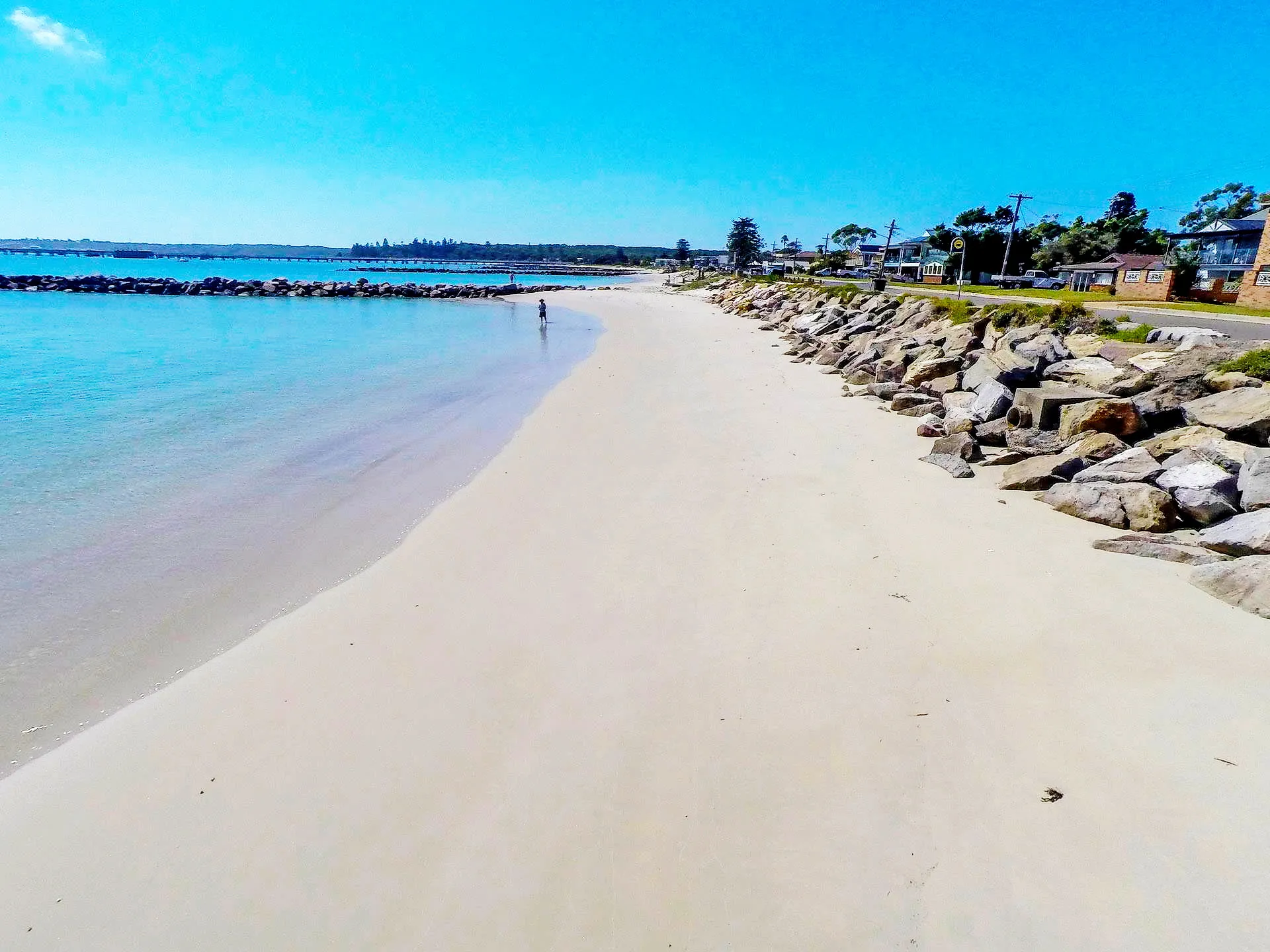
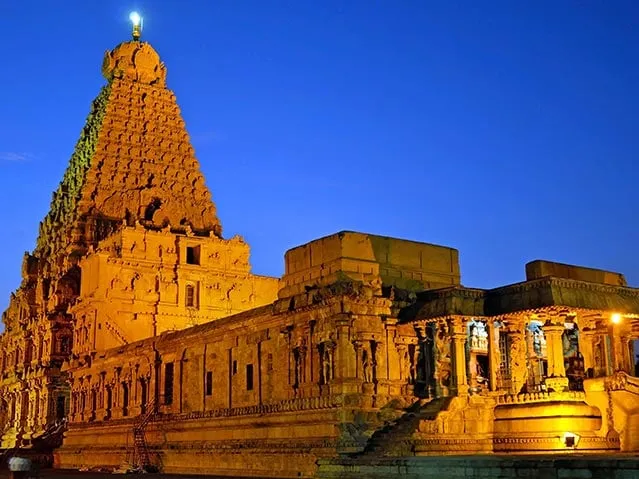
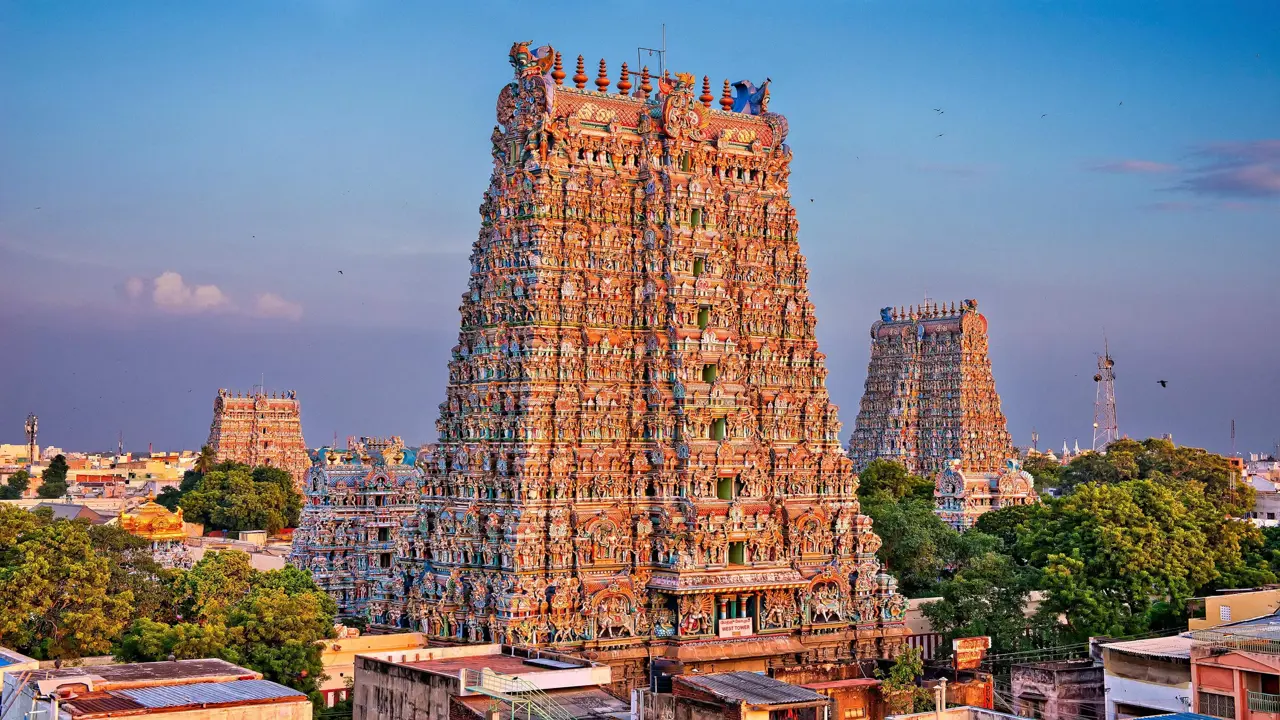
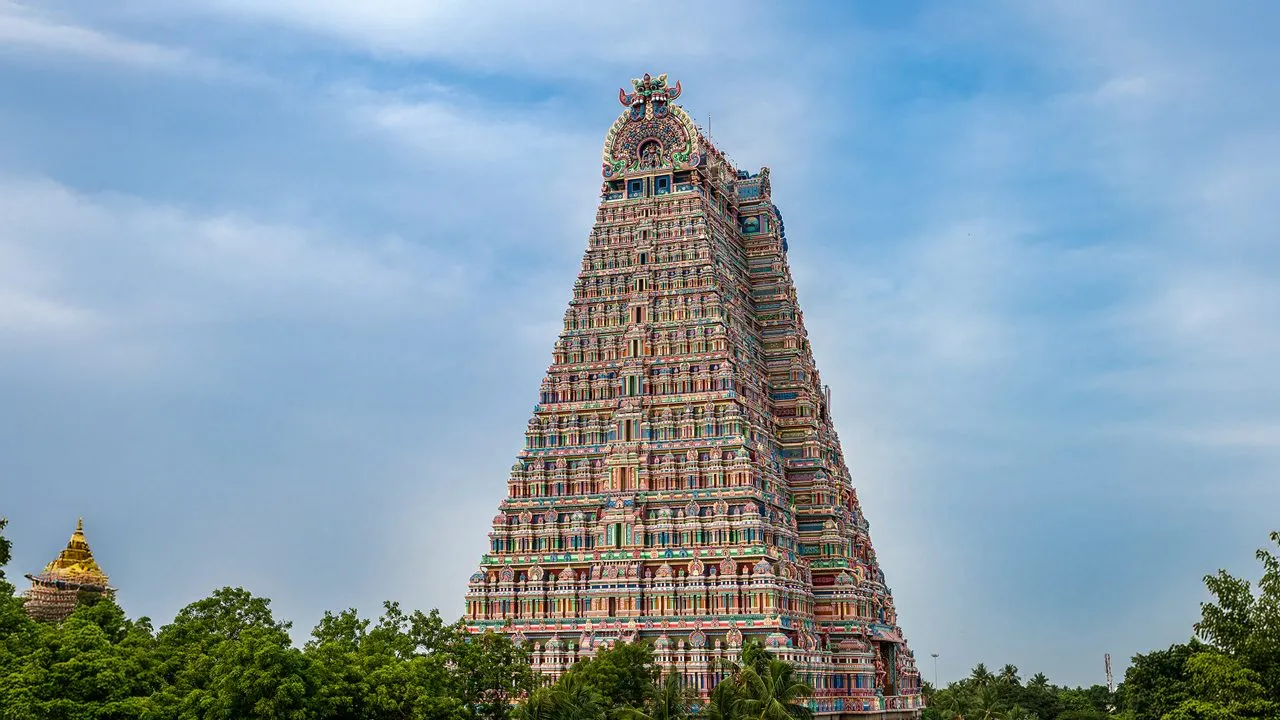
These destinations are in close proximity to Pichavaram Mangrove Forest and can be visited on the same trip.
Visit Information
Opening Hours
Entry Fee
Best Time to Visit
November to February
Location
Cuddalore District, Tamil Nadu
Contact
For inquiries: +91-4144-249426
Share this destination:
