 Translate
Sathyamangalam Reserve Forest
About Sathyamangalam Reserve Forest
Sathyamangalam Tiger Reserve: Tamil Nadu's Largest Wildlife Sanctuary, and the Forest Veerappan Once Ruled
Most tiger reserves in India sell themselves on the animal. Sathyamangalam sells itself on the comeback. This sprawling forest in Erode district, sitting at the exact point where the Western Ghats meet the Eastern Ghats, was for nearly twenty-five years the stronghold of Veerappan, India's most notorious poacher and sandalwood smuggler — a man blamed for killing roughly 184 people and slaughtering close to 2,000 elephants before he was finally gunned down in 2004. Tigers were barely sighted here during his reign. Two decades later, the same forest holds dozens of tigers, has won an international conservation award for doubling its big cat population, and stands as Tamil Nadu's largest protected wildlife area. That's the story most visitors don't expect going in, and it's a big part of what makes a safari here different from a routine wildlife park visit.
This guide covers the reserve's real history, what to expect on a safari, the wildlife you're likely to see, current entry fees and booking procedures, how to get there, where to stay, and a complete FAQ section addressing the practical questions every first-time visitor has.
Quick Facts Before You Go
- Location: Erode district, Tamil Nadu, at the junction of the Western and Eastern Ghats
- Status: Declared a wildlife sanctuary in 2008, upgraded to a tiger reserve in 2013 under Project Tiger — Tamil Nadu's fourth tiger reserve
- Size: Roughly 1,411 sq km, the largest wildlife sanctuary in Tamil Nadu
- Tiger population: Around 60–87 tigers as of recent counts, up from about 25 in 2011 — the reserve won the global TX2 award in 2022 for doubling its tiger numbers
- Distance from Coimbatore: About 70–83 km depending on the entry point
- Distance from Erode: About 60–65 km
- Timings: Generally 6:00 AM to 6:00 PM
- Entry fee: Modest per-person and per-vehicle charges apply, with separate rates for Indian nationals, foreign nationals, and students
- Best months: November to May; the reserve generally closes to safari visitors during the monsoon (roughly August through early November)
The History: From Veerappan's Hideout to a Conservation Success Story
To understand why Sathyamangalam feels different from other Indian tiger reserves, you have to understand what was happening here as recently as the early 2000s.
The Veerappan Era
For roughly a quarter of a century, the dense forests, river valleys, and caves of Sathyamangalam and the adjoining Karnataka hills served as the operating base for Koose Munisamy Veerappan, a bandit who built his criminal career on poaching elephants for ivory and smuggling sandalwood out of these protected forests. Forest officials estimate his network killed around 184 people, many of them police and forest officers who got in his way, and slaughtered close to 2,000 elephants over the course of his criminal career. Tiger sightings during this period were exceptionally rare — early-2000s surveys found little more than scat samples as indirect evidence that tigers were even present, since sustained poaching pressure had pushed the population to near-local extinction. Veerappan was finally killed in a joint Tamil Nadu–Karnataka special task force operation on October 18, 2004.
The Turnaround
Veerappan's death changed everything for this landscape. With the security threat gone, forest officials could finally resume basic protection work — foot patrolling, anti-poaching camps, and fringe security that had been functionally impossible during his reign. The results compounded over the following two decades: the Tamil Nadu government formally declared Sathyamangalam a wildlife sanctuary on November 3, 2008, then expanded and upgraded it to tiger reserve status in March 2013, making it the state's fourth tiger reserve under India's Project Tiger program. Anti-poaching infrastructure scaled up significantly, eventually reaching dozens of dedicated camps staffed by trained watchers conducting round-the-clock patrols. Tiger numbers climbed from around 25 individuals in 2011 to roughly 80 by 2018, and the reserve was awarded the prestigious global TX2 award in 2022, recognizing reserves that successfully doubled their tiger populations within a decade — a genuine conservation success story built directly on top of one of India's most violent criminal chapters.
Why the Location Matters Ecologically
Sathyamangalam isn't just large — it sits in a uniquely important geographic position. The reserve forms a critical wildlife corridor at the confluence of the Western and Eastern Ghats, directly linking several other major protected areas: Mudumalai National Park, Bandipur National Park, the Biligiriranga Swamy Temple Wildlife Sanctuary, and the Sigur Plateau. This connectivity allows tigers, elephants, and other wide-ranging species to move between reserves rather than being isolated in disconnected pockets — a major reason conservationists consider this landscape so significant for the long-term genetic health of South India's tiger and elephant populations.
The Wildlife: What You Can Actually Expect to See
Sathyamangalam's habitats range from dry deciduous and thorn forest to semi-evergreen and riparian zones along the Bhavani and Moyar rivers, and that habitat diversity supports an unusually wide range of species for a single reserve.
Key Species
- Bengal tigers: The headline species, though as with most Indian tiger reserves, sightings are a matter of patience and luck rather than a guarantee — tigers are most often spotted near riverbanks and forest clearings along the Bhavani and Moyar valleys
- Asian elephants: A major migratory population moves through this corridor, with estimates running into the hundreds to over a thousand individuals across the wider landscape
- Gaur (Indian bison), leopards, sloth bears, striped hyenas, and wild dogs
- Deer species: Spotted deer, sambar, barking deer, and four-horned antelope (chowsingha) are commonly seen
- Other mammals: Wild boar, black-naped hare, blackbuck, and civets
- Birdlife: Over 200 recorded species, including treepies, bulbuls, babblers, and the endangered white-backed vulture
Safari Options
Jeep Safari
The most popular and flexible option, offering smaller groups and the ability to cover more varied terrain within the permitted zones. Best suited to visitors specifically hoping for wildlife photography or a higher chance of spotting elusive species.
Minibus / Canter Safari
Larger group vehicles, generally with a higher seating capacity, run as a more budget-friendly and organized option — a good fit for families or larger groups traveling together.
Eco-Trekking in Buffer Zones
For visitors who'd rather walk than ride, guided treks are available along designated trails in the reserve's buffer areas, offering a slower, quieter way to experience the forest's birdlife and smaller wildlife.
Safaris typically run in the morning and evening sessions and last around three hours each. Tiger sightings are never guaranteed at any reserve in India, and Sathyamangalam, while improving rapidly, is still considered less commercialized and slightly less predictable for sightings than reserves like Mudumalai or Bandipur — which, depending on your perspective, is either a drawback or exactly the raw, less-crowded wilderness experience you're looking for.
Entry Fees, Permits, and Booking
- Permits: Required for all visitors and obtainable from forest department offices at the entry points, or through the reserve's online booking system where available
- Entry points: The reserve has multiple entry points, including Hasanur, Thalavadi, Bhavanisagar, and Kadambur
- Entry fees: Modest per-person charges apply, with different rates for Indian nationals, foreign nationals, and students, plus separate per-vehicle fees — these are revised periodically, so confirm current rates on the official Tamil Nadu Forest Department or Sathyamangalam Tiger Reserve booking portal before you travel
- Booking deadlines: The reserve periodically runs structured booking windows for specific ecotourism activities and temple visits within reserve boundaries (such as Kejahatti Aadhi Karuvannarayar Temple), with fixed cutoff dates for reservations and vehicle approvals announced shortly after — check the official portal close to your travel dates for the current schedule
- Monsoon closure: Safari bookings are generally closed during the monsoon period, roughly early August through early November, and reopen for the new season around mid-October for the following month
Getting to Sathyamangalam
From the United States
There's no way to fly directly into anywhere near Sathyamangalam from the US. The realistic route is to fly into a major Indian gateway city — Chennai or Bengaluru offer the best onward options — and then connect domestically.
- Fly into Coimbatore International Airport (CJB): The nearest airport to the reserve, roughly 70–83 km away depending on which entry point you're using, with regular domestic connections from Chennai, Bengaluru, Mumbai, and Delhi
- Alternative: fly into Bengaluru and drive, since the reserve sits along the Coimbatore–Bengaluru highway corridor via Mysuru
By Train
Erode Junction is the most convenient major railway station, about 60–65 km from the reserve, with strong connections to Chennai, Coimbatore, Bengaluru, and other major South Indian cities.
By Road
The reserve lies along NH 948 (formerly NH 209), the highway connecting Coimbatore to Bengaluru via Mysuru, making it a convenient stop if you're already driving that route. Regular buses and private taxis run from both Coimbatore and Erode, and self-drive is a comfortable option given the well-maintained highway access.
Where to Stay
Sathyamangalam's tourism infrastructure is still developing compared to more commercialized reserves, but a reasonable range of options exists:
- Forest rest houses: Run by the Tamil Nadu Forest Department, these are basic but atmospheric — options like the Dhimbam and Hasanur Forest Rest Houses are popular with researchers, birders, and budget travelers, though rooms are limited and advance booking is essential during the November–May season
- Eco-lodges and homestays: Located near Sathyamangalam town, Gobichettipalayam, and Dhimbam, these typically offer guided walks, birdwatching, and village tours alongside accommodation
- Hotels in nearby towns: For more conventional comfort, Coimbatore and Erode both offer a much wider range of hotels, with the reserve visited as a day trip or overnight add-on
Best Time to Visit
- November to May: The overall ideal period, balancing pleasant weather with the best chances of wildlife sightings, since animals concentrate more predictably around water sources as the dry season progresses
- Peak visitor months: November, December, January, March, and April see the highest visitor numbers
- Monsoon (roughly July/August–October): The forest turns lush and dramatically green, which photographers and nature lovers may appreciate, but heavy rain restricts or closes safari access and big cat sightings become considerably rarer
What to Pack and Expect
- Neutral-colored clothing (avoid bright colors and white, which can spook wildlife)
- Binoculars and a zoom lens if photography is a priority — sightings can happen at real distance
- Sun protection and plenty of water, since safari vehicles are open-air for much of the ride
- A light jacket for early-morning safaris, which can be noticeably cooler than midday
- Patience — this is genuine wilderness, not a zoo, and tiger sightings are a matter of probability, not promise
- Valid ID for permit and entry processing at the forest department checkpoint
Nearby Attractions Worth Combining
- Velliangiri Hills and the Isha Yoga Center: Within reach of a Coimbatore-based itinerary, offering a completely different — spiritual and trekking-focused — side of the region
- Moyar Valley: Scenic trekking and birdwatching spots near the reserve's southern boundary
- Mudumalai and Bandipur National Parks: Both connected to Sathyamangalam through the same wildlife corridor, making a multi-reserve wildlife circuit a realistic extension for dedicated wildlife travelers
- Regional waterfalls: Several smaller, lesser-known waterfalls dot the wider Erode and Nilgiri Biosphere region, good for a quieter add-on stop
Frequently Asked Questions
Is there an entry fee for Sathyamangalam Tiger Reserve?
Yes, modest per-person and per-vehicle fees apply, with different rates for Indian nationals, foreign nationals, and students. Exact figures are revised periodically, so check the official Tamil Nadu Forest Department or reserve booking portal close to your travel date.
What are the visiting hours?
Generally 6:00 AM to 6:00 PM daily, though safari sessions themselves run in specific morning and evening windows rather than continuously throughout the day.
Do I need a permit to enter?
Yes, a permit is required for all visitors and can be obtained at forest department offices at the entry points, or through the reserve's online booking system where available.
What is Sathyamangalam famous for, besides tigers?
Its remarkable conservation turnaround. The forest was the longtime stronghold of the bandit Veerappan, who decimated tiger and elephant populations through poaching and sandalwood smuggling for roughly twenty-five years. Since his death in 2004 and the reserve's formal protection starting in 2008, tiger numbers have climbed dramatically, culminating in a 2022 international conservation award for doubling the population within a decade.
Who was Veerappan, and is the forest safe to visit today?
Veerappan was a notorious poacher and sandalwood smuggler who operated in these forests for about twenty-five years until he was killed in a joint Tamil Nadu–Karnataka police operation in October 2004. Today, the reserve is a well-patrolled, actively managed protected area under Project Tiger, with no connection to that era beyond its history — it's safe for visitors following normal forest safari protocols.
How many tigers are in Sathyamangalam Tiger Reserve?
Estimates have varied as the population has grown, from around 25 tigers in 2011 to roughly 80 by 2018, with more recent figures suggesting numbers in a similar or slightly higher range. The reserve won the global TX2 award in 2022 specifically for doubling its tiger population within a decade.
Is a tiger sighting guaranteed on a safari?
No — as with every tiger reserve in India, sightings depend on luck, season, and time of day, not guarantees. Tigers are most often seen near riverbanks and forest clearings along the Bhavani and Moyar valleys, and dry-season safaris generally offer better odds since animals concentrate more predictably around water.
What is the best time of year to visit?
November through May is considered the ideal period, balancing comfortable weather with the best wildlife-viewing conditions. November, December, January, March, and April see the highest visitor numbers.
Is the reserve open during the monsoon?
Generally no, or with significant restrictions. Safari bookings typically close during the monsoon period, roughly from early August through early November, due to heavy rain making trails inaccessible and reducing wildlife sighting chances.
How far is Sathyamangalam from Coimbatore?
About 70–83 km, depending on which of the reserve's entry points you're heading to, generally a drive of around 1.5–2 hours.
How far is it from Erode?
About 60–65 km, making Erode a slightly closer base than Coimbatore for some travelers.
What is the nearest airport?
Coimbatore International Airport (CJB), roughly 70–83 km from the reserve depending on the entry point. Most US travelers will connect through Chennai or Bengaluru before flying domestically into Coimbatore.
What safari options are available?
Jeep safaris (the most flexible and popular option), minibus or canter safaris for larger groups, and guided eco-treks through buffer zones for visitors who prefer walking to riding.
How long does a safari last?
Safaris typically run for about three hours per session, with separate morning and evening sessions available.
What animals besides tigers can I expect to see?
Asian elephants, gaur, leopards, sloth bears, striped hyenas, several species of deer, wild boar, and over 200 recorded bird species, including the endangered white-backed vulture.
Where should I stay near the reserve?
Tamil Nadu Forest Department rest houses (such as those at Dhimbam and Hasanur) offer basic, atmospheric stays close to the forest, though rooms are limited and book up fast in season. Eco-lodges and homestays near Sathyamangalam town and Gobichettipalayam offer more comfort with guided nature activities. For a wider range of conventional hotels, Coimbatore and Erode are the better bases.
Can I combine a Sathyamangalam visit with other wildlife reserves?
Yes. Sathyamangalam forms a connected wildlife corridor with Mudumalai and Bandipur National Parks and the Biligiriranga Swamy Temple Wildlife Sanctuary, making a multi-reserve wildlife circuit a realistic option for travelers with more time.
Is Sathyamangalam good for bird watching?
Yes, with over 200 recorded bird species across its varied habitats, including treepies, bulbuls, babblers, and the endangered white-backed vulture — a strong destination for birders even on days without a tiger sighting.
What should I wear on a safari?
Neutral, muted colors rather than bright clothing or white, which can disturb wildlife. Layer for cooler early mornings, and bring sun protection for the open-air ride later in the day.
The Takeaway
Sathyamangalam isn't trying to be Mudumalai or Bandipur, and that's the point. It's rawer, less commercialized, and carries a darker, more recent history than most reserves you'll visit in South India — which makes the comeback all the more striking when you're sitting in a jeep at dawn, watching elephants move through a forest that, twenty years ago, belonged to one of the country's most violent criminals. Time your visit for the dry season, keep your expectations realistic about tiger sightings, and treat the safari as a chance to witness genuine, ongoing conservation work rather than a guaranteed wildlife show — that's exactly what Sathyamangalam delivers best.
Photo Gallery
What you'll experience
- 1
Wildlife safaris
- 2
Birdwatching
- 3
Photography
- 4
Conservation tours
Nearby Destinations
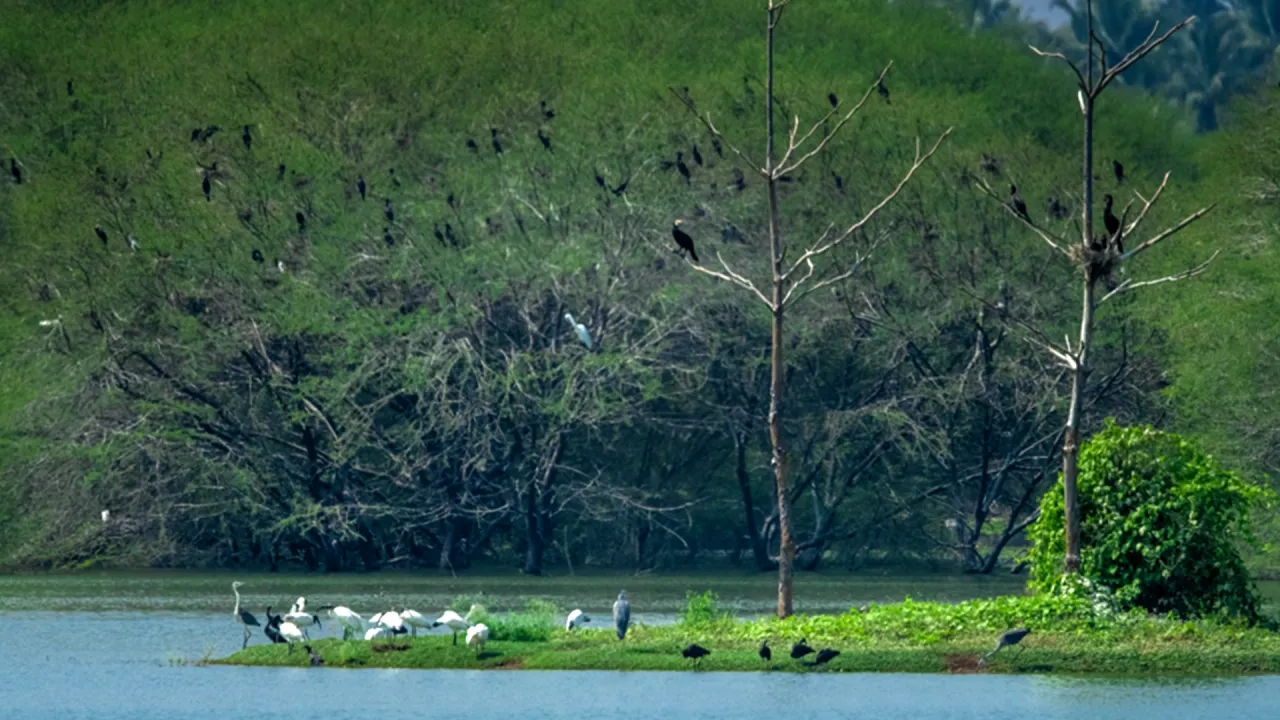
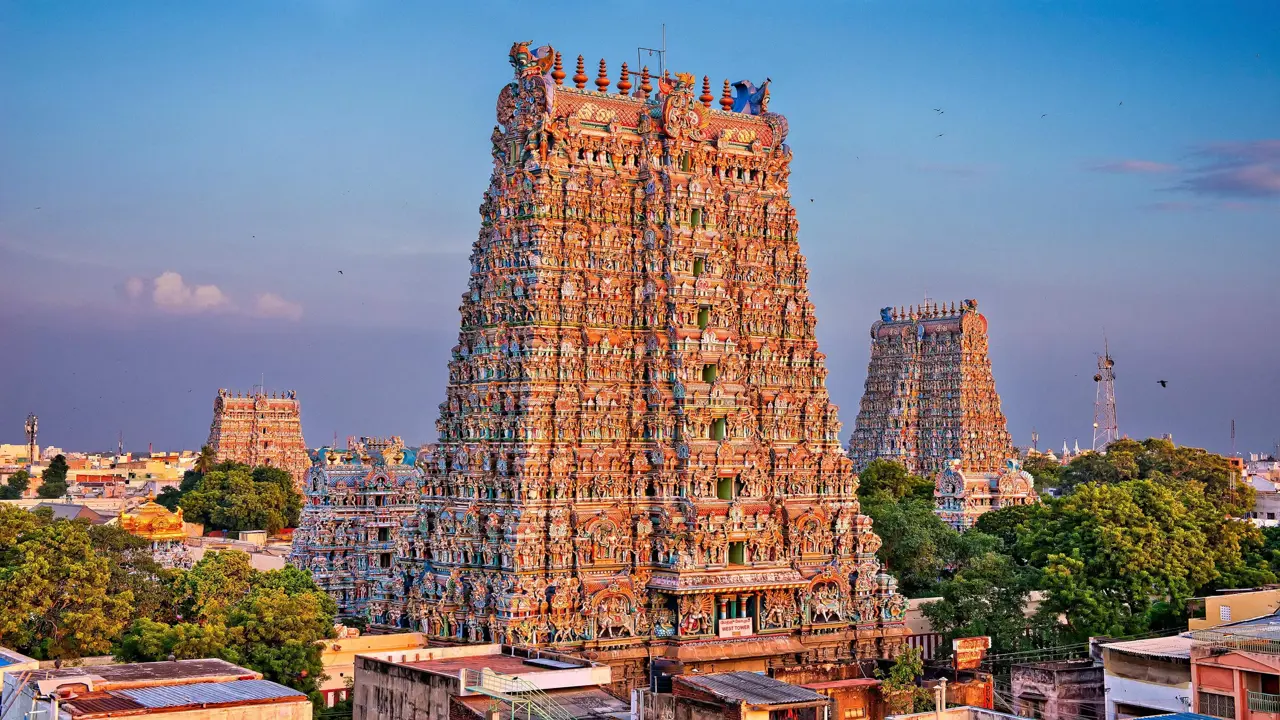
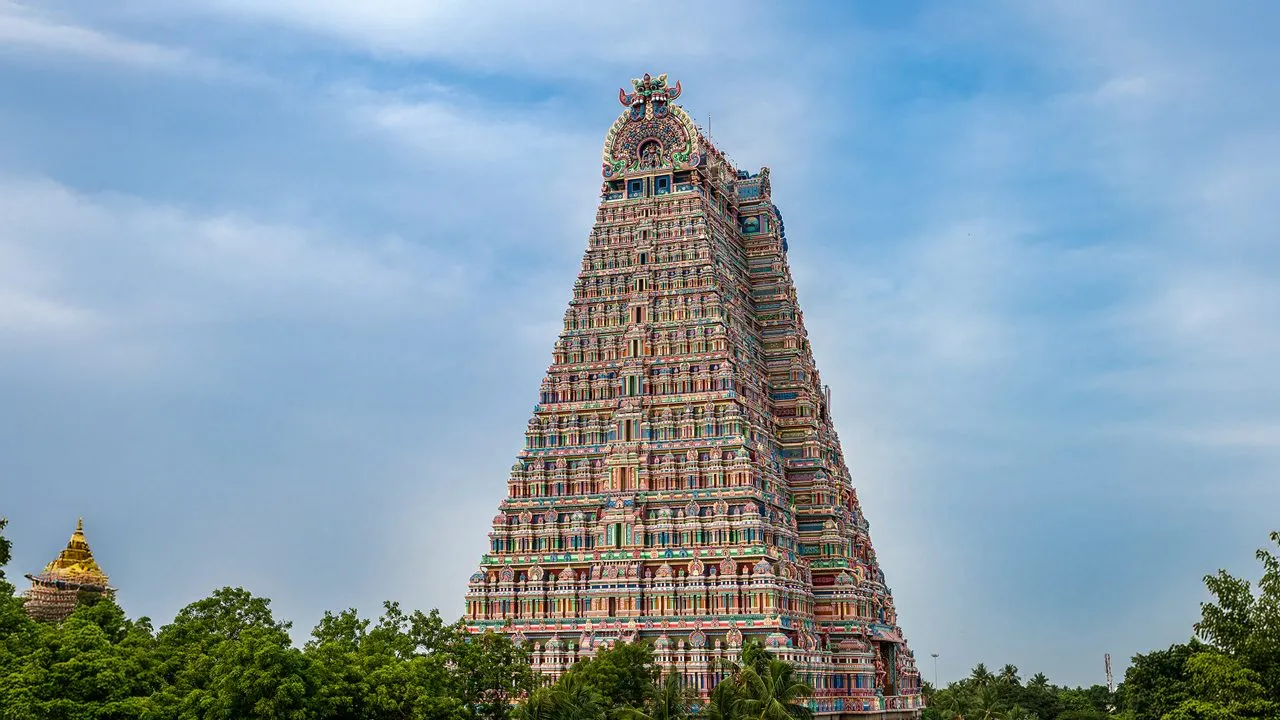
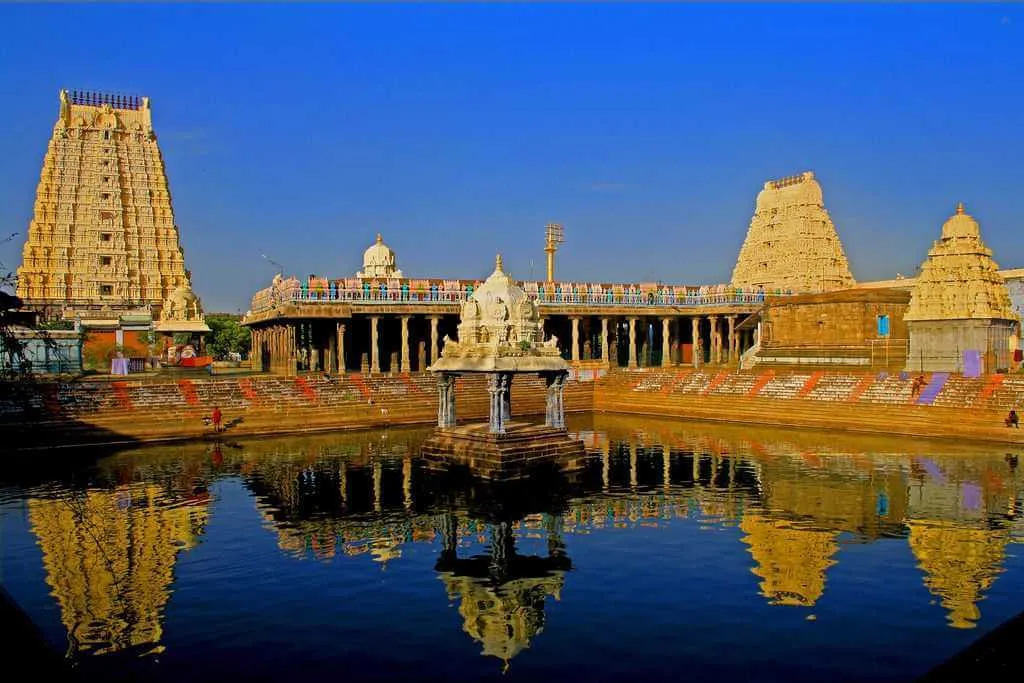
These destinations are in close proximity to Sathyamangalam Reserve Forest and can be visited on the same trip.




Visit Information
Opening Hours
Entry Fee
Best Time to Visit
November to March
Location
Erode District, Tamil Nadu
Contact
For inquiries: +91-4295-221222
Share this destination:
