 Translate
Velliangiri Hills
About Velliangiri Hills
Velliangiri Hills: Trekking the Kailash of the South Near Coimbatore
Most hill treks in Tamil Nadu offer a viewpoint, a temple, or a waterfall. Velliangiri offers a six-hour climb across seven distinct hills, ending at a Shiva shrine on a summit locals have called the South Kailash for generations — and a trekking season strict enough that the Tamil Nadu Forest Department now requires a medical fitness check before it lets you start. This is not a casual half-day outing. It's one of the most physically demanding pilgrimage treks in South India, and also one of the most rewarding, for the same reason: very little about it has been smoothed over for tourists.
This guide covers what the trek actually involves hill by hill, the spiritual significance behind it, the Isha Foundation and Adiyogi connection at the base, current 2026 season rules and safety requirements, how to get there, what to pack, and a detailed FAQ addressing the real questions trekkers ask — including the access restrictions you should know about before you plan a trip.
Quick Facts Before You Go
- Location: Western Ghats, Boluvampatti forest range, about 30–40 km from Coimbatore
- Summit elevation: Roughly 1,850–1,900 meters (around 6,000–6,250 feet) above sea level
- Trek distance: About 6.5 km one-way across seven hills
- Trek duration: Roughly 6 hours uphill, 5–6 hours downhill
- Deity: Lord Shiva, worshipped as a self-manifested (Swayambu) lingam at the seventh hill summit
- Trekking season 2026: February 1 to May 31, 2026, weather and forest department permitting
- New for 2026: Mandatory medical fitness screening before trek entry, introduced after fatalities during the previous season
- Entry fee: Free; the trek itself has no ticket cost
- Base village: Poondi, at the foothills
Why It's Called the Kailash of the South
Velliangiri's nickname isn't casual marketing — it reflects how deeply the site is woven into regional devotional tradition. Local belief holds that Lord Shiva himself visited these hills, making them a place of unusually concentrated spiritual energy, often compared directly to Mount Kailash in the Himalayas, the deity's mythological abode. At the summit, devotees venerate a Swayambu lingam — a naturally formed, not man-made, representation of Shiva — which is the central reason pilgrims undertake such a punishing climb rather than visiting a temple built at ground level.
The trek itself is structured around this symbolism. The climb across seven hills is widely described as mirroring the seven chakras of the human body, turning the physical ascent into a layered spiritual one: each hill is said to represent a stage of inner progress on the way to the summit. Whether or not a visitor holds this belief personally, it shapes how the trek is talked about, marked, and approached by the vast majority of people who make the climb.
It's worth noting plainly: there's no scriptural text that formally designates Velliangiri as a counterpart to Kailash. The association comes from long-standing local and pilgrim tradition rather than documented scripture — which doesn't make it any less meaningful to those who climb, but is useful context for visitors trying to understand where the legend comes from.
The Seven Hills: What the Climb Actually Looks Like
The trek is genuinely structured around seven distinct sections, each with a different character. Knowing what's coming makes a real difference in how you pace yourself.
1st Hill
The trek opens hard, not gently. Expect a long stretch of stone steps — commonly cited at around 1,300 steps — right from the start. This is widely regarded as the toughest single section for unprepared trekkers, simply because it arrives before your body has warmed into a rhythm.
2nd Hill (Valukuparai)
A comparative breather after the brutal opening climb — the terrain eases and the path becomes more manageable.
3rd and 4th Hills
A mix of stone steps and flatter stretches. The meadows that begin around the fourth hill are commonly mentioned as a good place to rest if you need to pause for a longer break.
5th and 6th Hills
Mostly rocky terrain. On the fifth hill, look for the Bheeman Kali Urundai — a large round boulder balanced near the hill's edge, tied to local lore about the mythological figure Bheema. These two hills end at Aandi Sunai, a small natural stream and pool where trekkers commonly refill water bottles (drawing from slightly upstream rather than the pool itself) and can take a quick dip to cool off.
7th Hill
The steepest and most demanding section of the entire trek, saved for last. This is also where pace and patience matter most — most experienced trekkers recommend slowing down deliberately here rather than pushing through fatigue. Reaching the top brings you to the Velliangiri Andavar Temple and the Swayambu lingam, the entire reason for the climb.
The Isha Foundation, Adiyogi, and Dhyanalinga
At the foothills of Velliangiri sits the Isha Yoga Center, founded by Sadhguru, which has become inseparable from how most modern visitors experience this region — even those not undertaking the full seven-hill trek.
The Adiyogi Statue
A 112-foot steel bust of Shiva as Adiyogi — the first yogi — stands at the center, symbolizing the mythological origin of yoga itself. It's become one of the most visited and photographed attractions in the wider Coimbatore region on its own, independent of the Velliangiri trek.
Dhyanalinga
Also on the Isha campus, Dhyanalinga is a meditative shrine built around the world's largest mercury-based linga, intended purely as a space for silent meditation rather than ritual worship in the conventional sense. Many visitors treat a Dhyanalinga visit as a calmer, more accessible complement to the demanding outdoor trek.
Many travelers structure their trip around both: a visit to the Isha Center and Adiyogi statue as an accessible, low-effort stop, paired with — or instead of — the full physical trek to the Velliangiri Andavar Temple at the summit, depending on fitness, time, and trekking season availability.
2026 Trekking Season: What's Different This Year
This is the single most important practical update for anyone planning a Velliangiri trek in 2026, and it changes how visitors should plan.
Following the deaths of several devotees during the previous trekking season, the Tamil Nadu Forest Department, acting under a court order, has introduced mandatory medical screening before allowing entry to the trek. Only devotees who undergo a medical examination and are confirmed physically fit by forest department officials are permitted to climb. The trekking season for 2026 runs from February 1 through May 31, with peak pilgrim volume around Maha Shivaratri in February or March.
Practical implications for visitors:
- Arrive at the trailhead with time to spare for the medical check — this is now a real step in your day, not a formality.
- Don't plan around a guaranteed start time; queues and screening can extend the wait, especially during Shivaratri.
- The trek is closed entirely outside the official season (roughly June through January), due to monsoon conditions making the trail dangerously slippery.
- Entry beyond the third hill has, in some recent seasons, been restricted further depending on weather and forest conditions — confirm the current status with forest officials or recent local news before you travel, since rules can shift within a season.
Important Access Restriction: What Visitors Should Know
One access rule at Velliangiri that prospective visitors — particularly women planning a trip — should be aware of before traveling: local trail officials at the trek entrance have long restricted women within a broad menstruating-age range from undertaking the climb, generally allowing only younger girls and women past a certain older age to trek. This is enforced informally at the trailhead by local officials and the surrounding community rather than through any official government law, and it isn't unique to Velliangiri — similar informal restrictions exist at a number of Shiva pilgrimage sites in the region rooted in traditional purity beliefs around menstruation.
There's no posted signage spelling this out in most places, and there are ongoing efforts by various groups to engage with the local community on the practice. Regardless of where any individual traveler stands on it, the practical reality is that women in the affected age range may be turned back at the trail entrance. If this could affect your travel plans, it's worth contacting the Boluvampatti forest range office or a local trekking group directly before you travel, rather than finding out at the trailhead.
Getting to Velliangiri Hills
From the United States
Coimbatore International Airport (CJB) has limited direct international connectivity, so most US travelers will route through a major Indian hub first.
- Fly into Chennai or Bengaluru from the US, since these have the best onward connections.
- Connect to Coimbatore International Airport (CJB): Frequent domestic flights run from Chennai, Bengaluru, Mumbai, and Delhi, plus a handful of international routes from the Gulf and Southeast Asia.
- From Coimbatore, it's a 30–40 km drive to the Velliangiri foothills at Poondi.
By Train
Coimbatore Junction (CBE) is the nearest major railway station, about 40 km from the hills, with strong connections to Chennai, Bengaluru, and other major South Indian cities. From the station, an auto-rickshaw or shared ride covers the remaining distance to the foothills.
By Road
Velliangiri Hills sit along the Siruvani route, roughly 30–40 km from central Coimbatore. Cars and taxis can drive up to designated checkpoints near the base — such as the area around the Venkateshwara Temple — where the actual trek on foot begins. Buses run from Gandipuram in Coimbatore to Poondi village during the trekking season, and this is the budget option most local pilgrims use.
Planning Your Trek
How Long It Takes
Budget roughly 6 hours for the ascent and 5–6 hours for the descent — call it 11–12 hours total for a round trip, not counting rest stops, the medical screening queue, or travel time to and from Coimbatore. Many pilgrims begin the climb in the evening or overnight specifically to reach the summit by early morning, avoiding the worst of the daytime heat on the lower hills.
Fitness Level Required
This is not a beginner-friendly trek. The combination of roughly 1,300 steps right at the start, several rocky and exposed sections, and a total round-trip time well over ten hours makes this a serious physical undertaking, even for people who consider themselves reasonably fit. The 2026 mandatory medical screening exists precisely because of how demanding the trek genuinely is — take that requirement seriously rather than as a formality to get past.
What to Pack
- At least 1 liter of water per person, more if trekking during the hotter months
- Light energy snacks — fruit and simple carbohydrates are commonly recommended over heavy meals
- Sturdy, non-slip trekking shoes appropriate for rocky, uneven terrain (note: some pilgrims trek the final stretch barefoot for religious reasons — this is a personal devotional choice, not a requirement)
- A torch or headlamp if attempting a night trek, which is common among pilgrims aiming for a sunrise summit arrival
- A basic first-aid kit — there are no medical facilities along the trekking route itself
- Rain protection, even in the dry season, since mountain weather can shift quickly
- A reusable container for food and snacks — plastic is strictly prohibited on the trail, and forest volunteers have had to clear thousands of plastic wrappers from the route in past seasons
Facilities Along the Way
Basic restrooms and food stalls are available at the base of the hill, often run by local tribal communities under forest department permission. Once you're on the trail itself, facilities are minimal by design — this is a forest reserve and ecologically sensitive biosphere area, not a developed tourist path, so don't expect amenities beyond the foothills.
Safety Guidelines
- Don't trek alone. Travel in a group, and let someone know your plans and expected return time.
- Stay on marked trails. The surrounding forest is home to wildlife, and wandering off-route increases risk significantly.
- Avoid trekking in bad weather or after dark without proper lighting. Steep, rocky sections become considerably more dangerous in low visibility or rain.
- Take the medical screening requirement seriously. It exists because people have died on this trek in recent years — this isn't a bureaucratic inconvenience, it's there for a real reason.
- Pace yourself, especially on the 7th hill. This final stretch is the steepest, and rushing here is where many trekkers run into trouble.
- Carry a charged phone, though expect patchy network coverage in several stretches of the trek.
- Children, elderly trekkers, and first-timers should be accompanied by experienced trekkers or guides and should be especially cautious about pacing and hydration.
Best Time to Visit
- Trekking season: Officially February 1 through May 31, weather and forest department conditions permitting — this is the only window in which the actual summit trek is possible.
- Best trekking window within the season: Late February through March generally offers the most comfortable balance of cooler temperatures and manageable trail conditions, before the heat intensifies into April and May.
- Around Maha Shivaratri (February/March): The single busiest period, with heavy pilgrim volume and longer queues — atmospheric and meaningful if you want the full devotional experience, but expect crowds.
- April–May: Trek remains open but conditions become noticeably hotter and more physically taxing, with higher dehydration risk.
- June–January: The trek to the summit is closed. This is monsoon and post-monsoon season, when trails become slippery and dangerous. Visitors during these months can still visit the Isha Yoga Center, Adiyogi statue, and Dhyanalinga at the foothills, and enjoy the cooler base-area scenery, even though the summit trek itself isn't accessible.
Building a Trip Around Velliangiri
Option 1: Foothills-Only Visit (Any Season)
- Isha Yoga Center, Adiyogi statue, and Dhyanalinga — accessible year-round, regardless of trekking season status
- Short nature walks around the foothills and viewpoints
- No fitness screening or seasonal restriction applies to this option
Option 2: Full Summit Trek (Feb–May Only)
- Day 1: Arrive in Coimbatore, rest, prepare gear, confirm current season and medical screening requirements
- Day 2: Early morning or overnight trek across all seven hills to the Velliangiri Andavar Temple summit and back
- Day 3: Rest day in Coimbatore before departure
Option 3: Pair with Nearby Coimbatore Attractions
- Siruvani Waterfalls and the Siruvani Dam reservoir, both along the same general route
- Kovai Kutralam Waterfalls, another scenic spot near Coimbatore
- General Coimbatore sightseeing and shopping, useful as a rest day before or after the trek
Frequently Asked Questions
Is there an entry fee for the Velliangiri Hills trek?
No, the trek itself is free. There's no ticket cost, though you will need to clear the mandatory medical screening introduced for the 2026 season before forest officials allow you onto the trail.
When is the trekking season in 2026?
Officially February 1 through May 31, 2026, subject to weather and Forest Department conditions. Outside this window, the summit trek is closed due to monsoon-related safety risks.
Why is medical screening required this year?
Following multiple deaths among devotees during the previous trekking season, the Tamil Nadu Forest Department introduced mandatory fitness checks, acting under a court order, to confirm that trekkers are physically capable of the climb before granting entry.
How difficult is the Velliangiri trek?
Genuinely difficult — this isn't a beginner hike. Expect roughly 1,300 stone steps right at the start, several steep and rocky sections (especially the final seventh hill), and a total round-trip time of around 11–12 hours. It's best suited to trekkers in good physical condition.
How long does the trek take?
Roughly 6 hours for the ascent and 5–6 hours for the descent, for a total of around 11–12 hours, depending on fitness level and how many breaks you take.
Is it true that women of a certain age aren't allowed to trek?
Yes, this is a real and current practice at the site, though it's an informal local restriction enforced at the trail entrance rather than an official government law. Local trail officials have generally restricted women within a broad menstruating-age range from making the climb, allowing only younger girls and older women past this range. If this could affect your plans, contact the Boluvampatti forest range office or a local trekking group ahead of your visit to confirm the current situation.
Do I need a permit to trek Velliangiri Hills?
No formal advance permit is required, but you do need to pass through the forest department's checkpoint at the trail entrance, which now includes the 2026 medical fitness screening. Entry is regulated on-site during the season rather than through advance booking.
Can I visit Velliangiri Hills outside the trekking season?
Yes, but you won't be able to do the summit trek. The Isha Yoga Center, the Adiyogi statue, and Dhyanalinga at the foothills remain accessible year-round and don't depend on the seasonal trekking window.
What is the significance of the seven hills?
According to long-standing pilgrim tradition, the seven hills are said to represent the seven chakras of the human body, turning the physical climb into a symbolic spiritual journey as well. This is a matter of devotional tradition rather than documented scripture.
Is Velliangiri connected to the Isha Foundation or Sadhguru?
The Isha Yoga Center, founded by Sadhguru, sits at the foothills of Velliangiri and includes the well-known Adiyogi statue and the Dhyanalinga meditative shrine. It's a separate destination from the Velliangiri Andavar Temple at the summit, though many visitors combine both in a single trip.
What should I wear and bring?
Sturdy, non-slip trekking shoes, comfortable layered clothing, at least a liter of water per person, light energy snacks, a basic first-aid kit, and a torch if you're trekking at night. Avoid bringing plastic packaging — it's strictly prohibited on the trail.
Is the trek suitable for children or elderly travelers?
It's generally not recommended for young children given the steep, demanding terrain. Older but physically fit and experienced trekkers can manage it with proper preparation, but anyone in either category should be accompanied by experienced companions and pace the climb carefully.
Is there water available along the trek?
There's a natural stream and pool called Aandi Sunai around the fifth and sixth hills where trekkers can refill bottles, generally drawing from slightly upstream of the pool itself. Beyond that, there are no formal water stations, so carry enough with you.
Are there medical facilities along the trekking route?
No, there are no medical facilities or support along the trail itself. This is precisely why the 2026 pre-trek medical screening and a personal first-aid kit both matter — help isn't readily available once you're on the route.
Can I trek at night?
Yes, many pilgrims trek at night specifically to reach the summit for sunrise. A reliable torch or headlamp is essential if you do this, and extra caution is warranted on the steep, rocky sections in low visibility.
What is the best time of day for photography?
Early morning for sunrise and late afternoon for sunset both offer the best light across the Western Ghats views, though midday on the trail can get crowded with pilgrims during peak season, which can complicate wide, uncluttered shots.
Is photography allowed on the trek and at the temple?
Generally yes, with no major blanket restrictions on the trekking route itself, though it's best to follow instructions from forest staff at checkpoints and check for posted signage or ask temple authorities directly near the shrine area. Drone use is not permitted without specific official authorization.
How do I get to the trek starting point from Coimbatore?
You can drive or take a taxi to designated checkpoints near the base — commonly cited near the Venkateshwara Temple — or take a bus from Gandipuram in Coimbatore to Poondi village during the trekking season. The actual walking trek begins from these base points.
What's the nearest airport for international travelers?
Coimbatore International Airport (CJB), about 30–40 km from the hills. Most US travelers will connect through Chennai, Bengaluru, or another major Indian hub before flying domestically into Coimbatore.
Is the trek worth doing if I'm not religious?
Yes — many trekkers approach it purely for the physical challenge and the Western Ghats scenery rather than for devotional reasons, and the route is open to the general public, not only practicing Hindus. That said, it's worth approaching the summit temple and the broader trail with the same respect any visitor would show at an active pilgrimage site.
The Takeaway
Velliangiri isn't a trek you do on a whim or fit in alongside three other sightseeing stops in one day. It demands real preparation — fitness, timing, gear, and now, as of the 2026 season, a medical clearance before you even start. What you get in return is a genuinely rare experience in South Indian tourism: a six-hour climb through largely undeveloped forest, a naturally formed Shiva lingam at a summit nearly 1,900 meters up, and a sense of having earned the view rather than driven up to it. If the full trek isn't realistic for your trip, the Isha Yoga Center and Adiyogi statue at the foothills are still worth the visit on their own. If you are going for the summit, respect the season dates, the screening process, and the mountain itself — and give yourself the full day the climb actually requires.
Photo Gallery
What you'll experience
- 1
Trekking
- 2
Pilgrimage
- 3
Nature exploration
- 4
Photography
- 5
Spiritual meditation
Nearby Destinations

Gedee Car Museum
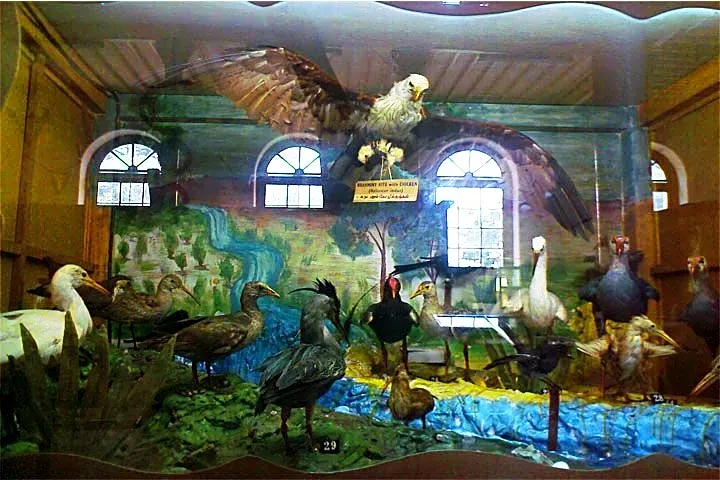
Gass Forest Museum
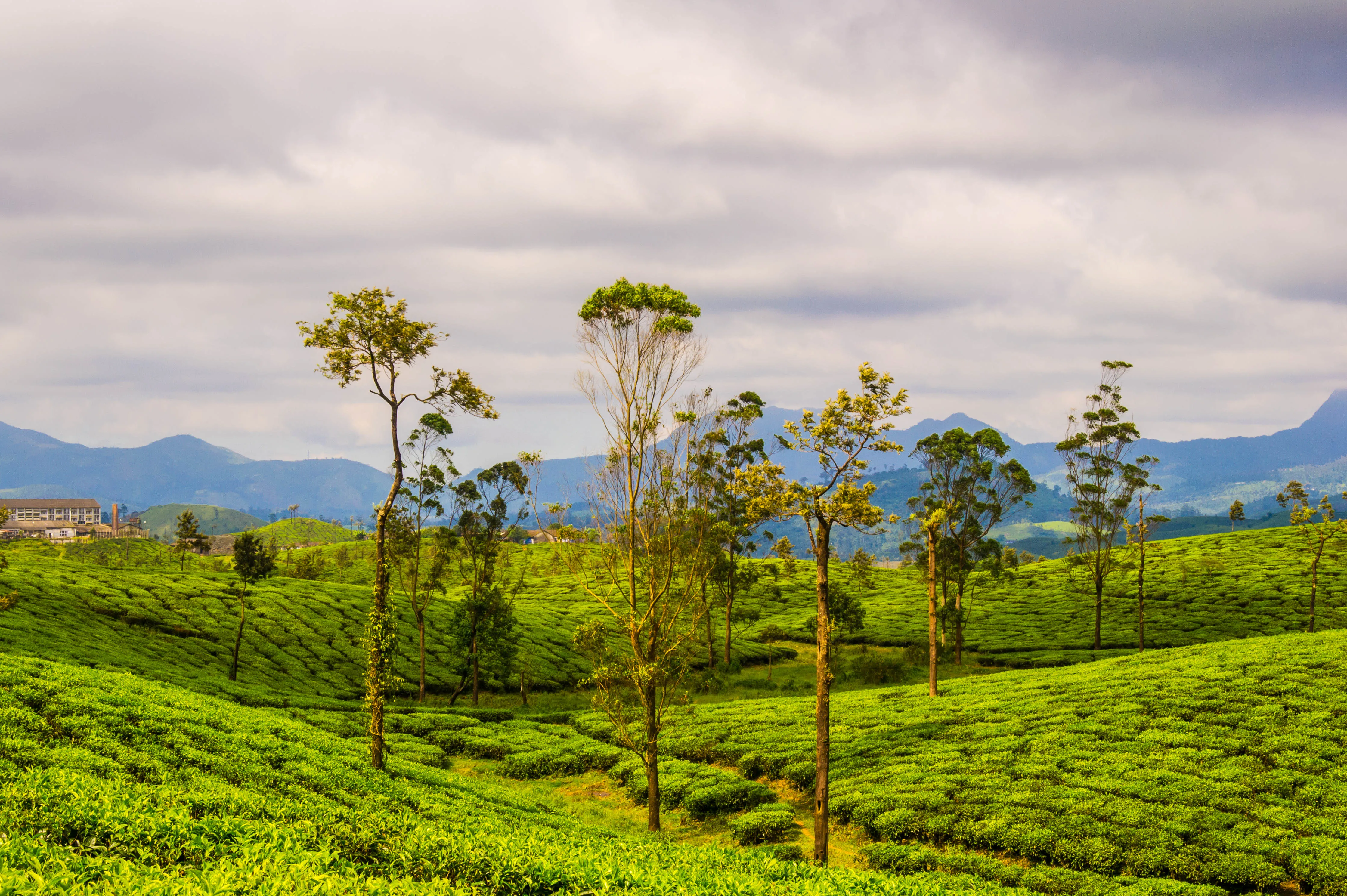
Valparai
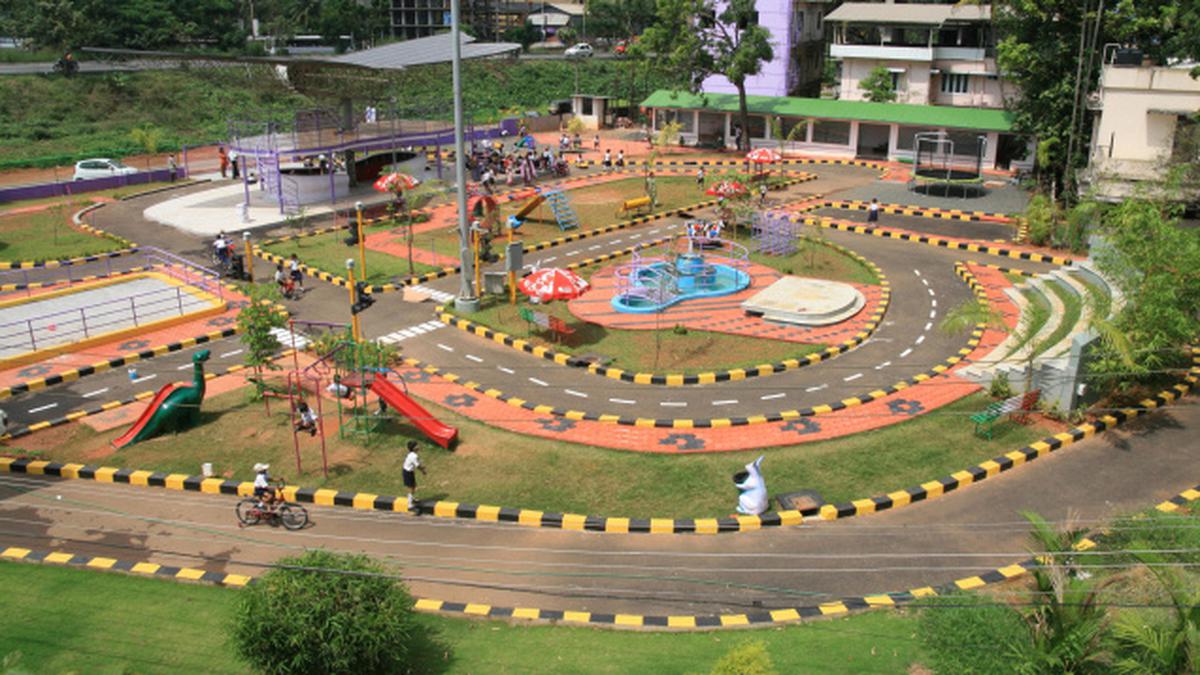
Children's Traffic Park
These destinations are in close proximity to Velliangiri Hills and can be visited on the same trip.
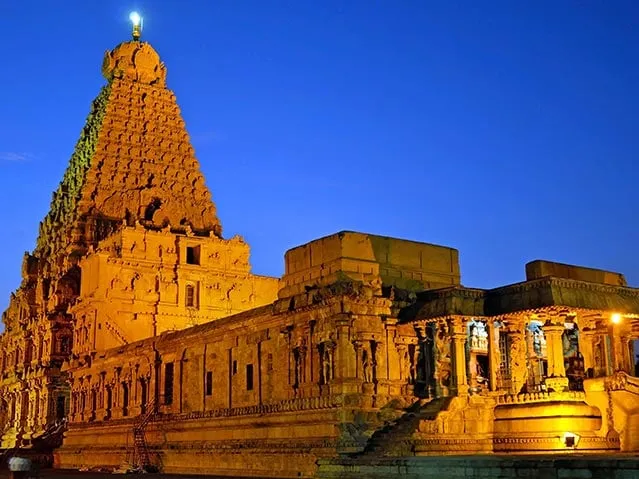
Visit Information
Opening Hours
Entry Fee
Best Time to Visit
February to May
Location
Coimbatore, Tamil Nadu
Contact
For inquiries: NA
Share this destination:
