 Translate
Vellore Fort
About Vellore Fort
Introduction: The Impregnable Granite Citadel of Vellore
Situated in the heart of Vellore city, Tamil Nadu, approximately 215 kilometers (a 4-hour drive) north of Tiruchirappalli (Trichy) and 140 kilometers west of Chennai, Vellore Fort is one of the grandest, most intact, and historically significant military fortifications in South India. Built in the 16th century AD by the Vijayanagara chieftains Chinno Bommi Nayakar and Timma Reddy Nayakar under Emperor Sadasiva Raya, the fort is renowned for its double-walled granite bastions and massive outer moat fed by the Palar River basin.
Occupied in succession by the Vijayanagara Empire, the Bijapur Sultanate, the Marathas, Hyder Ali and Tipu Sultan of Mysore, and finally the British East India Company, the fort is famously etched in national history as the site of the Vellore Sepoy Mutiny of 1806—the first large-scale armed uprising by Indian soldiers against British rule, occurring half a century before the Revolt of 1857.
Key Highlights & Architectural Marvels
Vellore Fort features granite ramparts, sacred stone carvings, and multi-era colonial history:
1. The Jalakanteswarar Temple
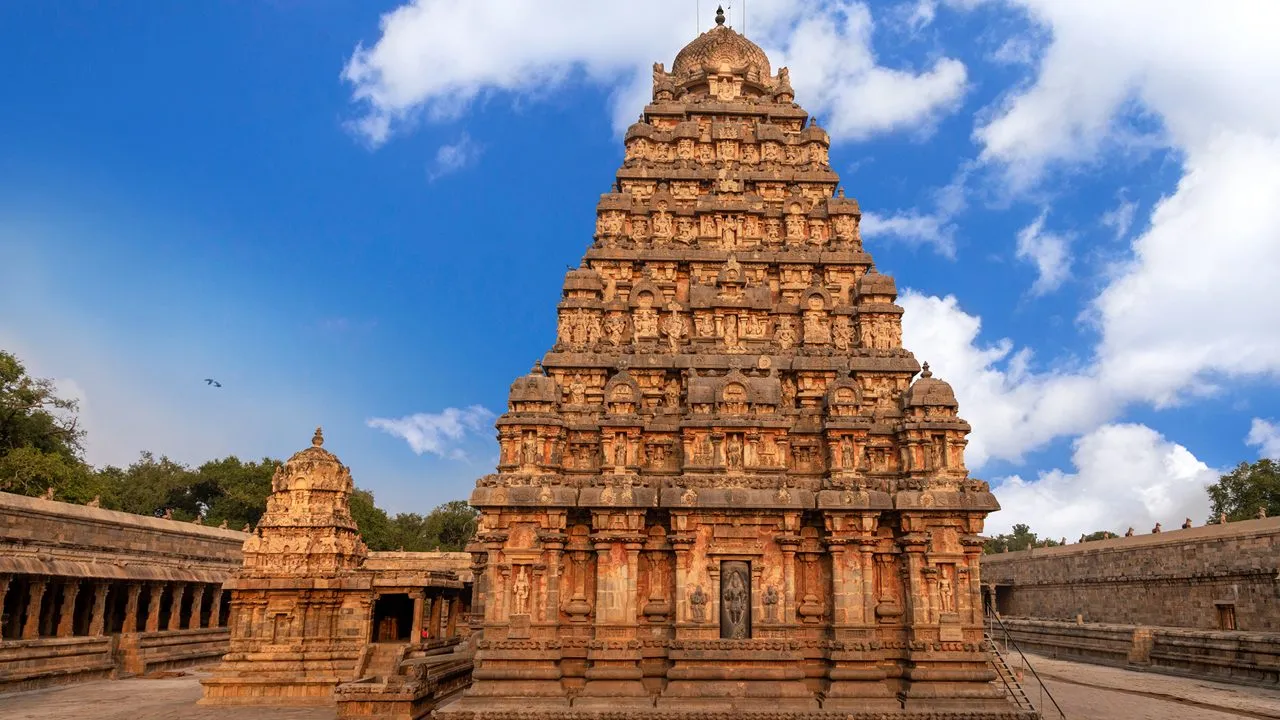
Located inside the fort compound, the 16th-century **Jalakanteswarar Temple** is a masterpiece of Vijayanagara architecture. Dedicated to Lord Shiva, it is famous for its soaring multi-tiered gopuram, intricate monolithically carved stone pillars, and a world-renowned *Kalyana Mandapam* (Marriage Hall) featuring detailed relief sculptures of divine beings, horses, and mythical Yali beasts.
2. Heavy Granite Walls & The Deep Moat
The fort is surrounded by a massive, deep moat that historically housed thousands of flesh-eating crocodiles to deter invaders. The ramparts are built using thick, perfectly fitted granite blocks without mortar, featuring wide parapets, cannon ports, and strategic watchtowers.
3. St. John's Church & Tipu Mahal Complex
Reflecting its multi-dynastic legacy, the fort enclosure contains **St. John's Church** (built by the British in 1846), the **Tipu Mahal** and **Hyder Mahal** (where Tipu Sultan's family members were detained after the fall of Srirangapatna), and the palace quarters where the last King of Sri Lanka (Sri Vikrama Rajasinha) was imprisoned.
4. Archaeological Museum of Vellore
Maintained by the State Department of Archaeology inside the fort campus, the museum displays ancient stone sculptures, prehistoric tools, bronze idols, weapons, artillery shells, and historical exhibits detailing the 1806 Sepoy Mutiny.
Key Highlights & Attraction Summary
- 16th-Century Vijayanagara Fortress: Built out of massive granite blocks with a deep surrounding moat.
- Jalakanteswarar Temple: Celebrated for its exquisite Vijayanagara stone pillars and Kalyana Mandapam.
- Site of 1806 Sepoy Mutiny: Landmark battlefield of India's earliest organized anti-colonial uprising.
- Royal Prison Heritage: Historic detention site for Tipu Sultan's family and the last King of Sri Lanka.
How to Reach Vellore Fort
Located in central Vellore along the Palar River, easily accessible via road and rail.
By Road from Trichy or Chennai (Car, Bus, or Taxi)
Driving from Trichy via the Trichy–Tiruvannamalai–Vellore route (NH 38) takes roughly 4 hours (approx. 215 km). Driving from Chennai via the Chennai–Bengaluru Highway (NH 48) takes about 2.5 to 3 hours (approx. 140 km). Frequent state transport (SETC) and express buses run continuously from **Trichy Central Bus Stand** and **Chennai CMBT** to Vellore New Bus Stand, located just 1.5 km from the fort.
By Rail
The nearest major railway station is **Katpadi Junction (KPD)** (approx. 7 km away), one of Tamil Nadu's busiest rail hubs, connecting regularly to Trichy, Chennai, Bangalore, and Madurai. Taxis, auto-rickshaws, and city buses connect Katpadi station directly to the fort gate.
Best Time to Visit
Operating hours, natural lighting, and weather conditions govern optimal planning.
Opening Hours & Entry Fees
The main fort campus grounds and Jalakanteswarar Temple are open daily from **08:00 AM to 06:00 PM** (Temple darshan closes between 12:30 PM and 04:00 PM). Entry to the fort grounds is completely **FREE** (nominal entry fees apply for the ASI Museum).
Optimal Visiting Strategy
Arrive in the early morning between **08:30 AM and 10:30 AM** or late afternoon from **03:30 PM to 05:30 PM** to walk along the outer granite walls comfortably and explore the Jalakanteswarar Temple before midday heat sets in.
Things to Do at Vellore Fort
- Inspect Jalakanteswarar Stone Carvings: Admire the monolithically carved pillars of the Kalyana Mandapam inside the temple.
- Walk the Granite Bastions: Explore the wide stone walls and view the surrounding moat.
- Explore the ASI State Museum: View ancient weapons, bronze idols, and exhibits on the 1806 Sepoy Mutiny.
- Visit Nearby Landmarks: Combine your trip with **Sri Lakshmi Narayani Golden Temple (Sripuram)**, located just 9 km away.
Essential Rules and Visitor Guidelines
- Modest Attire for Temple Entry: Traditional modest clothing covering shoulders and legs is required when entering the Jalakanteswarar Temple sanctum.
- Preserve ASI Heritage Walls: Do not touch, scratch, or deface the 400-year-old granite walls and temple carvings.
- Sun Protection: The open fort ramparts are unshaded—carry hats, sunglasses, and water bottles when visiting during midday hours.
Frequently Asked Questions (FAQs)
1. Where is Vellore Fort located?
It is located in central Vellore city, Tamil Nadu, India, about 215 km north of Trichy and 140 km west of Chennai.
2. Who built Vellore Fort and when?
It was built in the **16th century AD** by Vijayanagara chieftains **Chinno Bommi Nayakar and Timma Reddy Nayakar**.
3. What major historical event took place here in 1806?
The fort was the site of the **Vellore Sepoy Mutiny of 1806**, the first major military uprising by Indian soldiers against British rule.
4. What are the operating hours?
Open daily from **08:00 AM to 06:00 PM**.
5. How long does a visit take?
A typical visit takes **2 to 3 hours** to explore the fort grounds, Jalakanteswarar Temple, and museum.
Conclusion
Vellore Fort stands out as South India's ultimate monument of granite fortification and revolutionary history, where 16th-century Vijayanagara architecture, Jalakanteswarar stone carvings, deep moats, and the heroic 1806 Sepoy Mutiny legacy converge in Vellore. From exploring the Kalyana Mandapam to walking the historic ramparts and visiting the Sripuram Golden Temple nearby, Vellore Fort delivers an unmissable heritage journey. Plan a morning visit, explore the historic complex, and discover Vellore Fort!
Photo Gallery
What you'll experience
- 1
Historical exploration
- 2
Architectural study
- 3
Photography
- 4
Cultural insights
Nearby Destinations
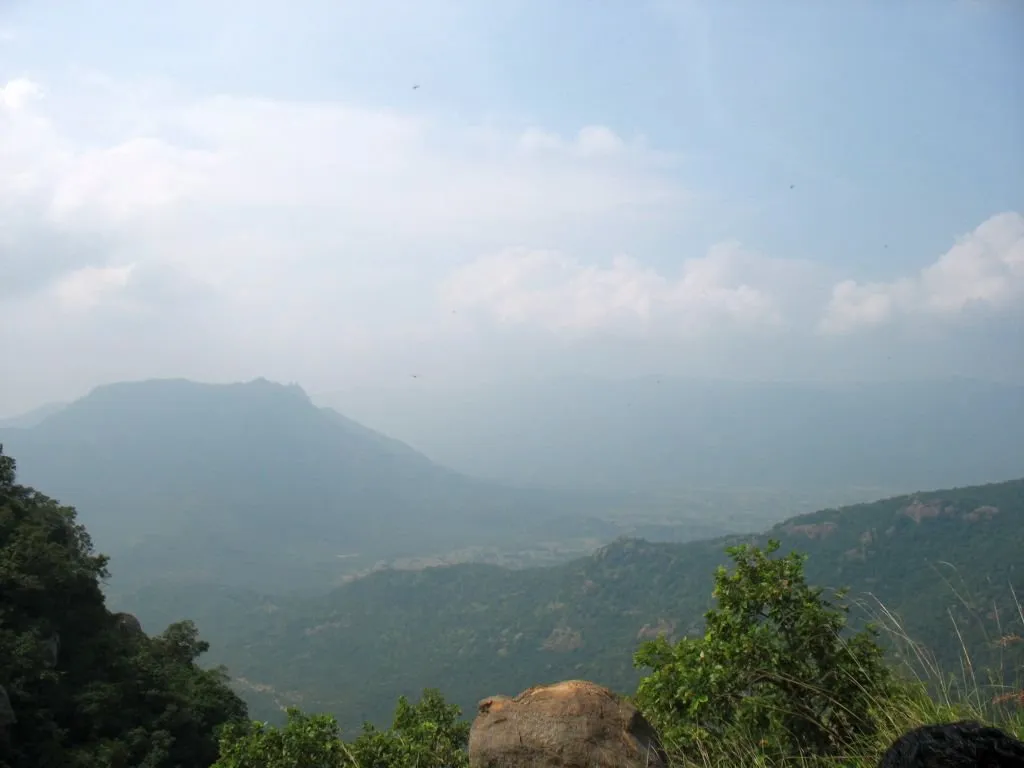
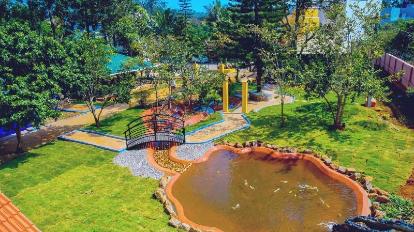
These destinations are in close proximity to Vellore Fort and can be visited on the same trip.
Related Destinations
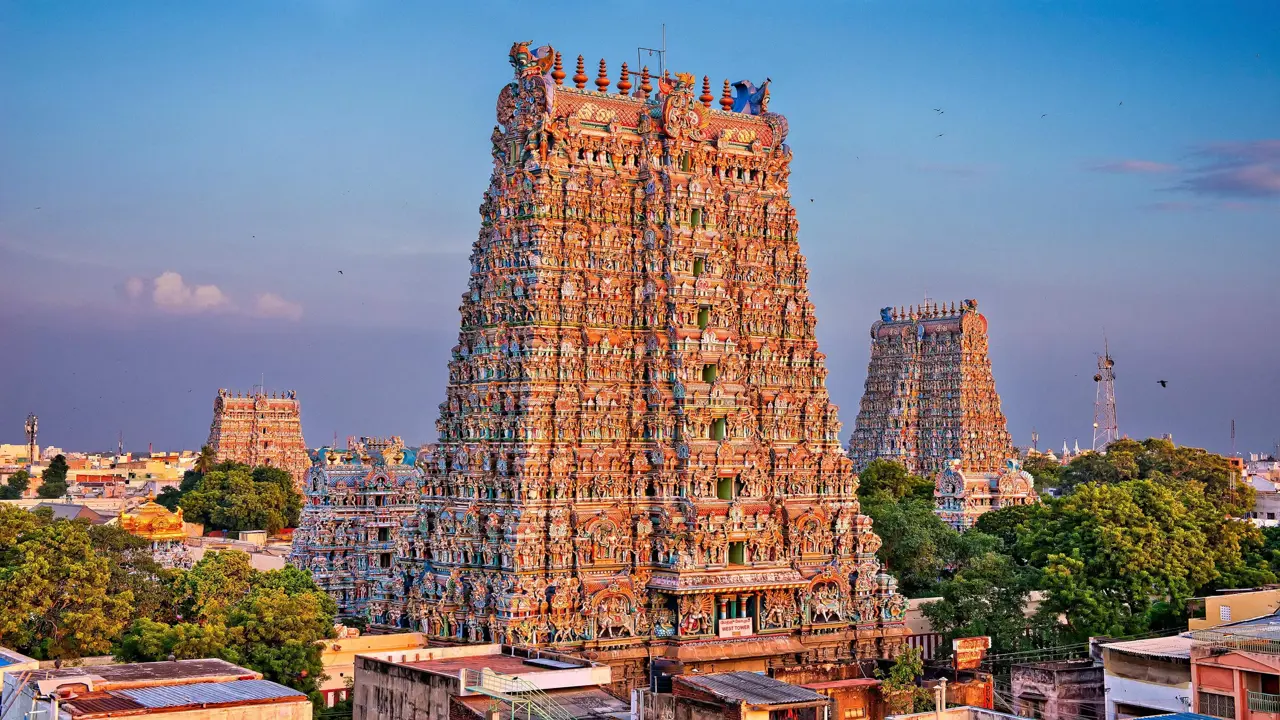
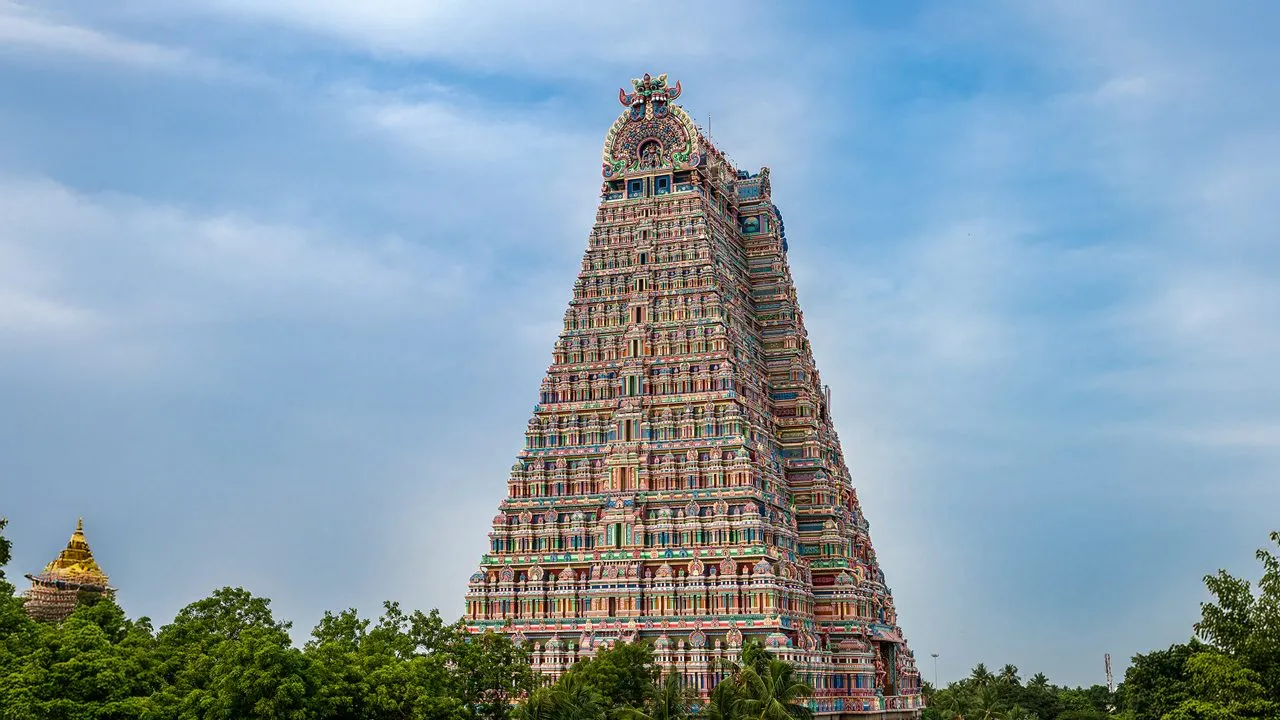
Visit Information
Opening Hours
Entry Fee
Best Time to Visit
November to February
Location
Vellore, Tamil Nadu
Contact
For inquiries: +91-416-222-2222
Share this destination:
