 Translate
Five Rathas (Pancha Rathas)
About Five Rathas (Pancha Rathas)
Introduction: The Monolithic Rock-Cut Chariots of Mahabalipuram
Situated in the coastal town of Mamallapuram (Mahabalipuram), Tamil Nadu, approximately 55 kilometers south of Chennai and 280 kilometers northeast of Tiruchirappalli (Trichy), the Five Rathas (locally known as Pancha Rathas) is an astonishing architectural complex of 7th-century monolithic rock-cut temples. Carved during the reign of Pallava King Narasimhavarman I (Mamalla, 630–668 AD), this UNESCO World Heritage monument stands as one of the earliest, most complete, and historically significant examples of Dravidian stone architecture in South Asia.
Despite being popularly named after the five Pandava brothers and their wife Draupadi from the epic Mahabharata (Dharmaraja, Bhima, Arjuna, Nakula-Sahadeva, and Draupadi), these structures have no historical association with the epic characters. Instead, each structure was carved out of a single long granite hillock to serve as architectural prototypes, showcasing five distinct designs of South Indian temple towers (*Vimana*).
Key Shrines & Architectural Highlights
The Pancha Rathas complex features five individual monolithic chariots alongside life-sized granite animal sculptures:
1. Draupadi Ratha
The smallest ratha, designed in the shape of a simple square hut with a thatched roof motif, dedicated to Goddess Durga. The inner sanctum panel features a detailed bas-relief of Goddess Durga standing on a lotus pedestal, flanked by worshipping devotees offering penance.
2. Arjuna Ratha & Life-Sized Nandi
Sharing a common raised granite platform with Draupadi Ratha, this small two-tiered square shrine features sculpted lions, sea-monsters (*Makara*), and dwarf celestial beings (*Ganas*). Directly behind Arjuna Ratha sits a majestic, partially finished monolithic **Nandi** (Lord Shiva's bull) sculpture.
3. Bhima Ratha
The largest structure in the row, characterized by a unique barrel-vaulted roof (*Gopuram* style) supported by pillared verandahs featuring rearing lion motifs. Designed as a prototype for long rectangular shrines housing reclining deities, its upper story remains unfinished.
4. Dharmaraja Ratha
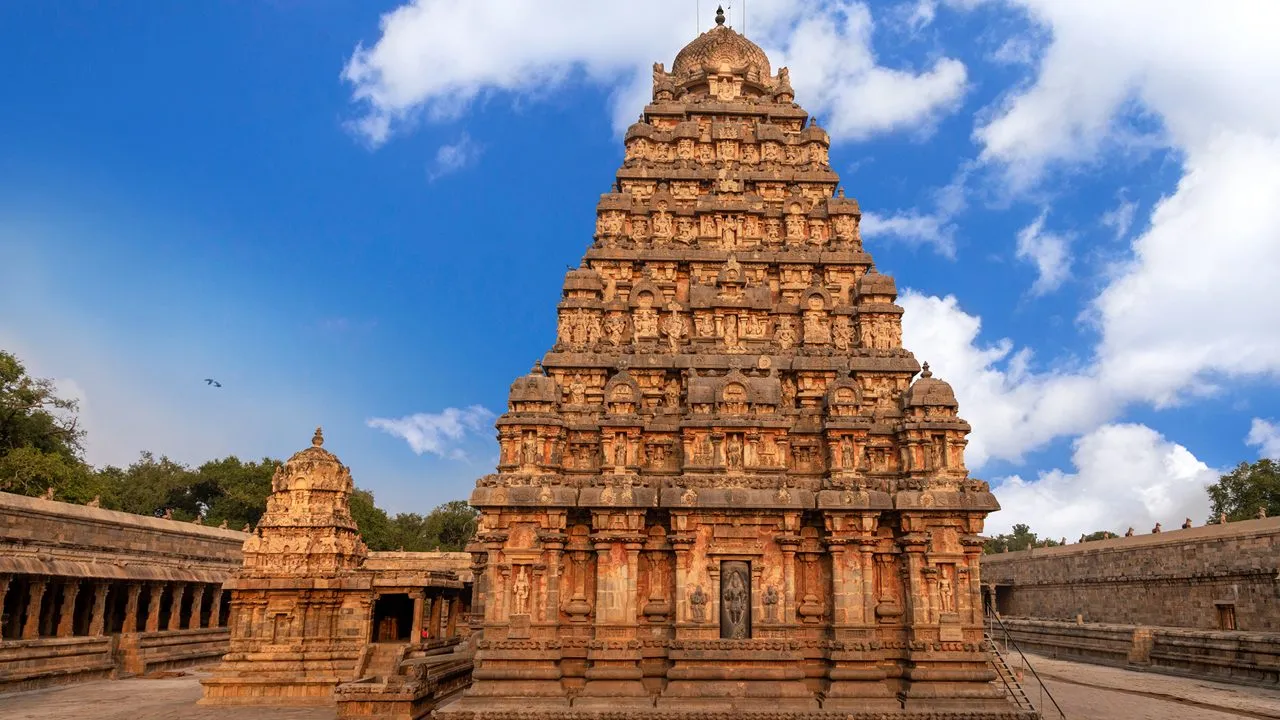
The tallest and most complete structure in the complex, rising in a soaring three-tiered pyramidal octagonal *Vimanam*. It houses intricate relief panels depicting Lord Shiva as *Harihara*, *Ardhanarishvara*, and *Bhikshatana*, alongside ancient Grantha script inscriptions bearing King Narasimhavarman I's royal titles.
5. Nakula-Sahadeva Ratha & Monolithic Elephant
Standing slightly apart facing west, this ratha is carved in an apsidal (horseshoe or elephant-back) shape (*Gajaprishta*). Directly adjacent to the shrine stands a world-famous, life-sized monolithic **Granite Elephant**, renowned for its naturalistic carving details.
Key Highlights & Attraction Summary
- UNESCO World Heritage Site: Landmark 7th-century Pallava rock-cut temple complex.
- Pure Monolithic Architecture: Each ratha chiseled out of a single solid granite outcrop from top to bottom.
- Five Architectural Prototypes: Displays hut, barrel-vaulted, apsidal, and multi-tiered pyramid roofs.
- Life-Sized Monolithic Animals: Features giant single-stone sculptures of an Elephant, Lion, and Nandi.
How to Reach Pancha Rathas
Located along the southern edge of Mahabalipuram town, easily accessible via road and rail.
By Road from Chennai or Trichy (Car, Bus, or Taxi)
Driving from Chennai via the scenic East Coast Road (ECR) takes roughly 1.5 hours (approx. 55 km). Driving from Trichy via NH 38 and ECR takes about 4.5 to 5 hours (approx. 280 km). Express buses drop passengers at **Mahabalipuram Bus Stand**, located just 1.5 km from the Pancha Rathas site.
By Rail
The nearest major railway station is **Chengalpattu Junction** (approx. 29 km away), connecting regularly to Chennai and Trichy, with taxis and local buses running continuously to Mahabalipuram.
Best Time to Visit
Operating hours, natural lighting angles, and seasonal weather govern optimal planning.
Opening Hours & Ticket Information
The UNESCO complex grounds are open daily from **06:00 AM to 06:00 PM**. Entry is covered under the single **ASI Mahabalipuram Ticket** (valid for Pancha Rathas, Shore Temple, and central hill monuments; approx. **₹40 for Indian citizens** and **₹600 for international tourists**).
Optimal Visiting Strategy
Arrive in the early morning between **06:30 AM and 08:30 AM** to explore the stone complex under soft natural sunlight before open sandy grounds heat up. Morning hours also provide clear angles for photographing the monolithic elephant and lion without tourist crowds.
Things to Do at Pancha Rathas
- Inspect Monolithic Craftsmanship: Observe how Chola and Pallava sculptors carved stone structures downward from the apex.
- Photograph the Monolithic Elephant: Capture iconic photos next to the life-sized stone elephant sculpture.
- Examine Classical Dravidian Roof Styles: Compare the barrel-vaulted Bhima roof with the apsidal Nakula-Sahadeva shrine.
- Explore Nearby UNESCO Sites: Combine your visit with **Descent of the Ganga** (Arjuna's Penance) and the coastal **Shore Temple**.
Essential Rules and Visitor Guidelines
- Preserve Monumental Art: Do not climb on, touch, scratch, or lean against the 1,300-year-old carved granite rathas and animal sculptures.
- Sun Protection: The complex grounds are exposed and sandy—carry hats, sunglasses, and water bottles when visiting during midday hours.
- Ticket Retention: Keep your digital or printed ASI ticket handy, as it is scanned at both Pancha Rathas and Shore Temple entry gates.
Frequently Asked Questions (FAQs)
1. Where is the Five Rathas (Pancha Rathas) located?
It is located in Mamallapuram (Mahabalipuram), Tamil Nadu, India, about 55 km south of Chennai.
2. Who built the Pancha Rathas and when?
It was carved during the reign of Pallava King **Narasimhavarman I (Mamalla)** in the **7th century AD**.
3. Did the Pandavas actually live or worship here?
No, the name *Pancha Rathas* was attributed by local tradition centuries later. The structures were architectural temple prototypes and were never consecrated as active places of worship.
4. What are the operating hours?
Open daily from **06:00 AM to 06:00 PM**.
5. How long does a visit take?
A typical visit takes **45 to 60 minutes** to explore all five rathas and animal sculptures, forming part of a broader 3-hour tour of Mahabalipuram.
Conclusion
Pancha Rathas (Five Rathas) stands out as South India's ultimate monument of 7th-century Pallava stone-carving genius, where monolithic granite rathas, life-sized elephant sculptures, five distinct Dravidian architectural roof styles, and UNESCO World Heritage status converge in Mahabalipuram. From inspecting top-down chisel marks on Dharmaraja Ratha to photographing the monolithic elephant, Mahabalipuram delivers an unmissable heritage journey. Visit during early morning hours, bring your camera, and explore Five Rathas Mahabalipuram!
Photo Gallery
What you'll experience
- 1
Ancient architecture
- 2
Rock-cut temples
- 3
Historical exploration
- 4
Photography
- 5
Cultural insights
Nearby Destinations
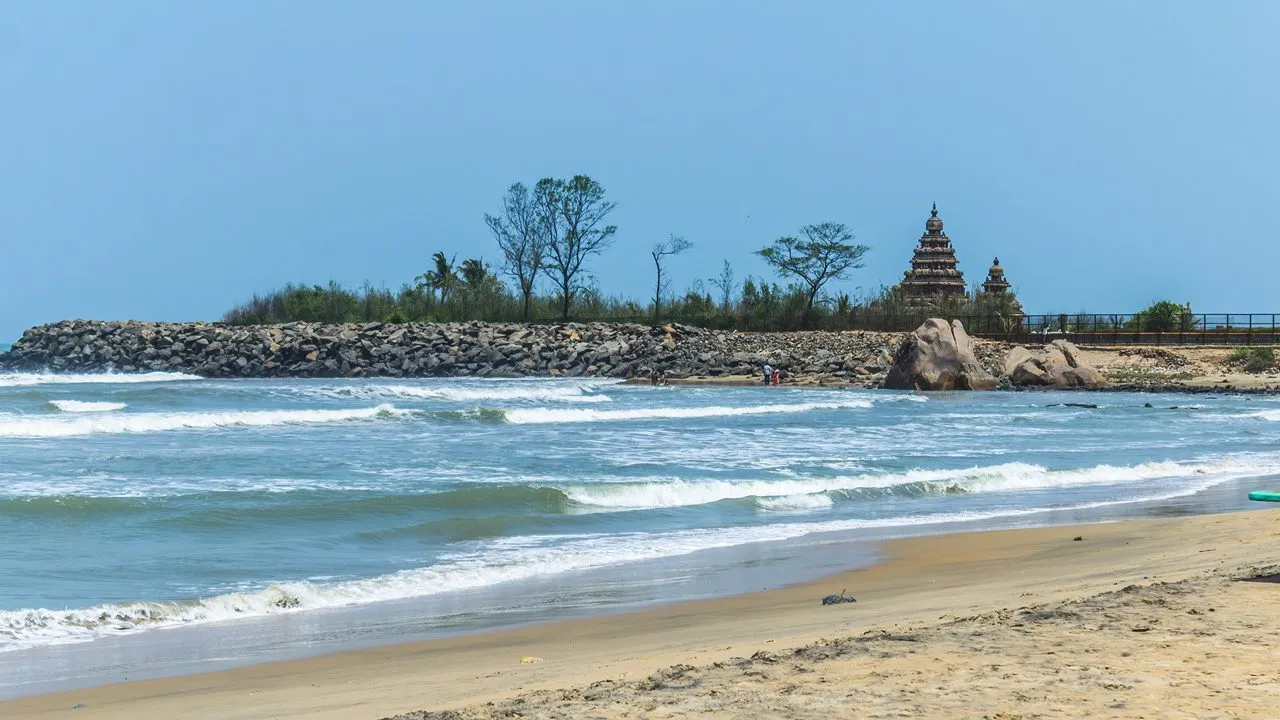
Mahabalipuram Beach
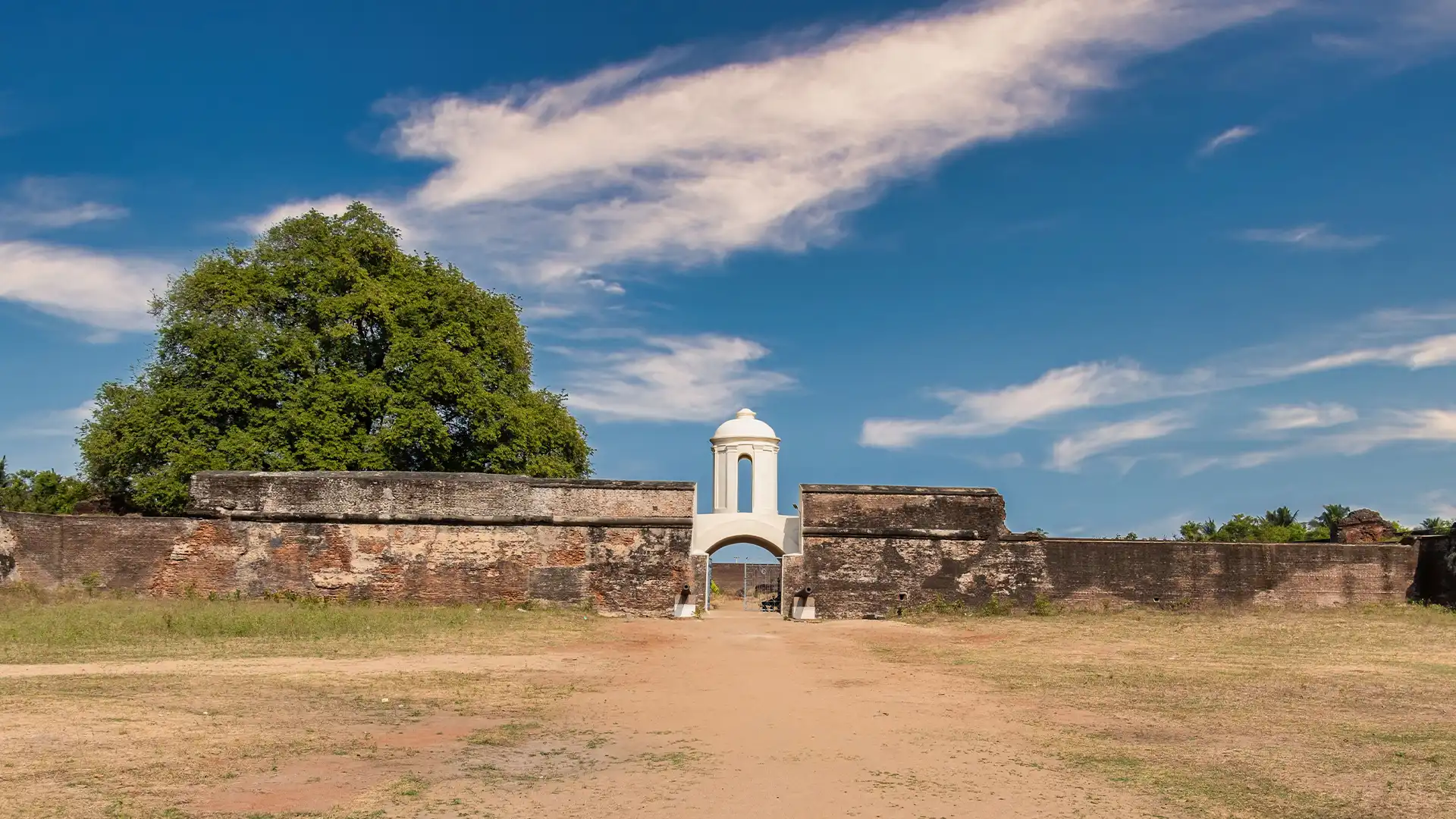
Sadras Beach Resort
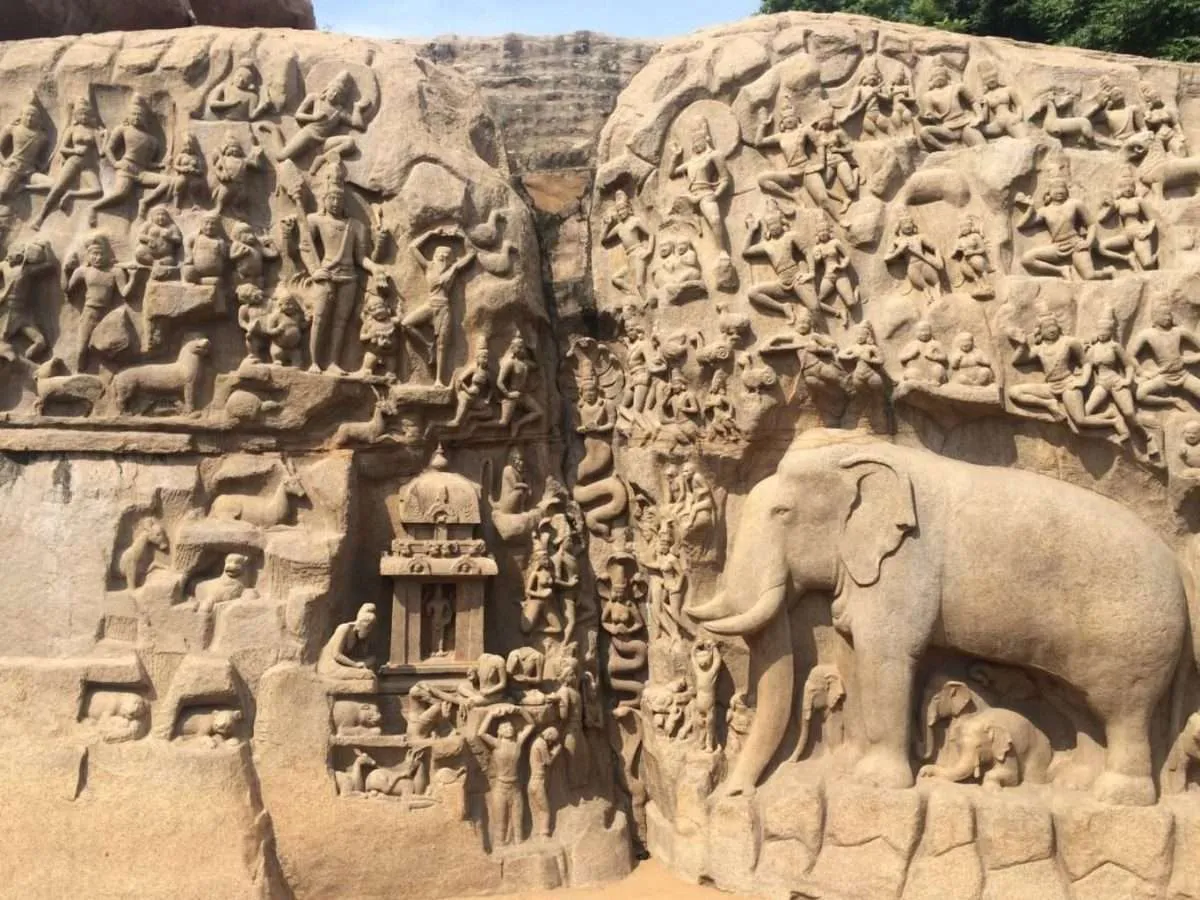
Descent of the Ganga River / Arjuna's Penance
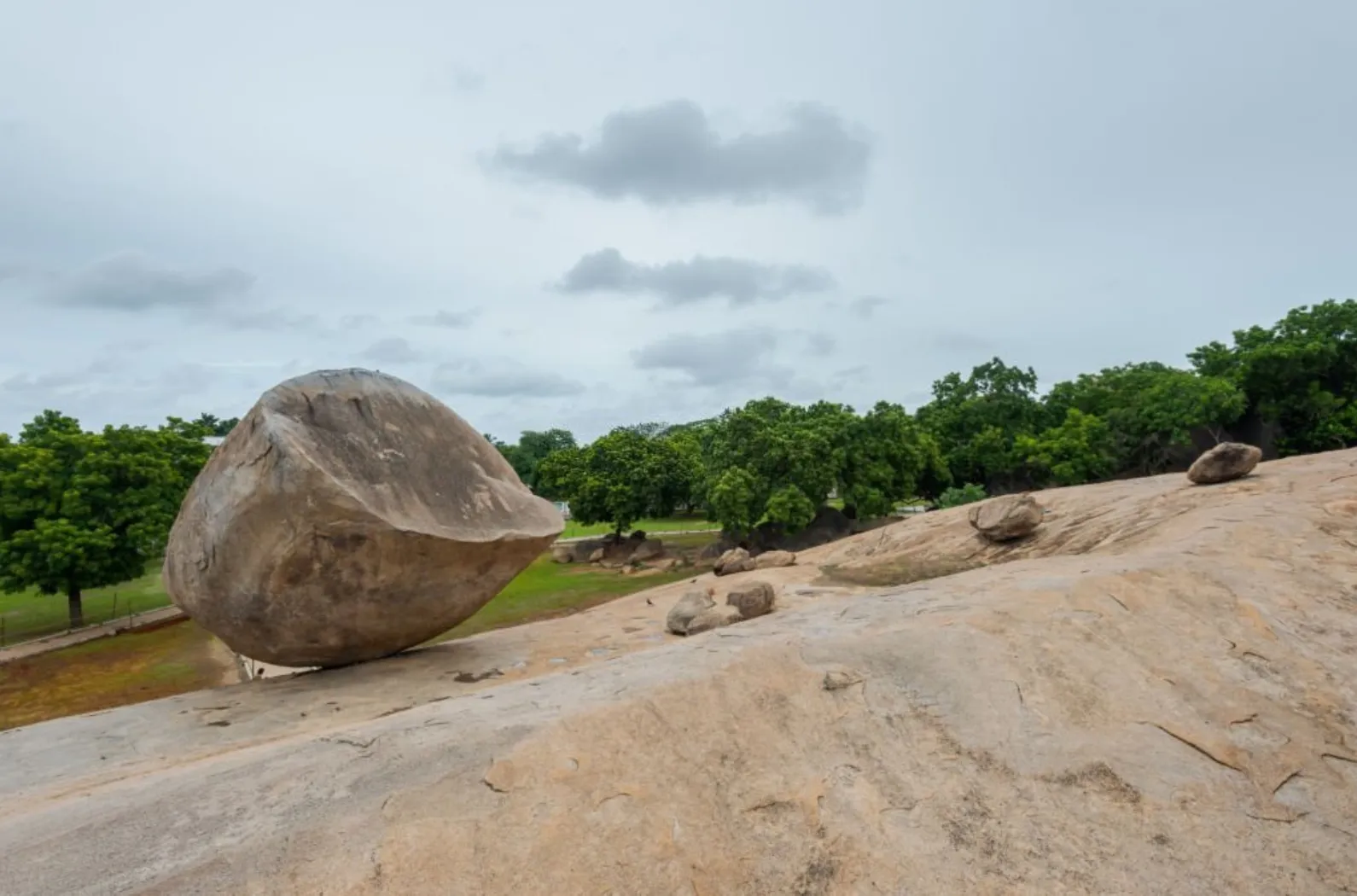
Krishna's Butter Ball
These destinations are in close proximity to Five Rathas (Pancha Rathas) and can be visited on the same trip.
Visit Information
Opening Hours
Entry Fee
Best Time to Visit
November to February
Location
Mahabalipuram, Tamil Nadu
Contact
For inquiries: +91-44-2744-2248
Share this destination:
