 Translate
Krishna's Butter Ball
About Krishna's Butter Ball
Introduction: The Gravity-Defying Wonder of Mahabalipuram
Situated on a smooth, sloping granite hillock in the historic coastal town of Mamallapuram (Mahabalipuram), Tamil Nadu, approximately 55 kilometers south of Chennai and 280 kilometers northeast of Tiruchirappalli (Trichy), Krishna's Butter Ball (originally known as Vaan Irai Kal, meaning "Stone of the Sky God") is one of the most famous, puzzling, and photographed natural geological monuments in India. Formed naturally over 1,200 years ago during the Pallava period, this massive, 250-tonne precariously balanced granite boulder measures roughly 6 meters (20 feet) in height and 5 meters in width, resting precariously on a 45-degree slick rock slope.
Despite standing on an incline with a tiny surface contact area of less than two feet, the boulder has remained completely motionless for over a millennium, defying gravity, natural erosion, and severe cyclones. Part of the UNESCO World Heritage Site monuments complex at Mahabalipuram, it attracts millions of curious travelers, scientists, and photography enthusiasts from around the globe.
Key Highlights & Historical Legends
Krishna's Butter Ball features ancient legends, royal attempts to move the stone, and unique photo opportunities:
1. The Myth of Lord Krishna's Butter (Vaan Irai Kal)
According to popular Hindu mythology, the boulder represents a giant dollop of butter (*Navaneetha*) stolen and dropped by the child Lord Krishna from the heavens. Its mythic origin earned it the popular English name "Krishna's Butter Ball" during the British colonial era.
2. Royal Attempts to Move the Boulder
Historical records document multiple failed attempts to dislodge the giant stone. In the 7th century AD, Pallava King **Narasimhavarman I** attempted to move the boulder to protect it from falling, but his army's sculptors could not budge it. Later in 1908, the Governor of Madras, **Lord Arthur Havelock**, deployed seven powerful royal war elephants attached to heavy ropes in an effort to pull the boulder down for public safety—yet the stone did not move an inch.
3. Natural Friction & Center of Gravity Miracle
From a scientific standpoint, the boulder's stability is attributed to a perfect equilibrium of its center of gravity and natural frictional force against the granite hill face. The back of the boulder is naturally cleaved flat, creating an aerodynamic and weighted balance that prevents it from rolling down the slope.
4. Surrounding Granite Hillock & Caves
The boulder sits within a leafy, elevated rock park surrounded by ancient Pallava monuments, including the **Ganesha Ratha**, **Varaha Cave Temple**, **Ramanuja Mandapam**, and the **Rayar Gopuram** lookout point.
Key Highlights & Attraction Summary
- Gravity-Defying Boulder: 250-tonne, 20-foot granite rock balanced precariously on a 45-degree slope.
- UNESCO World Heritage Site: Landmark natural monument within the main Mahabalipuram hill park.
- Failed Elephant Siege of 1908: Legendary attempt by 7 war elephants that failed to budge the stone.
- Iconic Photography Spot: Famous worldwide for creative perspective photographs pretending to hold or push the rock.
How to Reach Krishna's Butter Ball
Located inside the central hill monument park of Mahabalipuram, easily accessible via road and rail.
By Road from Chennai or Trichy (Car, Bus, or Taxi)
Driving from Chennai via the scenic East Coast Road (ECR) takes roughly 1.5 hours (approx. 55 km). Driving from Trichy via NH 38 and ECR takes about 4.5 to 5 hours (approx. 280 km). Express buses drop passengers at **Mahabalipuram Bus Stand**, located just 600 meters from the hill park entrance.
By Rail
The nearest major railway station is **Chengalpattu Junction** (approx. 29 km away), connecting regularly to Chennai and Trichy, with taxis and local buses running continuously to Mahabalipuram.
Best Time to Visit
Operating hours, natural lighting angles, and weather conditions govern optimal planning.
Opening Hours & Ticket Information
The central hill monument park is open daily from **06:00 AM to 06:00 PM**. Entry to the park is covered under the single **ASI Mahabalipuram Ticket** (valid for Krishna's Butter Ball, Descent of the Ganga, Pancha Rathas, and Shore Temple).
Optimal Visiting Strategy
Arrive in the early morning between **06:30 AM and 08:30 AM** to explore the open hillock before midday heat sets in on the granite rocks and to take fun perspective photos without long queue delays.
Things to Do at Krishna's Butter Ball
- Take Creative Perspective Photos: Pose beneath or beside the slope to create classic perspective photos holding up the boulder.
- Explore Surrounding Cave Temples: Walk across the granite hill park to visit **Varaha Cave Temple** and **Ganesha Ratha**.
- Climb to Rayar Gopuram: Enjoy panoramic views over Mahabalipuram town and the coastline from the uncompleted temple tower.
- Combine with Nearby UNESCO Sites: Pair your visit with **Descent of the Ganga** (Arjuna's Penance), **Pancha Rathas**, and the seaside **Shore Temple**.
Essential Rules and Visitor Guidelines
- Do Not Climb onto the Boulder: Climbing onto or hanging from the top of the boulder is strictly prohibited by ASI security personnel for public safety.
- Careful Walking on Sloped Granite: The surrounding smooth rock slope can be slippery—wear comfortable walking shoes with good traction.
- Preserve Monumental Grounds: Dispose of food wrappers and plastic water bottles in designated trash bins across the hill park.
Frequently Asked Questions (FAQs)
1. Where is Krishna's Butter Ball located?
It is located inside the main hill monument park in Mamallapuram (Mahabalipuram), Tamil Nadu, India, about 55 km south of Chennai.
2. How heavy is Krishna's Butter Ball?
The granite boulder weighs approximately **250 tonnes** and stands about 6 meters (20 feet) tall.
3. Why doesn't the boulder roll down the hill?
Its stability is due to a natural flat cleavage on its back face and a perfect balance of its center of gravity against the frictional resistance of the granite slope.
4. What are the operating hours?
Open daily from **06:00 AM to 06:00 PM**.
5. How long does a visit take?
A typical visit takes **30 to 45 minutes** at the boulder itself, forming part of a broader 2 to 3-hour exploration of the central hill park.
Conclusion
Krishna's Butter Ball stands out as South India's ultimate natural geological wonder and UNESCO monument, where 1,200-year-old Pallava folklore, 250-tonne gravity-defying equilibrium, failed elephant sieges, and iconic perspective photography converge in Mahabalipuram. From taking photos under the boulder to exploring surrounding rock-cut cave temples, Mahabalipuram delivers an unmissable heritage journey. Visit during early morning hours, bring your camera, and explore Krishna's Butter Ball Mahabalipuram!
Photo Gallery
What you'll experience
- 1
Photography
- 2
Curious rock formations
- 3
Nature walk
- 4
Local legends
Nearby Destinations
Mahabalipuram Beach
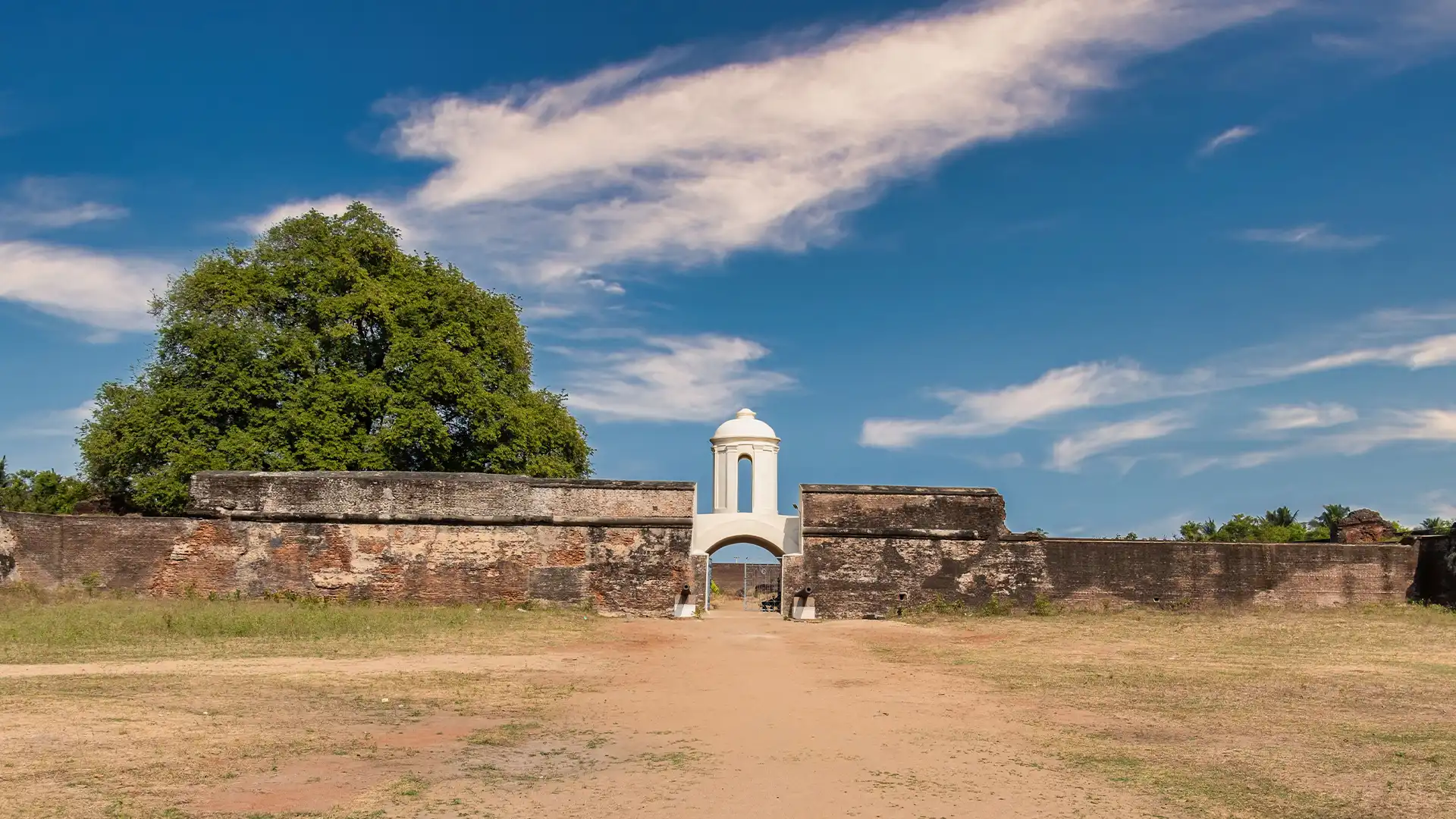
Sadras Beach Resort
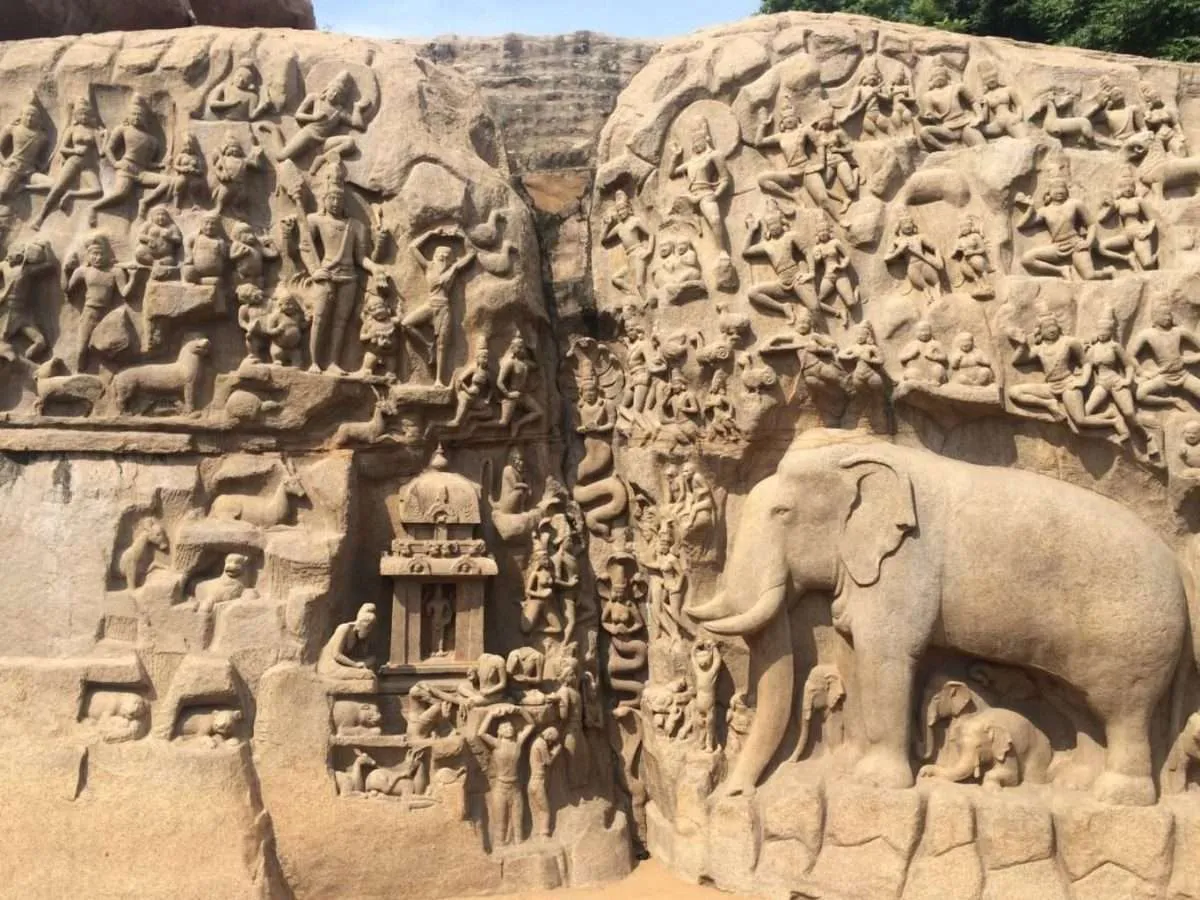
Descent of the Ganga River / Arjuna's Penance
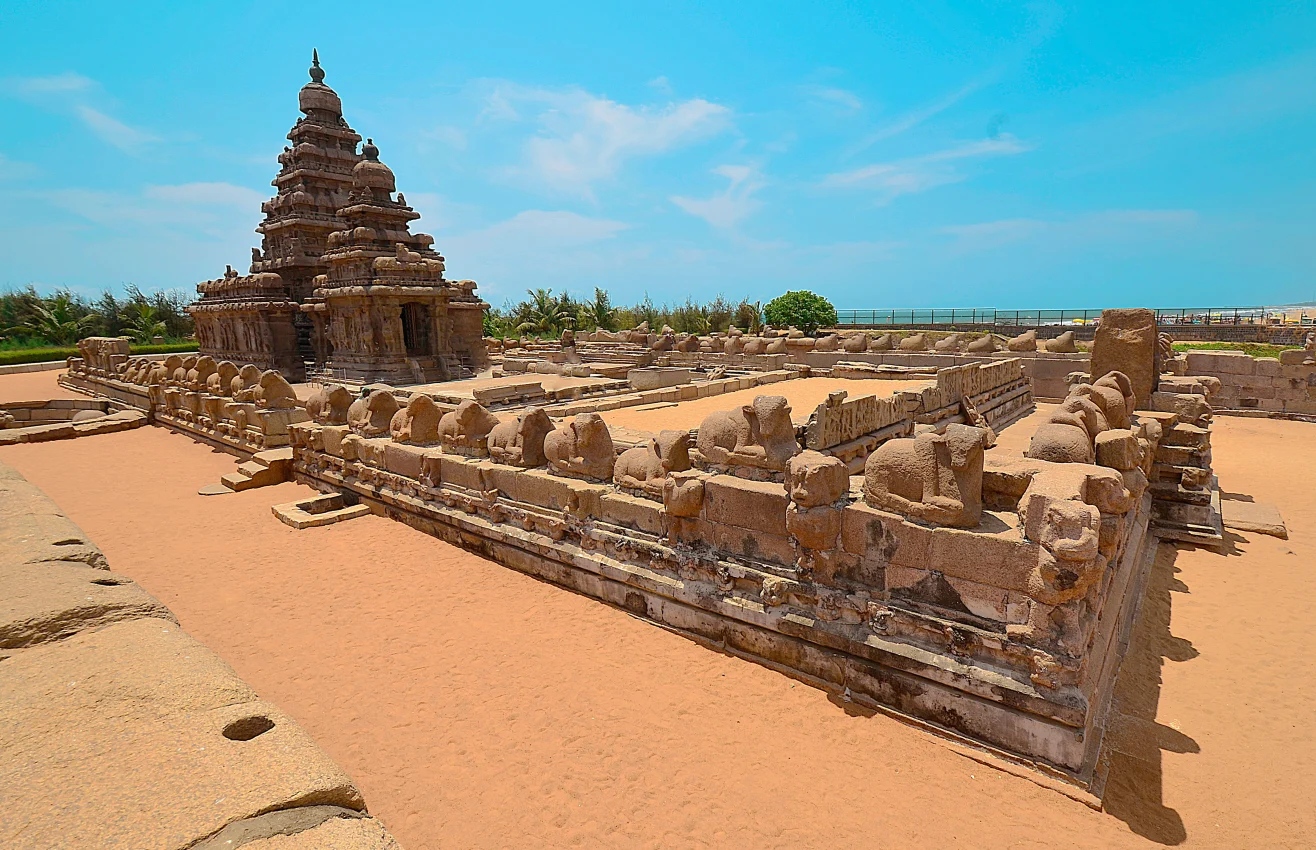
Five Rathas (Pancha Rathas)
These destinations are in close proximity to Krishna's Butter Ball and can be visited on the same trip.
Related Destinations
Visit Information
Opening Hours
Entry Fee
Best Time to Visit
October to February
Location
Mahabalipuram, Tamil Nadu
Contact
For inquiries: NA
Share this destination:
